Summary: Cold weather doesn’t have to mean suffering through aches and stiffness. By understanding why muscles and joints tighten in the cold and incorporating heat therapy into your routine, you can ease discomfort and enjoy a healthier, more comfortable winter.
As temperatures drop and remain low for extended periods, cold weather muscle performance becomes a real concern for many people. Joints feel stiffer, muscles feel tighter, and everyday movements suddenly require more effort. For individuals managing arthritis, prior joint injuries, or chronic pain, winter discomfort can be particularly troublesome, preventing them from staying active and significantly affecting their quality of life.
But why does the cold seem to make our joints and muscles hurt more, and what can you do to stay comfortable? Understanding what’s happening inside the body and how to prevent cold-weather discomfort can make a huge difference in staying healthy, active, and pain-free all winter long.
What Happens to the Muscles and Joints When Temperatures Drop?
When the weather turns chilly, the body works harder to maintain its core temperature. One way it does this is by constricting blood vessels near the skin’s surface to conserve heat, a process called vasoconstriction.
While effective for temperature regulation, this response reduces blood flow to muscles and joints. With less oxygen and fewer nutrients reaching these tissues, muscles lose elasticity and joints become less lubricated. The result is stiffness, tension, and increased sensitivity, particularly in the hands, knees, feet, hips, and spine. According to research published in the American Journal of Medicine, there is a slight increase in joint pain for every 10-degree drop in temperature, with barometric pressure changes also linked to increased joint pain in individuals with osteoarthritis and rheumatoid arthritis.
Here are some key reasons why muscles tighten during cold weather:
- Reduced circulation: Cold temperatures cause blood vessels to constrict, limiting blood flow to muscles. This reduces warmth and tissue elasticity, making muscles feel tight and stiff, and can also slow recovery from injuries.
- Decreased joint lubrication: The synovial fluid that cushions and lubricates joints becomes more viscous in lower temperatures, leading to stiffness and reduced mobility.
- Slower nerve signaling: Cold temperatures can slow nerve transmission, affecting coordination and reaction time and making awkward or strained movements more likely.
- Protective muscle guarding: To conserve heat and protect vital organs, the body instinctively tenses muscles, resulting in ongoing stiffness and soreness.
- Less movement in winter: Shorter days and colder temperatures contribute to lower physical activity levels for most people. About 60% of Americans report exercising less during colder months, with some studies showing activity levels drop by up to 30%. Over time, reduced activity leads to deconditioning, weakened muscles, and stiffer joints, all of which worsen pain.
How Does Cold Weather Increase Injury Risk?
Cold, stiff tissues are less capable of absorbing force or stretching under load. Without adequate warmth and flexibility, even routine movements can place excessive strain on muscles and tendons.
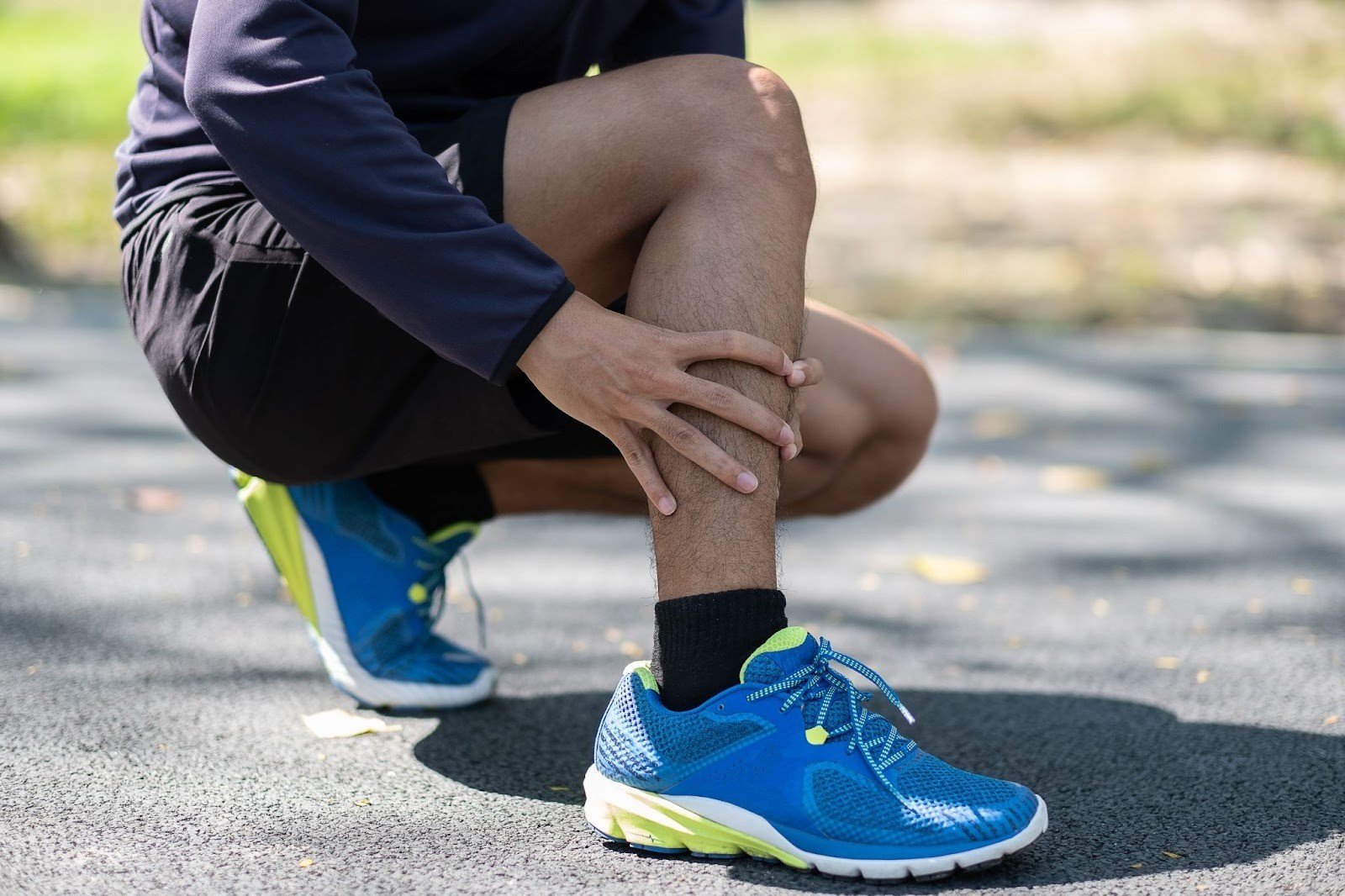
Common cold-weather injuries include muscle strains (particularly in the hamstrings, calves, lower back, and shoulders), ligament sprains around the knees and ankles, tendon irritation, and arthritis flare-ups linked to reduced joint mobility.
For people participating in winter sports or intense physical activity, cold, oxygen-deprived muscles are far more likely to overstretch or tear when pushed to their limits. Even everyday tasks like shoveling snow, lifting groceries, or standing for long periods can trigger discomfort or injury if the muscles are not adequately warmed up.
So, besides keeping warm, warming up properly, and staying active, how else can you treat those cold, tight, and sore muscles?
Finding Relief from Winter Pain With Heat Therapy
Heat therapy remains one of the most accessible and evidence-supported approaches for addressing seasonal stiffness and reduced mobility when used correctly.
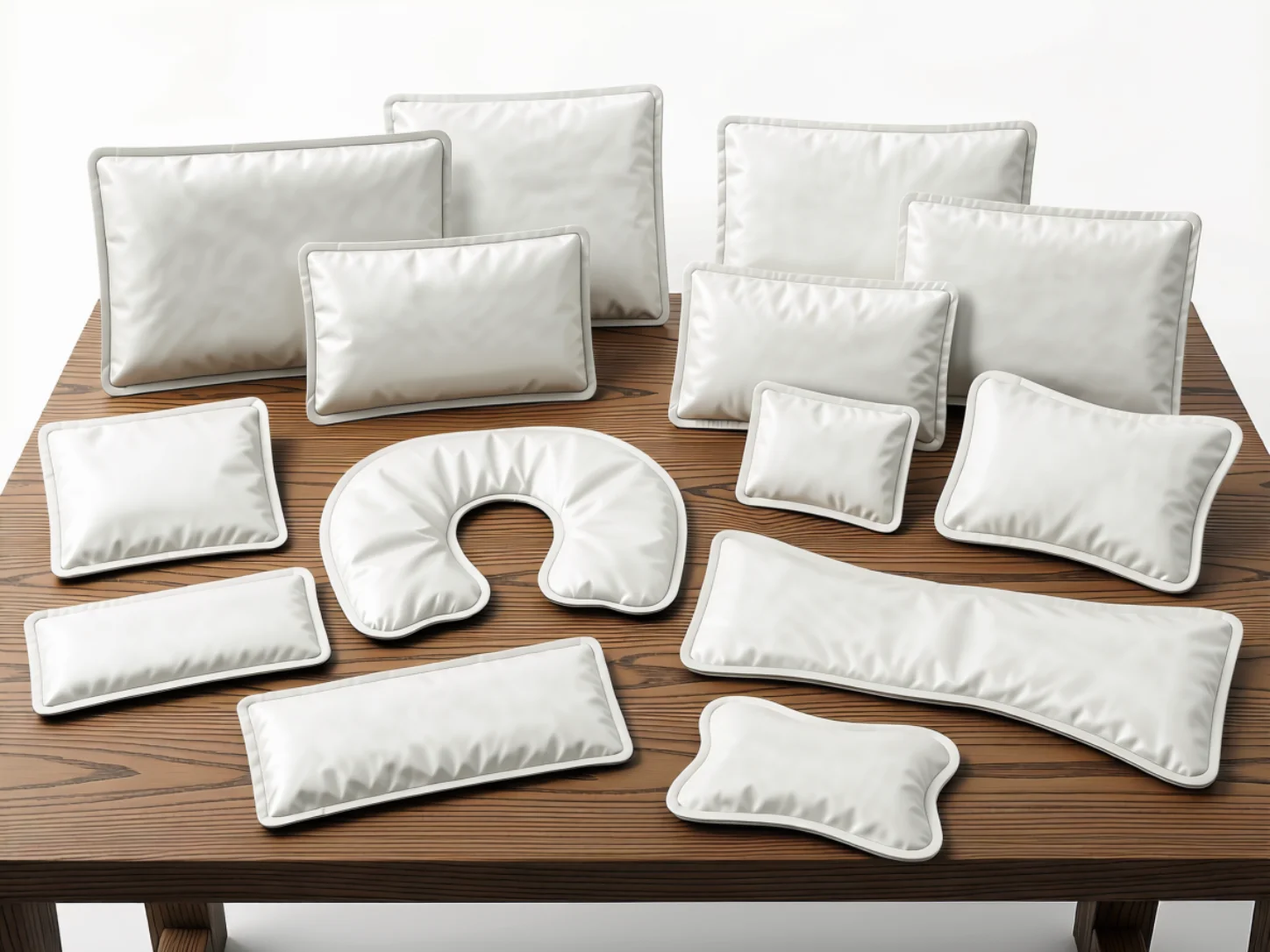
Essentially, heat therapy works by dilating blood vessels, which increases circulation to the affected area. This brings more oxygen and nutrients to the tissues while helping to flush away metabolic waste products that contribute to pain and stiffness. Heat also increases the pliability of muscles and connective tissues, such as fascia. This makes it a perfect prelude to stretching or mobility work, allowing for deeper, safer movement when the body feels stiff or restricted. Rapid Aid’s gel-filled heat packs and compresses are particularly effective for relieving muscle tension, stiffness, and other cold-induced aches.
Alongside the physical benefits, heat is plain relaxing. A warm bath with moist heat packs or a session with a heating pad can stimulate your parasympathetic nervous system (the “rest and digest” system), which helps lower stress hormone levels, such as cortisol. This mental relaxation is a major and often underestimated benefit in winter, when seasonal affective patterns can compound physical discomfort.
It’s crucial to avoid applying heat to acute injuries with symptoms of active inflammation, such as significant swelling, redness, or warmth to the touch. In these cases, ice therapy may be more appropriate for the first 24-48 hours.
Remember: Not All Pain Is Weather-Related
Cold-weather stiffness is common, but persistent or worsening joint pain should never be ignored. Sudden swelling, instability, or ongoing discomfort may signal an underlying condition that requires professional evaluation. If symptoms don’t improve or interfere with daily function, consulting a healthcare provider is always the right call.
Get Ahead of Winter Body Aches and Pain with Rapid Aid Products
Winter-related muscle tension and joint stiffness don’t have to be an unavoidable reality. With the right heat therapy solutions, you can deliver effective, non-invasive relief that helps individuals stay comfortable, mobile, and active during colder months.
For businesses seeking reliable wellness solutions at scale, Rapid Aid offers therapeutic products supported by proven manufacturing standards and decades of experience. Contact us to discuss product selection, pricing, and private label capabilities.
Frequently Asked Questions
Yes. Cold temperatures reduce circulation and thicken joint fluid, which can increase stiffness and discomfort, especially for individuals with arthritis or prior injuries. By understanding these physiological responses, you can take proactive steps like heat therapy or gentle movement to help minimize discomfort.
Hands, knees, feet, and other extremities are more vulnerable to cold-weather pain because they’re located farther from your body’s core and have less muscle mass to generate heat.
For chronic conditions and cold-weather stiffness, heat is generally more beneficial because it increases blood flow, relaxes muscles, and improves tissue flexibility. Ice is typically reserved for acute injuries with active inflammation (swelling, redness, warmth). Many people with chronic pain find that alternating between heat and ice therapy provides the best relief, but heat should be your go-to for cold-weather stiffness.
For both heat and cold therapy, it’s generally recommended to apply for 15–20 minutes per session. You can repeat treatments multiple times a day, but be sure to allow your skin to return to its normal temperature between applications. Rapid Aid packs are specifically designed for safe, repeated use, giving you consistent relief whenever you need it.
Every Rapid Aid product is crafted with a steadfast commitment to quality and safety. Each item undergoes rigorous testing and strict quality control to ensure consistent, reliable performance. With over 50 years of experience and hundreds of millions of products sold, Rapid Aid has built a reputation as an industry leader in manufacturing safe, effective hot and cold therapy solutions.