Breast surgery recovery varies from person to person; it rarely follows a predictable, linear path. Whether a patient undergoes a lumpectomy, total mastectomy, reconstruction, or cosmetic revision, post-operative care involves protecting healing tissue, managing discomfort, and gradually returning to normal function.
Thermal therapy is standard in post-surgical care, but breast surgery requires unique precautions. The usual rule—cold for swelling, heat for stiffness—can introduce serious risks if applied without proper guidance to a post-mastectomy chest wall.
For surgical care teams and discharge coordinators, the priority is ensuring that when hot or cold modalities are prescribed, patients have safe, compliant products at home that match clinical instructions.
Why Thermal Therapy Demands Extra Precaution in Breast Care?
Reduced or altered sensation is one of the main safety considerations when using thermal therapy after breast surgery. Procedures such as mastectomy and lymph node surgery can affect the nerves around the breast, chest and underarm, leaving some areas numb or less sensitive than usual.
This matters because patients may not notice when a hot or cold pack becomes uncomfortable or causes skin irritation. An area with reduced sensation may not provide the usual warning that the temperature or application time is too much.
For this reason, many health institutions and medical authorities, including Memorial Sloan Kettering Cancer Center, advise patients recovering from mastectomy to avoid applying hot or cold products directly to areas with reduced sensation. The same principle applies more broadly to post-operative thermal therapy: the condition and sensation of the skin should be considered before deciding where and how a product can be used.
Standard temperature guidelines may not always apply in these cases. Timing, placement, and duration depend heavily on the specific procedure and individual healing progress, so decisions should be made in consultation with the care team.
Where Cold Therapy May Still Play a Role?
This doesn’t mean cold therapy is off the table. Cryotherapy remains one of the most well-supported approaches for reducing post-surgical swelling and managing acute discomfort, and many breast surgery patients do use cold packs during early recovery. The difference lies in how that use is scoped and supervised.
Care teams often recommend applying cold packs to nearby regions like the chest wall, axilla, or upper back to alleviate tightness and positional discomfort. Cold therapy can sometimes go directly over the operative area, but only with explicit surgeon approval and a protective cloth barrier. Understanding cold therapy’s effect on the lymphatic system is especially helpful for patients managing lymphedema risk after lymph node dissection.
Before adding heat or ice to a care plan, review the contraindications for hot and cold therapy. Impaired circulation, reduced sensation, or compromised tissue significantly alter safety considerations.
Managing Late-Stage Stiffness: Safe Integration of Heat Therapy
Later in recovery, as sensation gradually returns, heat therapy can help ease tightness. Still, timing and placement should be determined in consultation with the care team.
Muscle stiffness is one of the most common longer-term complaints following breast surgery. Extended periods of restricted movement, along with post-operative positioning and the use of compression garments or surgical bras, can create significant tension across the chest, shoulders, and upper back. Thermotherapy helps by increasing local circulation, relaxing muscle tissue, and improving range of motion in areas that have tightened during recovery.
Pain and stiffness can persist well beyond the initial recovery window, particularly for patients who’ve had tissue expanders placed or who are working through physical therapy to restore shoulder and arm mobility. Heat applied to the neck, upper trapezius, and shoulder girdle — under the care team’s direction can meaningfully support that process.
Heat should generally be avoided at the surgical site unless explicitly approved by the surgeon. Premature heat increases blood flow, which can exacerbate acute swelling, inflammation, and bleeding risks, while potentially disrupting delicate scar tissue remodeling. The American Society of Plastic Surgeons provides clear guidance on post-surgical protocols, helping patients understand when thermal therapy is appropriate during recovery.
Practical Considerations for Patients Using Hot or Cold Packs at Home
Once a surgeon or care team has approved thermal therapy for a specific area, the practicalities of at-home use matter quite a bit. A few principles apply regardless of the modality:
- Always use a cloth barrier between the pack and the skin. This is standard guidance for any hot or cold application, but it’s especially important when working around surgical sites or areas with reduced sensation.
- Limit application time to what the surgeon recommends — typically 15 to 20 minutes at a time, with adequate breaks in between. Without the feedback loop of normal sensation, longer applications create higher risk.
- Check the skin frequently during and after each session, particularly in areas where sensation may be altered. Look for discoloration, redness, or any sign of irritation.
- Avoid direct application to drains, incisions, or suture lines unless the care team has specifically directed otherwise.
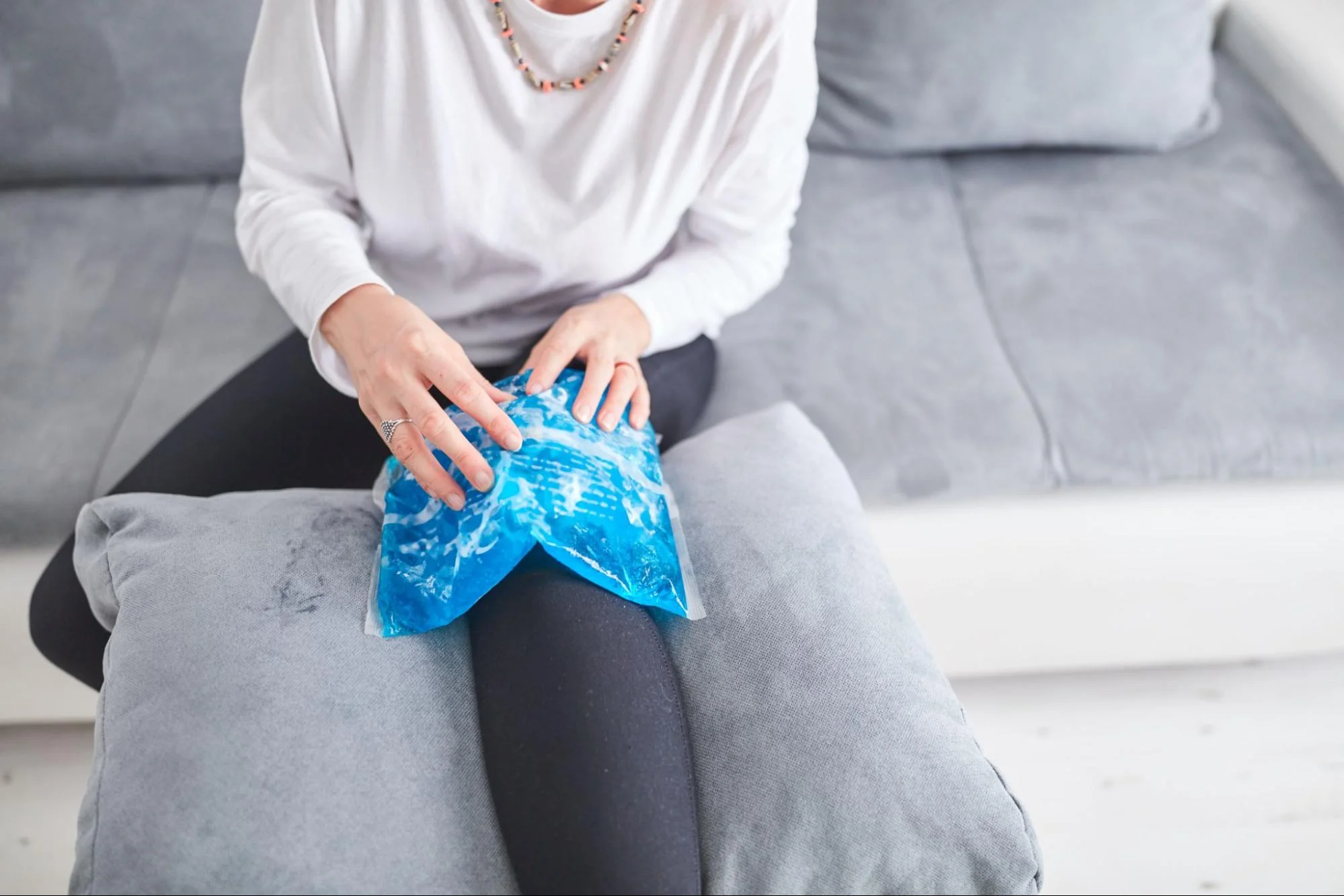
- Use flexible, conformable packs rather than rigid products. Post-surgical anatomy changes, compression garments, and tender tissue all make wrap-around or soft-gel designs far more practical and comfortable than stiff plastic alternatives.
Understanding the common mistakes people make when using hot or cold packs is crucial for patients who are new to thermal therapy as part of a recovery routine.
How Discharge Programs Can Support Better Recovery Outcomes?
For hospitals, surgical centers, and distributors supplying post-operative care products, breast surgery recovery represents a high-touch patient population with specific needs. Patients leave the hospital or surgery center with a finite window of caregiver support, and what they have access to at home in those first days matters.
Discharge programs that include patient-appropriate hot and cold therapy products — paired with clear written instructions from the care team on where and when to apply them — give patients something concrete they can use, rather than leaving them to improvise with ice bags or heating pads from a kitchen drawer.
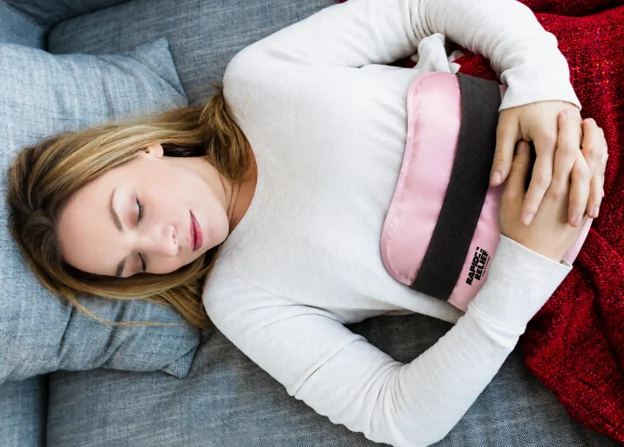
Rapid Aid’s range of hot and cold therapy products is designed with this kind of application in mind. From flexible reusable gel packs suited to sensitive post-operative skin to instant cold packs for situations where refrigeration isn’t available, our product lineup supports both patient comfort and the practical constraints of discharge and home care settings. Healthcare providers and medical distributors sourcing products for these programs can explore the full offering at rapidaid.com.
For buyers evaluating product options across categories, understanding what to look for in a hot and cold therapy supplier goes beyond price point — factors like regulatory compliance, product consistency, and the supplier’s ability to scale with demand all matter when stocking a surgical discharge program.
Following the Surgeon’s Instructions Is Essential
Consider every recommendation in this article in the context of the patient’s surgical guidance. Breast surgery involves individualized decisions at every step, from the procedure type and extent of tissue involvement to the presence of drains, reconstruction materials, or lymph node removal. What’s appropriate for one patient may be contraindicated for another with a nearly identical diagnosis.
Patients should treat any thermal therapy guidance they encounter — including this article — as background context, not a care protocol. The clinical team managing their specific recovery provides the care protocol. When in doubt, consulting the surgeon’s office regarding hot or cold pack use is the recommended course of action.
Healthcare providers and discharge coordinators designing patient education materials should similarly ensure that any product-specific guidance is reviewed for accuracy against their institution’s post-operative protocols. A one-size-fits-all instruction sheet is a missed opportunity to reduce patient confusion and improve outcomes.
Ready to Equip Your Recovery or Discharge Program?
Choosing the right thermal therapy products for post-surgical patients is a decision that benefits from experience on both ends — the clinical team that understands the recovery protocol, and a supplier that understands what makes a product safe, practical, and appropriate for sensitive use cases. The products patients use at home during recovery extend the care they received in the clinic, and they deserve the same quality standard.
If you’re sourcing hot and cold therapy products for a healthcare setting, discharge program, or retail first aid offering and want to explore options that meet medical-grade expectations, get in touch with our team and let’s talk through what fits your program.
References
- https://www.mskcc.org/cancer-care/patient-education/about-your-mastectomy
- https://www.plasticsurgery.org/x26515
Frequently Asked Questions
Yes. Private-label options let healthcare systems and retailers put their own branding on packs used in discharge kits or sold on shelf, while keeping the underlying product specification consistent. This is a common request from buyers who want the product to reinforce their own brand at the point of patient or customer contact.
This varies by product type and customization level, so it’s best discussed directly with our team for a given order size and timeline. Programs planning ahead for a launch or a seasonal volume increase should build in lead time for any custom branding or packaging requirements, since those add steps beyond a standard stock order.
Reusable packs cost more upfront but amortize over dozens of uses, making them cost-effective where patients or facilities can wash and reuse them. Instant packs cost more per use but solve the problem of patients without freezer access immediately post-discharge, which matters for programs prioritizing first-use reliability over long-term cost.
Instant packs typically have a multi-year shelf life when stored properly, but buyers should confirm specific dating with the supplier and factor it into rotation planning, especially for hospital pharmacies holding safety stock that may sit unused for extended periods.
We can work with healthcare organizations and discharge programs on supporting materials that align with how their staff actually hand off products to patients. This is worth raising directly with our team, since the right materials depend on the specific care pathway and patient population involved.