Summary: Over time, UV damage can have a detrimental effect on the skin and its underlying connective tissue. It’s important to understand how daily sun exposure accelerates visible aging and compromises the skin. This blog provides a closer examination of how UV rays affect collagen, elasticity, and overall skin health. It also highlights the critical role of post-sun recovery, including the benefits of cold therapy, and outlines practical steps for long-term skin resilience.
A day spent soaking up the sun may uplift the mood, but without proper protection, it can take a serious toll on the skin. It’s always a good time to remember the huge role sun protection plays in preventing skin cancer and preserving the very structure and youthfulness of our skin. While public messaging often focuses on avoiding sunburns and mitigating cancer risk—and rightly so—there’s a deeper layer to the conversation: the accelerating effect of ultraviolet (UV) radiation on aging skin.
Aging is an inevitable process, but sun exposure can accelerate it dramatically. Up to 90% of visible skin aging is attributed to photoaging, which is damage to the skin caused by exposure to ultraviolet light. Since light is always present around us, even on winter days and in cloudy conditions, sun damage remains a constant concern for maintaining healthy skin. The good news is that premature aging caused by long-term exposure to ultraviolet (UV) radiation is largely preventable. Simple, consistent sun protection habits can significantly minimize the risk of sun spots, wrinkles, and loss of elasticity, allowing individuals to maintain a more youthful complexion.
Understanding Skin Aging: How UV Accelerates Aging
UV radiation penetrates the skin in two primary forms: UVA and UVB. UVA rays reach the dermis—the middle layer of skin—where they generate free radicals and reactive oxygen species (ROS). These unstable molecules damage cellular DNA and stimulate the production of enzymes known as matrix metalloproteinases (MMPs), which actively degrade collagen and elastin.
Collagen, which comprises roughly 75% of the skin’s dry weight, is the most abundant protein responsible for maintaining the skin’s structural integrity, firmness, and youthful volume.1 UV radiation significantly inhibits the function of fibroblasts, the cells responsible for producing Type I and III collagen, while simultaneously increasing collagenase activity, which literally breaks down existing collagen fibers.
As elastic fibers become disorganized and degraded, the skin loses its ability to rebound, resulting in the formation of wrinkles and sagging. What should be a supple, resilient tissue becomes slack, contributing to drooping, creasing, and uneven skin tone. Clinical and histological studies confirm that individuals with greater sun exposure not only appear older but also exhibit measurable reductions in collagen content and elasticity compared to their less-exposed counterparts.
In one cross-sectional study of 100 participants, those with under 30 minutes of daily sun exposure showed relatively low rates of skin aging markers: 10% had visible wrinkles, 15% showed pigmentation changes, and only 5% experienced sagging. Conversely, participants with more than two hours of sun exposure per day exhibited dramatically higher signs of aging—wrinkles in 80% of cases, pigmentation in 85%, and sagging in 75%2, illustrating the cumulative impact of UV radiation on skin health.
Beyond its aesthetic implications, this damage has broader implications for skin health. Collagen and elastin not only support firmness but are also essential for wound healing and maintaining the skin’s barrier integrity. When they’re compromised, the skin becomes more vulnerable to irritation, infection, and moisture loss.
How to Stay Ahead of UV-Induced Aging
The skin is the body’s largest and most exposed organ, serving as a critical barrier against environmental stressors while visibly reflecting overall health and the aging process. Since sun protection can make such a big difference, one key message from dermatologists is for individuals to be aware of the danger of ultraviolet (UV) radiation from the sun and take a few simple protective steps. Wearing sunscreen with an SPF of 30 or higher does more than reduce the risk of skin cancer; it also helps prevent the visible signs of photoaging. In fact, many consider it an essential part of their anti-aging routine, and with good reason. Consistent use has been shown to slow the onset of sun-induced damage, helping the skin maintain a smoother, more even appearance over time.
Other simple habits to protect the skin from the damaging effects of hot weather include:
- Reapplying sunscreen every two hours when outdoors
- Wearing protective clothing, such as wide-brimmed hats and lightweight long-sleeved shirts
- Spend time in the shade between 11 am and 3 pm when the sun’s rays are strongest
- Keeping hydrated by drinking plenty of water daily
- Avoiding tanning beds and intentional sun exposure
Post-sun recovery matters just as much
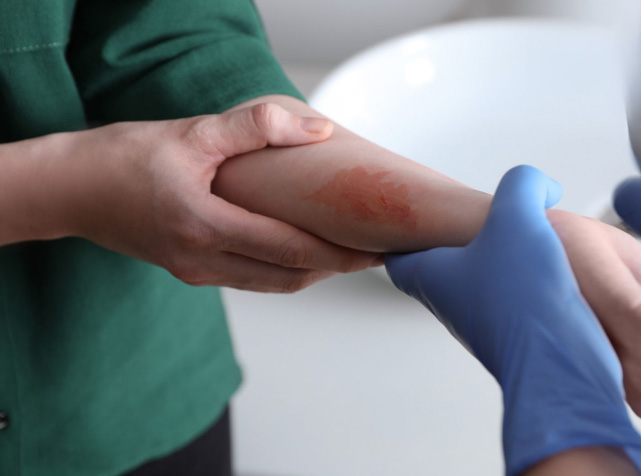
Hot, humid conditions can amplify skin stress, leading to sunburn (caused by UVB rays), heat rash, and inflammation. For individuals with conditions like eczema, flare-ups are common during warmer months, as increased sweating and the use of indoor air conditioning can lead to both irritation and dryness. Cooling techniques, deep hydration, and gentle topicals can help restore the skin and prepare it for another sunny day.
Does Cold Therapy Help with Skin Recovery?
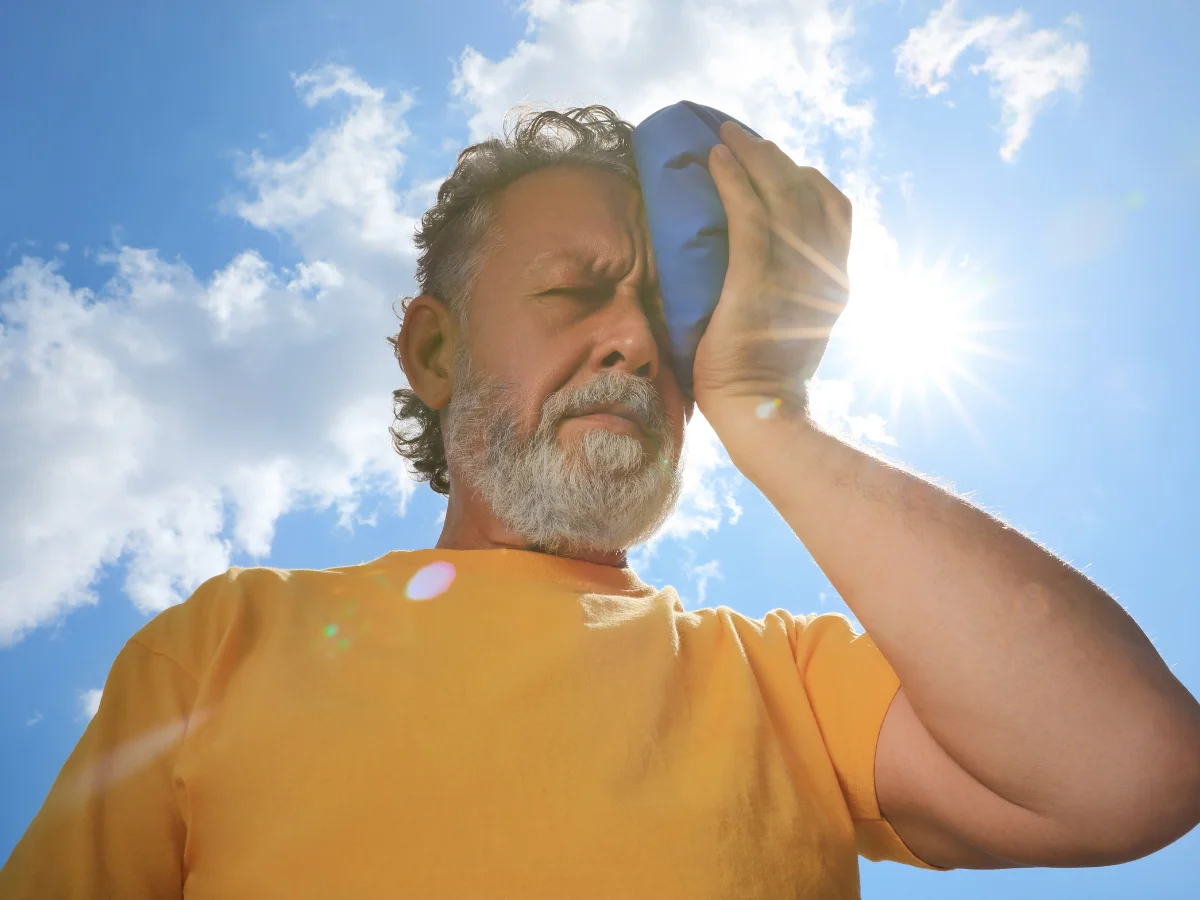
A cooling compress after sun exposure or time in the heat can do wonders: calming irritation, reducing redness, and gently lowering the temperature of overstimulated skin. It’s an easy, non-invasive way to reset the skin after it’s been pushed too far. The cold temperature induces vasoconstriction, which reduces blood flow to the affected area and thereby minimizes swelling and pain. It also calms nerve endings, which can provide immediate relief from the stinging or tightness associated with overexposure. More importantly, reducing skin temperature may slow down the enzymatic processes that contribute to collagen breakdown, giving the body a better chance to recover without compounding damage.
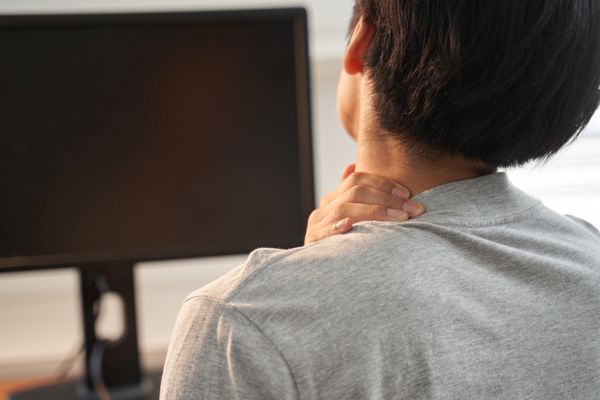
For best results, focus on areas most vulnerable to heat and UV exposure, such as the face, including the eyes, neck, shoulders, chest, and upper back. These zones tend to absorb the most sun and are more prone to overheating and irritation. A cold compress placed over the forehead or the back of the neck can also help cool the body overall, making it especially useful during heat waves or after outdoor activities.
Please Note: Use caution—apply cold in short sessions of about 10 to 20 minutes, as longer exposure can harm the skin and underlying tissue. Many cooling products, like those from Rapid Aid, are designed with gentle wraps or soft-touch covers for added comfort and safety during application.
If symptoms such as severe sunburn, persistent swelling, blistering, or dizziness occur, it’s important to seek medical attention promptly, as these may indicate more serious heat-related conditions.
Stock the Essentials for Sun Exposure and Relief
Interested in bringing science-backed hot and cold therapy products to your shelves or wellness program? Rapid Aid offers a wide selection of private-label and branded therapy products, ideal for sun care displays and seasonal wellness promotions. Contact our team to explore bulk purchasing options and product customization for your store, clinic, distribution channel, or merchandising strategy.
Disclaimer: This article is intended for informational and educational purposes only and does not constitute medical advice. For personal health concerns or treatment guidance, please consult a qualified healthcare professional.
Frequently Asked Questions
Not at all. Moderate sun exposure has benefits, such as helping the body produce vitamin D, supporting mood, and regulating sleep cycles. The key is controlled exposure—short periods of time in the sun, ideally outside peak UV hours (10 a.m. to 4 p.m.), with appropriate protection like sunscreen, clothing, and shade.
Cold therapy works by lowering skin temperature and reducing inflammation immediately after exposure to UV radiation. While moisturizers and aloe vera soothe dryness or surface irritation, cold packs target the deeper inflammatory response that contributes to long-term damage.
Yes. Rapid Aid cold packs are designed with skin-safe materials and can be applied directly or wrapped in a thin cloth for added comfort. They're a gentle, non-invasive option suitable for all skin types, including sensitive or acne-prone skin.
Consumers are increasingly aware of holistic skincare approaches. Offering cold therapy provides a unique, value-adding product that complements traditional sunscreen and after-sun lines, especially during peak UV seasons.
While cold therapy doesn’t reverse aging, it may help mitigate inflammation-related collagen degradation, especially when used promptly after sun exposure. As part of a broader skincare strategy, it supports skin recovery and resilience.