
Neck pain is one of the most frequent musculoskeletal issues encountered across healthcare settings, from primary care clinics to physical therapy practices. Patients describe waking with stiffness, limited range of motion, or localized pain after sleeping in an awkward position or using inadequate support.
While these symptoms are often dismissed as minor, repeated sleep-related strain can contribute to ongoing discomfort, lost productivity, and increased reliance on medication. For healthcare providers and retail clients, this creates a need for accessible, low-risk interventions that patients can safely use at home.
Sleep-related neck pain typically presents as reduced cervical range of motion upon waking, muscle tightness or spasms, dull aching pain or localized tenderness, and occasional radiating discomfort into the shoulders or upper back. In most cases, symptoms improve within days. However, without proper intervention, recurring strain can become a persistent issue.
How Sleep Posture and Daily Habits Contribute to Neck Pain?
The cervical spine relies on proper alignment during rest. When the head is unsupported, excessively flexed, or rotated for extended periods, surrounding muscles and soft tissues absorb the strain. Some of the common reasons for poor sleeping posture include:
- Sleeping with the neck twisted or bent at an awkward angle
- Pillows that are too high, too flat, or lack support can result in musculoskeletal pain affecting both the neck and back
- Mattresses that are too soft or firm
- Stomach sleeping, which strains muscles and joints
- Sudden movements during sleep
Spending long hours at a computer (tech neck) or maintaining poor posture during the day can also weaken and strain the neck muscles. These factors are frequently compounded by age-related changes, prior injury, or underlying degenerative conditions such as arthritis, herniated discs, or degenerative disc disease.
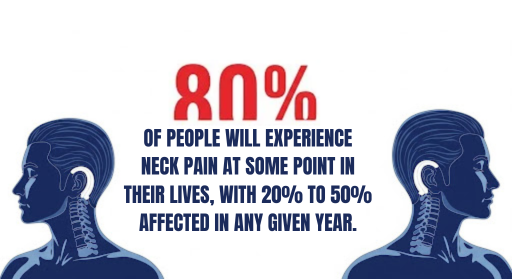
According to Dr. Frank Pedlow, an orthopedic spine surgeon at Harvard-affiliated Massachusetts General Hospital, roughly 80% of people will experience neck pain at some point in their lives, with 20% to 50% affected in any given year. Additional studies show that neck pain affects productivity and quality of life, with sufferers reporting difficulty concentrating and reduced daily function.
When Morning Neck Pain Warrants Medical Attention?
For most individuals, sleep-related stiffness resolves with conservative care. However, pain that persists beyond several days, worsens over time, or presents with neurological symptoms such as numbness, tingling, weakness, or radiating arm pain may require further medical evaluation.
From a care standpoint, early intervention with non-invasive support can help reduce symptom duration and limit progression to chronic pain or functional impairment.
Conservative, At-Home Interventions That Work
Healthcare providers routinely recommend simple, evidence-informed strategies to manage acute neck strain:
Cold therapy. Cold therapy applied within the first 24 hours can help reduce inflammation and dull acute pain. Use ice or a cold pack on the sore area for 20 minutes at a time.
Heat for lingering stiffness. Heat therapy treatments, introduced once inflammation subsides, support muscle relaxation and circulation, easing stiffness and improving mobility. For best results with persistent stiffness, alternate between cold packs (to reduce inflammation) and heat (to loosen muscles).
Over-the-counter relief. Short-term use of over-the-counter analgesics may be appropriate for some individuals, though many patients prefer non-drug alternatives.
Gentle movement. Light activities like stretching, walking, yoga, or even a self-massage help maintain circulation and prevent muscles from tightening further.
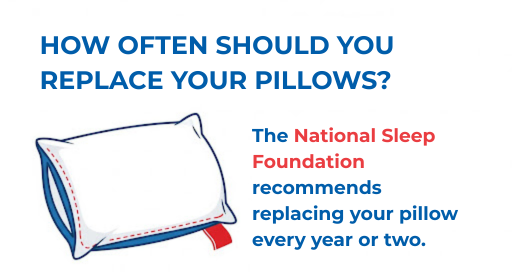
Sleep support adjustments. Proper pillow replacement, neutral neck alignment, and attention to sleep position significantly influence recovery. The National Sleep Foundation recommends replacing your pillow every year or two to maintain structural integrity.
Stress management deserves mention, too. Tension and anxiety manifest as muscle tightness in the neck and shoulders, compounding sleep-related pain. Relaxation techniques, deep breathing, or even a warm bath before bed can relax the muscles and reduce morning stiffness.
Note: Reusable hot- and cold-therapy products, such as anatomically contoured neck and shoulder wraps, fit naturally into this conservative care model. Their ease of use, reusability, and non-pharmacologic profile make them suitable for clinical recommendation, retail placement, and discharge education.
Supporting Neck and Spine Health While You Sleep
As with many things, an ounce of prevention is worth a pound of cure. Educating patients on sleep ergonomics, posture awareness, and stress management can significantly reduce repeat complaints and minimize the likelihood of clinical intervention.
Practical preventive strategies include encouraging back or side sleeping with proper cervical support, replacing pillows regularly, addressing daytime posture and workstation ergonomics, and managing stress, which frequently manifests as neck and shoulder tension.
Explore Our Therapeutic Product Solutions For Neck Pain Relief
Rapid Aid partners with retailers, healthcare systems, and distributors to deliver reliable, drug-free pain relief solutions designed for real-world use. Our reusable hot and cold therapy products are engineered for comfort, durability, and ease of application, and are well-suited for patient recommendation, in-clinic use, and consumer-facing retail programs.
Available in both Rapid Aid–branded and private-label formats, our solutions help organizations grow their non-pharmacologic pain-relief range while maintaining consistent quality across distribution channels.
Contact us today to see how Rapid Aid can enhance your pain relief offerings.