Summary: Slips, trips, and falls remain a leading cause of workplace injuries, frequently resulting in sprains, strains, and operational downtime. This blog examines the hidden cost of these incidents, the industries most affected, and why modern industrial first aid kits, including hot and cold therapy, are critical to workforce safety and recovery readiness.
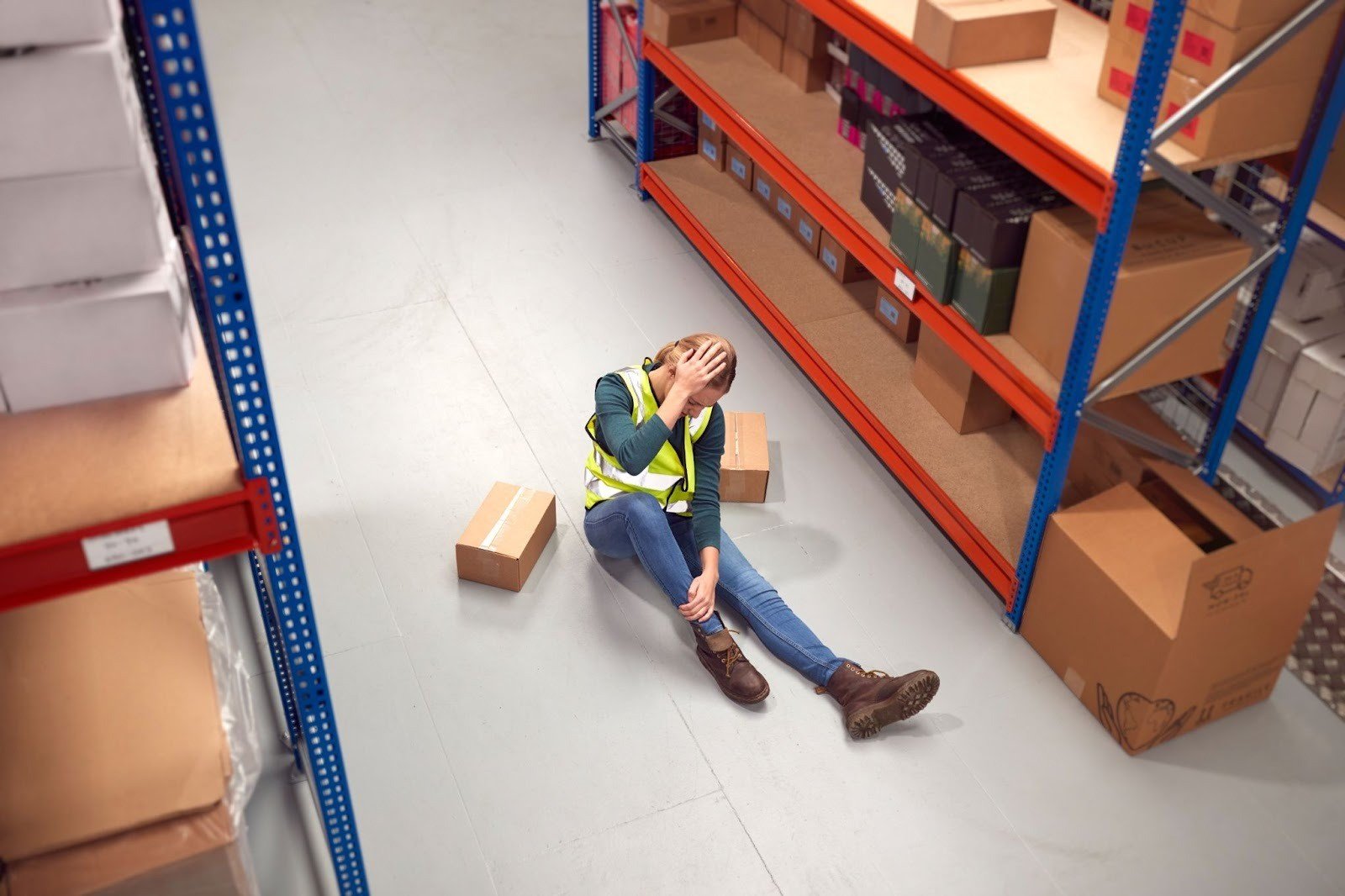
Tuesday morning, 7:43 AM. A warehouse worker catches his boot on the edge of a pallet. Goes down hard on the concrete floor.
His ankle is already swelling. His shoulder took the brunt of the impact. And when someone grabs a first aid kit, all they find is bandages…..Antiseptic wipes. Maybe some gauze. All useful for cuts and scrapes. None of it helps with what this worker actually needs.
By tomorrow, he’ll barely be able to move his arm. Three days of modified duty. Maybe a full week out. A fully stocked and maintained first aid kit can be the difference between getting an employee back on the job or a worker leaving the office for medical care. In this case, while hot and cold therapy is recommended by OSHA for modern workplace first aid, it’s common for it to be missing or inadequately stocked in older or poorly managed kits.
Accidents like this reveal gaps in first aid readiness; gaps that industrial and workplace safety solution providers can address by supplying kits designed for the injuries workers experience on the floor.
Why Slips, Trips, and Falls Still Disrupt Modern Workplaces
Slips, trips, and falls remain one of the most persistent causes of workplace injury across nearly every industry. They are the second leading cause of workplace injury, after hazardous manual tasks. Despite advances in safety technology, training programs, and hazard awareness, businesses still deal with fall incidents that lead to downtime, compensation claims, and, in some cases, serious injury.
So why does the problem persist?
More often than not, it comes down to dangerous conditions that people stop noticing. Wet floors left to dry on their own, uneven walkways, everyone learns to “step over,” loose cables, incorrect footwear, rushed movement between tasks, etc. People know the hazards are there, but familiarity changes how they respond. Without consistent follow-through, even well-intentioned controls become background noise. Instead of stopping to fix the issue, they step around it, work past it, or assume someone else will deal with it.
Based on numerous industry reports, here is what the data reveals:
- Slip, trip, and fall incidents alone account for roughly 20% of all workplace injuries.
- Over 240,000 non-fatal injuries from falls, slips, and trips required days away from work in 2024.
- 67% of all fall-related injuries are caused by slips or trips on the same level – Canadian Centre for Occupational Health and Safety.
- According to the National Safety Council, more than 8.8 million people were treated in emergency rooms for fall-related injuries in 2023.
- 47,026 people died in falls at home and at work in 2023, according to Injury Facts.
- Sprains, strains, and tears (soft-tissue injuries) account for 43 percent of all work injuries that require time away from work.
Under OSHA law, employers are required to provide a workplace that is safe and free of recognized hazards, including slips, trips, and falls. This means not only identifying and addressing risks but also equipping staff with the right training and resources to respond to incidents. Proper hazard controls, regular inspections, and well-stocked first-aid kits compliant with ANSI Z308.1 standards are part of meeting these legal responsibilities.
Industries Most Impacted by Slips, Trips, and Falls
While slips, trips, and falls can happen in almost any workplace, certain industries consistently report the highest proportions of these incidents.
Manufacturing & Industrial Facilities
Heavy machinery, oily floors, and cluttered workspaces make manufacturing and industrial floors some of the highest-risk workplaces, a prime environment for slip-and-trip incidents. Workers frequently navigate moving equipment, cords, and uneven surfaces, which increases the risk of falls.
Warehousing & Logistics
Loading docks, pallet movement, fast-paced picking operations, and inadequate lighting can create slip-and-trip hazards. Repetitive lifting and time pressures can also increase the likelihood of minor falls that can lead to sprains or strains.
Construction
Construction sites are inherently high-risk. Temporary walkways, uneven surfaces, misplaced tools, debris, and frequent elevation changes all contribute to fall incidents. Even minor same-level falls at these sites can result in lost time or injuries requiring medical assessment.
Retail & Food Service
From wet entryways to kitchen floors, retail and food service environments have a surprisingly high rate of slips and trips. High foot traffic and occasional hazards such as spills make these workplaces prone to minor but frequent fall injuries.
Despite vastly different operational environments, the injury profile usually is remarkably consistent:
- Ankle sprains and strains from twisted landings
- Knee injuries from impact with hard surfaces
- Shoulder and back trauma from bracing during falls or awkward twisting
- Hip contusions from direct impact
- Wrist sprains from catching falls
- Soft tissue swelling and inflammation across all injury types
Cold Therapy in First Aid: A Critical Response Tool
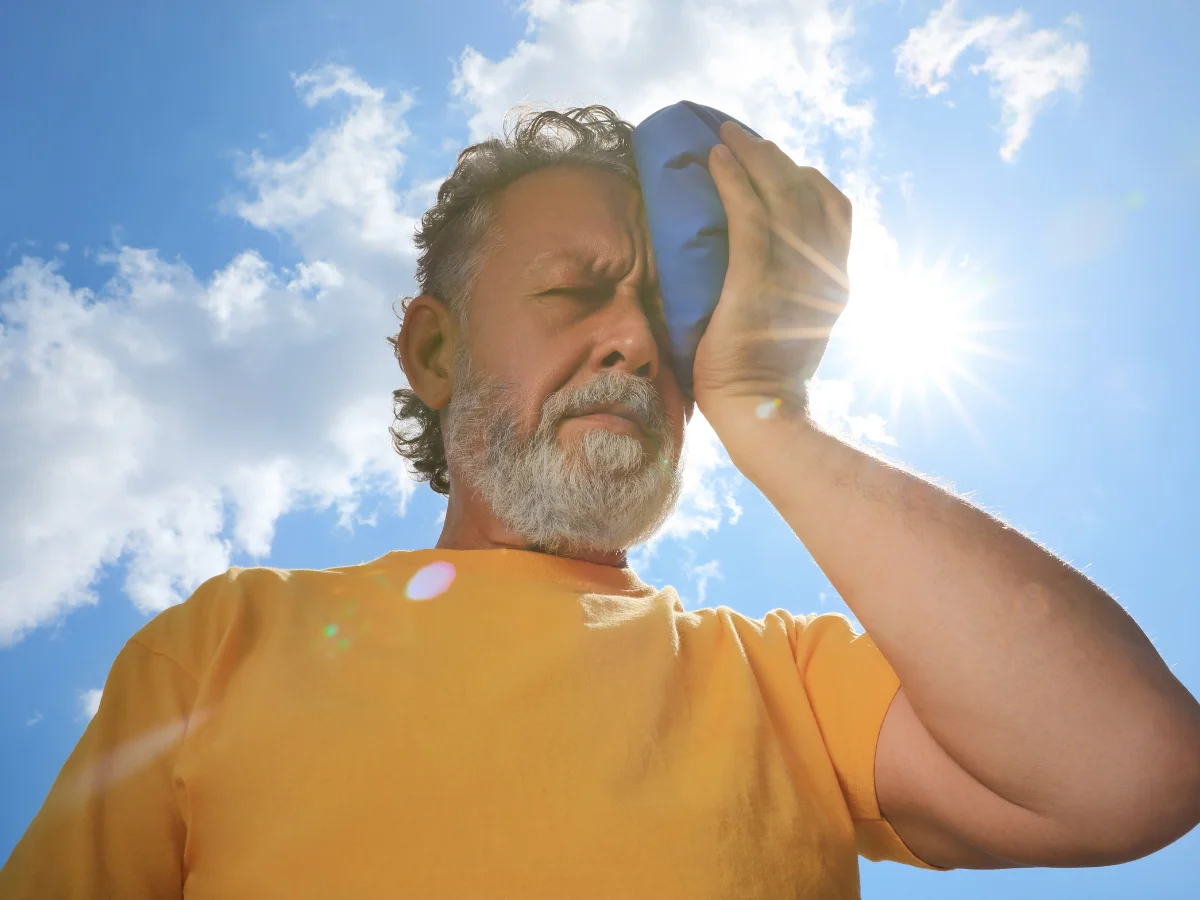
Cold therapy belongs in every industrial first aid kit. Research shows that cold therapy effectively reduces pain, swelling, and inflammation, particularly when applied within the first 24-48 hours after injury. It’s beneficial for soft-tissue injuries such as sprains and strains, as it decreases blood flow, acts as an anesthetic to numb pain and reduce metabolic activity, and prevents further tissue damage. This can speed up recovery and reduce lost work time.
Here’s what effective cold therapy in a workplace setting needs to be:
- Immediately available — not in a freezer three floors away
- Ready to use — no assembly required during an emergency
- Safe to apply — won’t cause cold burns or frostbite
- Workplace-appropriate — durable enough for industrial environments
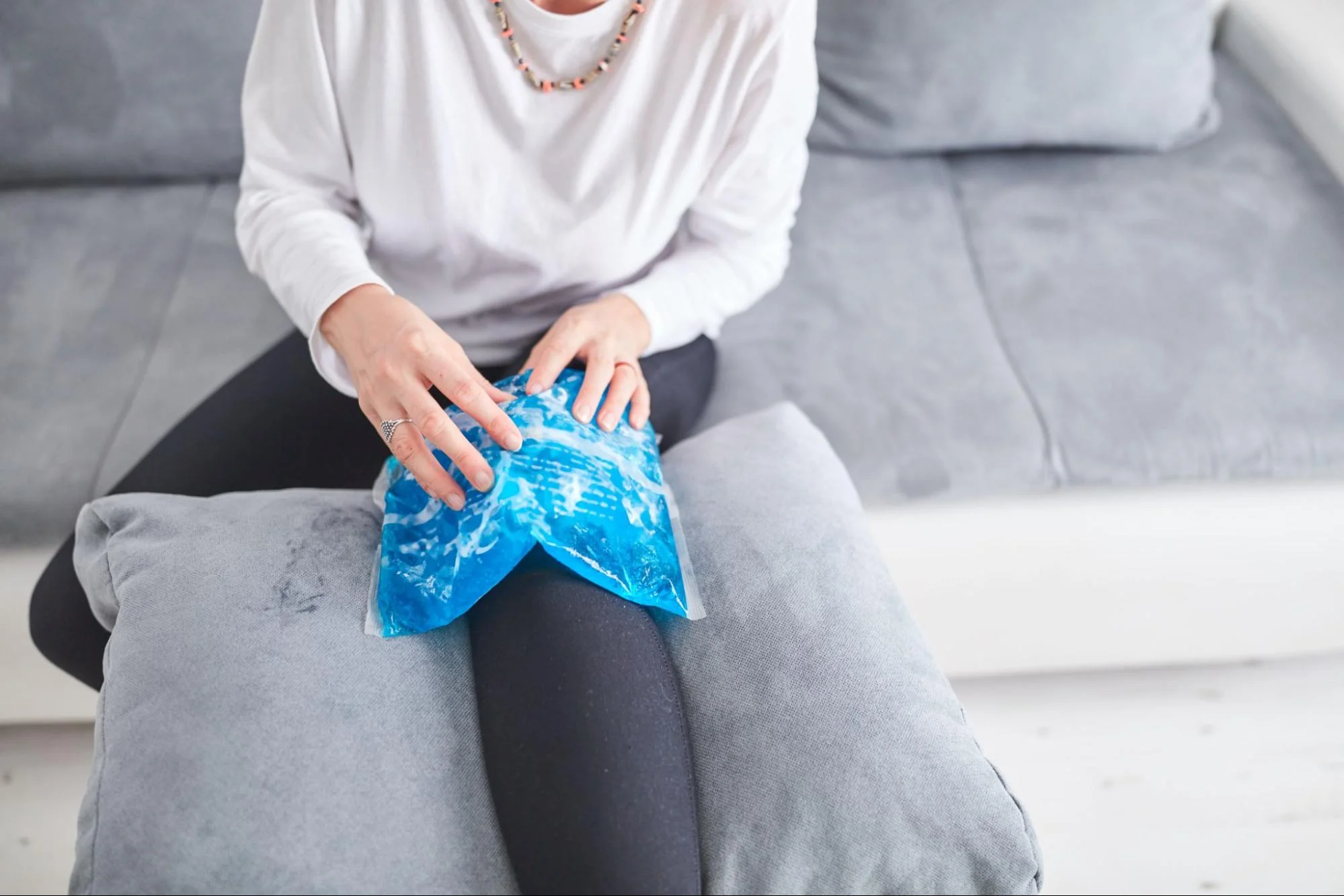
Instant cold packs check all these boxes. They activate on demand, require no refrigeration, and provide a controlled temperature for the recommended 15-20 minute application periods. They’re designed for exactly the scenario that plays out in workplaces every day: someone goes down, someone else grabs the first aid kit, and the injury is managed on-site before it escalates. After the first 48 hours, applying heat can help relax tight muscles, boost blood flow, and support the healing process.
For safety equipment distributors, procurement managers, and pharmaceutical supply chains serving commercial and institutional accounts, several questions merit an evaluation:
- Do your current first aid offerings align with documented workplace injury patterns?
- When a facility’s safety personnel opens a kit after a fall incident, will they find what they need?
- How many of your clients are unknowingly non-compliant with ANSI Z308.1 standards because their kits lack the required first aid supplies?
Ready to Upgrade Your First Aid Offerings?
Rapid Aid supplies hot and cold therapy solutions designed for B2B channels serving construction, manufacturing, warehousing, food service, and retail safety procurement.
Let’s discuss how our hot and cold therapy solutions can strengthen your product line and position you as the go-to partner for workplace safety solutions that work.
Contact our commercial sales team to discuss inventory options, private label capabilities, and volume pricing structures.
Frequently Asked Questions
The most common injuries are soft-tissue-related—sprains, strains, bruises, and minor muscle tears. These injuries rarely break the skin but can lead to swelling, reduced mobility, and lost time if not addressed promptly. That’s why modern workplace first aid kits need tools such as instant cold packs, compression wraps, and splints.
Cold therapy is most effective when applied within the first 24–48 hours following an injury. Immediate application helps reduce swelling, manage pain, and limit inflammation, which can speed up recovery and reduce lost work time.
Yes. Rapid Aid offers private label solutions, allowing resellers and distributors to brand high-quality first aid kits as their own. This provides a tailored solution for clients while reinforcing your brand as a trusted provider of workplace safety equipment.
Absolutely. Rapid Aid designs all products, including instant cold packs, hot/cold therapy packs, and first aid kits, to meet rigorous safety standards. They are tested for durability, controlled-temperature delivery, and safe use in industrial, construction, and manufacturing environments. Learn more about our safety and compliance.
1. https://www.helbocklaw.com/osha-slips-trips-and-falls-statistics-a-2025-safety-overview/
2. https://www.ccohs.ca/oshanswers/safety_haz/falls.html
3. https://www.nsc.org/workplace/safety-topics/slips-trips-and-falls/slips-trips-and-falls-home
4. https://injuryfacts.nsc.org/all-injuries/deaths-by-demographics/top-10-preventable-injuries/
5. https://business.libertymutual.com/insights/2024-workplace-safety-index/