Summary: The lymphatic system is essential for immune function and clearing waste from the body. This article explains what your lymphatic system is, what it does, and why you might want to boost your lymphatic circulation with cold therapy. Rapid Aid is a trusted provider of professional cold therapy solutions designed for safe and effective use in healthcare and wellness settings.
Did you know the body contains nearly twice as much lymphatic fluid as blood, yet few people understand how it works or why it matters? While you sleep, exercise, or simply sit reading this article, your lymphatic system plays an integral role in maintaining fluid balance, removing waste, and supporting immune responses.
Understanding how to support this vital system doesn’t require complex medical interventions. Often, the most effective approaches involve simple, evidence-based practices combined with healthy lifestyle habits. One such practice gaining recognition for its lymphatic benefits is cold therapy, a natural, accessible intervention that works with your body’s own mechanisms to enhance drainage and reduce inflammation.
What is the Lymphatic System?
The lymphatic system is a complex network of tissues and organs responsible for clearing toxins, waste, and other unwanted substances from the body. It consists of lymph nodes, lymphatic vessels, and lymph, a fluid rich in white blood cells that helps defend against infection.
Each day, the body pumps roughly 20 liters of plasma to deliver nutrients to cells and tissues. While about 90 percent of this fluid returns directly to the bloodstream, the remaining 10 percent seeps into surrounding tissues and enters tiny lymphatic vessels1. As it passes through these vessels, it flows through the body’s nearly 600 lymph nodes, which filter out waste and pathogens. If the nodes detect bacteria or viruses, they alert the immune system to mount a response.
Unlike your cardiovascular system, the lymphatic system has no central pump like the heart. Instead, it relies entirely on muscle movement and external stimulation to function effectively. When lymph fluid doesn’t circulate properly, you’ll notice symptoms like facial puffiness, leg soreness, swelling, fatigue, and weakened immunity.
Why Does Lymphatic Flow Slow Down?
Modern lifestyles can significantly slow lymphatic flow. Research shows that the average office worker spends 77 percent of their workday sitting2, which greatly reduces the muscle activity needed to help lymph fluid circulate effectively. Add inadequate hydration, chronic stress that triggers inflammatory responses, and processed foods that increase toxic load, and you have a lymphatic system working overtime with limited support.
Injury and surgery also compromise lymphatic flow. Damaged tissues trigger an inflammatory response that increases fluid in the affected area. If lymphatic drainage can’t keep pace with this fluid accumulation, swelling persists, and recovery may slow.
Suffice to say, the system’s efficiency directly impacts how quickly the body recovers from injury, fights infection, and manages inflammation.
How Does Cold Therapy Stimulate the Lymphatic System?
Cold therapy, including whole-body cryotherapy or localized cold treatments, helps stimulate lymphatic flow by promoting the constriction and dilation of blood and lymphatic vessels, encouraging fluid movement throughout the body.
When the body is exposed to cold, it responds in several ways that naturally support and stimulate the lymphatic system.
Vasoconstriction and Vasodilation
Cold therapy triggers vasoconstriction, which narrows blood vessels and decreases blood flow to the skin and extremities. This response helps to conserve heat and redirect blood flow to vital organs. Once the body begins to warm up, vasodilation occurs, and blood vessels expand. This temperature-driven vascular “pumping” also affects the lymphatic vessels, helping push stagnant lymph through the system more efficiently. That said, some protocols use contrast therapy (alternating cold and heat) to create a pumping action in blood vessels.
Reduced Inflammation
Cold therapy is widely recognized for its ability to reduce inflammation, and the lymphatic system is central to managing inflammation throughout the body. By lowering inflammation, cold therapy helps the lymphatic system work more efficiently, supporting faster recovery from injuries or illness.
Muscle Contraction for Lymphatic Flow
Since the lymphatic system doesn’t have a pump, it relies on muscle movement to move lymph fluid. Cold exposure triggers involuntary muscle contractions, which help stimulate lymphatic circulation and enhance the removal of waste products from tissues.
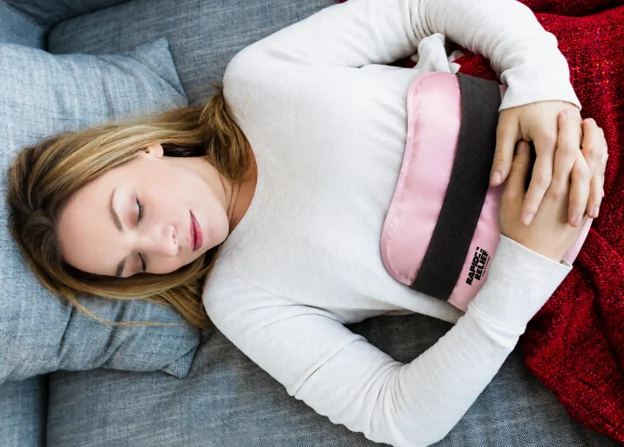
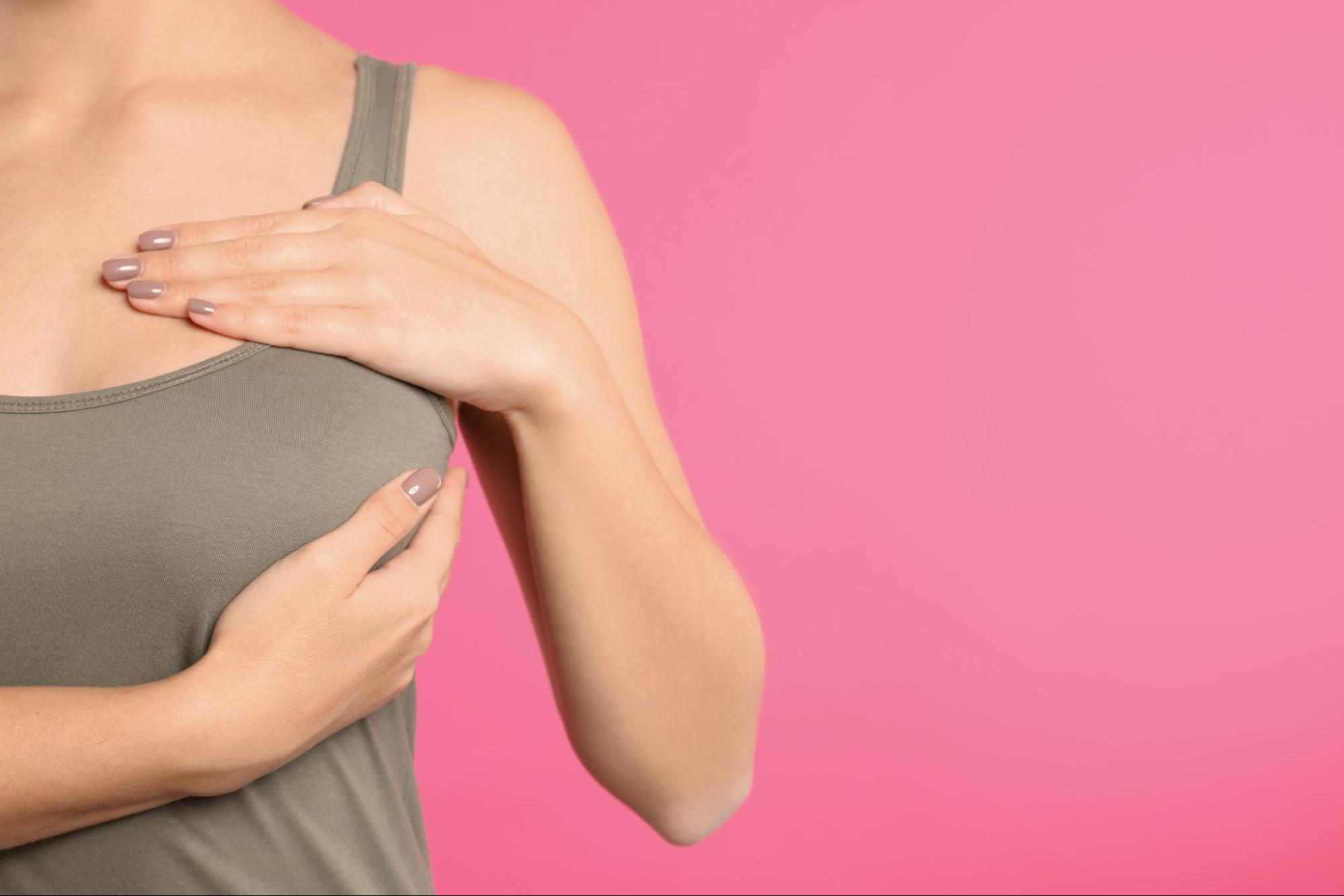
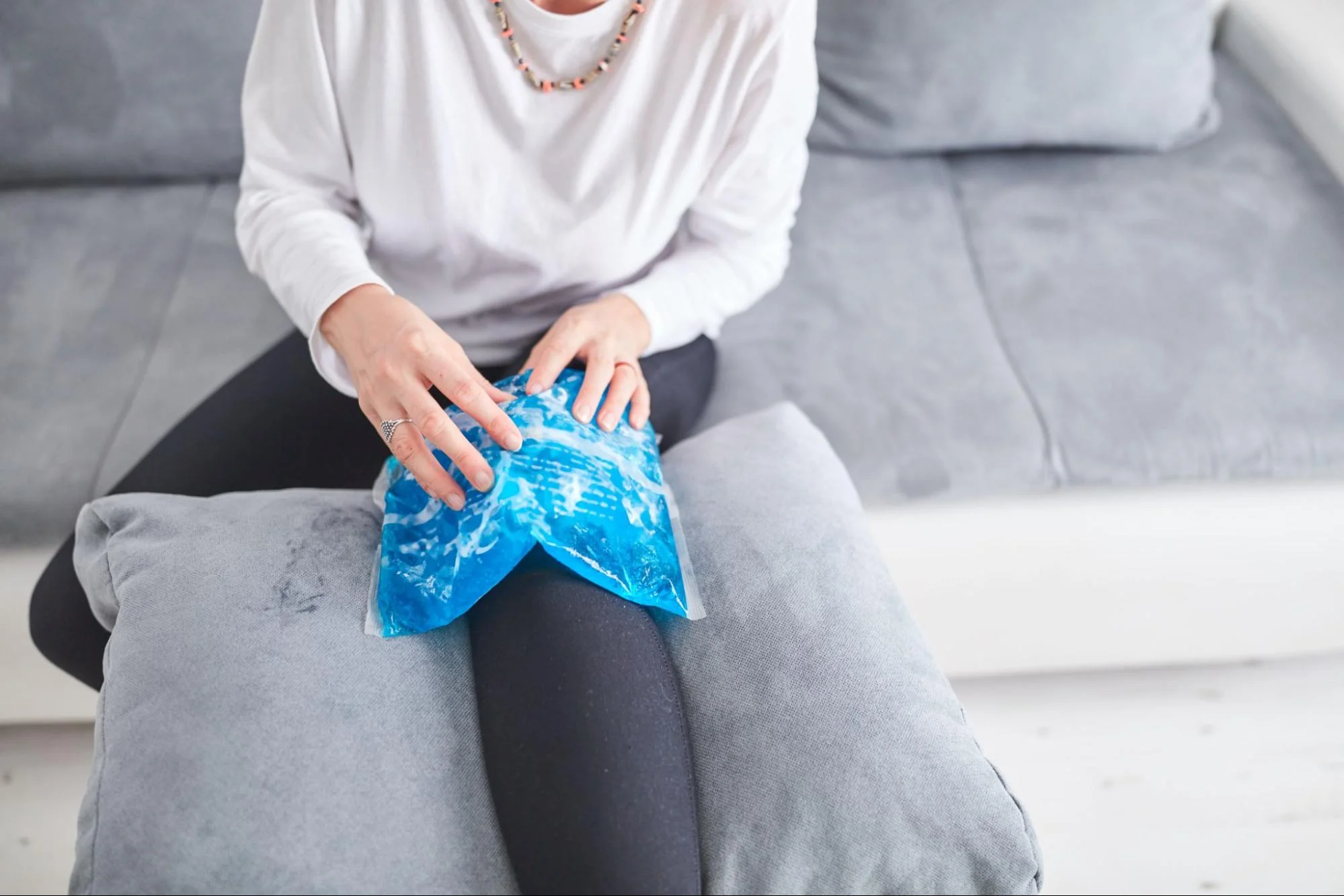
For general lymphatic support, 15–20 minutes of cold therapy, such as applying a cold pack or compress, is usually sufficient to create the beneficial vascular pumping effect without risk of injury. Focus on areas with high lymph node concentrations, such as the neck, armpits, groin, and behind the knees, where stimulating flow has the greatest impact.
Applying a cold compress after exercise helps clear lymphatic waste when the system is most active. Using cold therapy in the evening can also help reduce fluid buildup from a day of sitting or standing, supporting natural detoxification and improving sleep quality.
Cold therapy is most effective when combined with a broader approach, including gentle movement, proper hydration to maintain smooth lymph flow, and a balanced diet to reduce inflammation and support recovery.
Partner with Rapid Aid for Lymphatic Wellness Solutions
We understand that supporting lymphatic health is essential for overall wellness, recovery, and immune function. Our hot and cold therapy solutions are designed to help healthcare providers, wellness facilities, and sports organizations deliver safe, effective, and reliable temperature therapy that supports optimal lymphatic circulation.
With decades of experience in private label and OEM manufacturing, we develop products that meet clinical standards while remaining practical and accessible. If your organization is looking to expand its range of evidence-based, drug-free lymphatic wellness solutions, we invite you to contact us to discuss how our manufacturing expertise can support your goals.
The information we provide is intended for general educational purposes only and should not be considered a replacement for professional or medical advice. If you have specific health concerns or conditions, it is advisable to consult a qualified healthcare professional for personalized guidance.
Frequently Asked Questions
Yes. Cold therapy supports lymphatic drainage through multiple mechanisms. The temperature change stimulates vasoconstriction followed by reactive hyperemia, creating a pumping action that helps move lymph fluid. Cold also triggers contractions in lymphatic vessels and reduces inflammation, allowing the system to function more efficiently.
While cold therapy isn’t a standalone treatment for lymphedema, it can be a helpful component of comprehensive management when used appropriately under medical supervision. Cold application may help reduce inflammation and provide symptomatic relief in some cases. However, lymphedema treatment should always be guided by healthcare professionals specializing in lymphatic disorders, typically involving compression therapy, manual lymphatic drainage, and specific exercises.
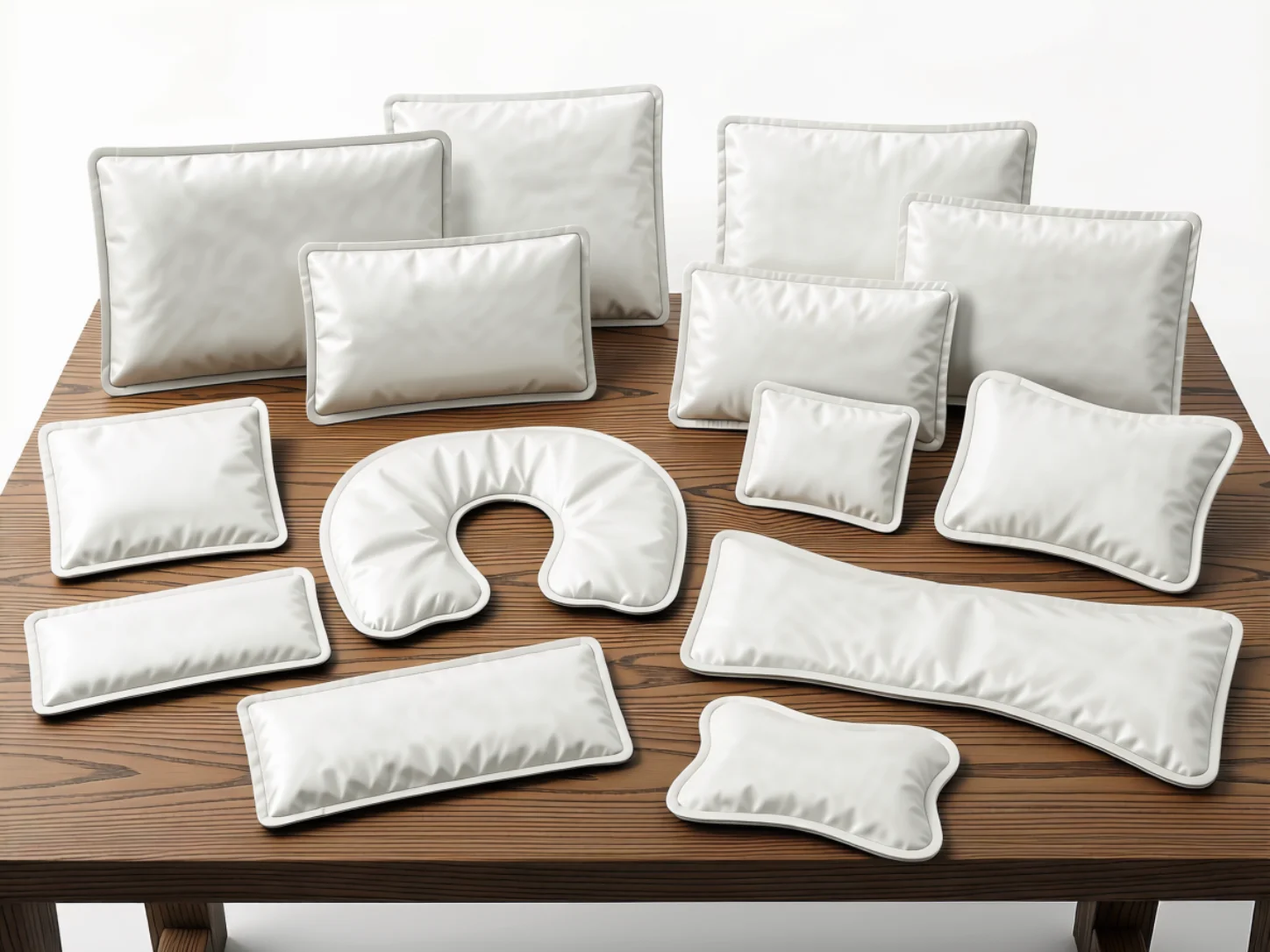
Rapid Aid manufactures a comprehensive range of hot and cold therapy products designed for medical, therapeutic, and sports applications. Our product line includes reusable gel packs in various sizes, specialized wraps and compression systems, instant cold packs, and much more. Explore our full product catalog.
Yes. All Rapid Aid products are designed and manufactured under strict quality control standards to ensure user safety. Each item is tested for consistent temperature performance, durability, and compliance with healthcare regulations. Read more about our commitment to safety and quality.