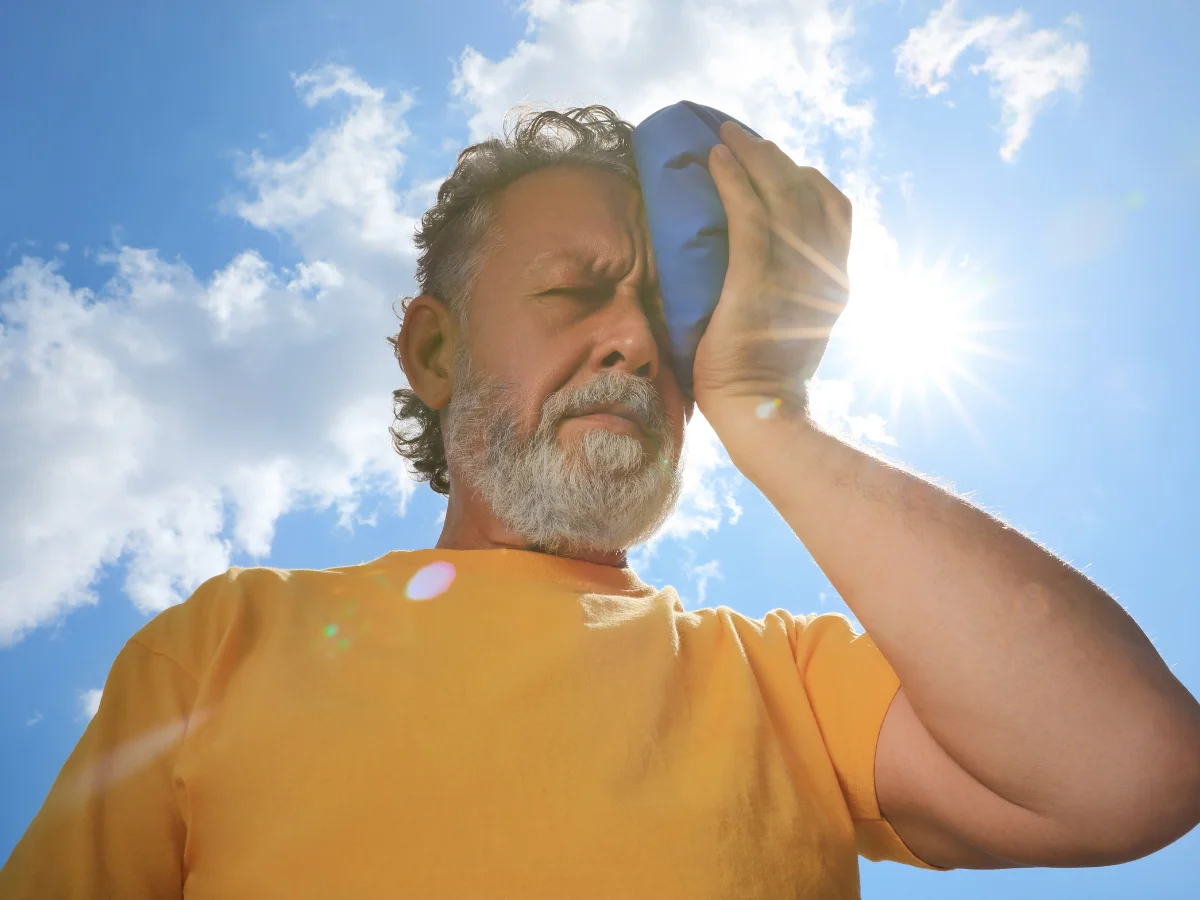
As seniors age, the cumulative impact of years of physical activity begins to present as persistent joint discomfort, muscle stiffness, and localized pain.
Medication can offer relief, but it’s not always the preferred or sustainable option, particularly for patients already managing complex prescriptions. It’s why millions of seniors and care providers are striving to enhance their health and stay fit and active by exploring alternative therapies. One effective way to enhance their daily lives is by incorporating hot and cold therapy into their routine. Thermal therapy offers numerous benefits that can significantly improve seniors’ quality of life, providing targeted relief and soothing comfort without adding complexity to existing care protocols.
The Opportunity: Thermal Therapy in a Growing Senior Care Segment
 The demand for pain management solutions that incorporate hot and cold therapy is experiencing a rapid surge, driven by an aging global population and a shift toward non-invasive, drug-free approaches to managing chronic pain and post-operative recovery.
For retailers, medical distributors, and healthcare suppliers, this isn’t a niche category but a growing, high-frequency demand segment tied directly to long-term care, rehabilitation, and home health. Thermal therapy products are used repeatedly across care settings, making them a reliable, high-utility addition to any senior care offering.
Here’s a closer look at the data shaping the market opportunity in 2026 and beyond:
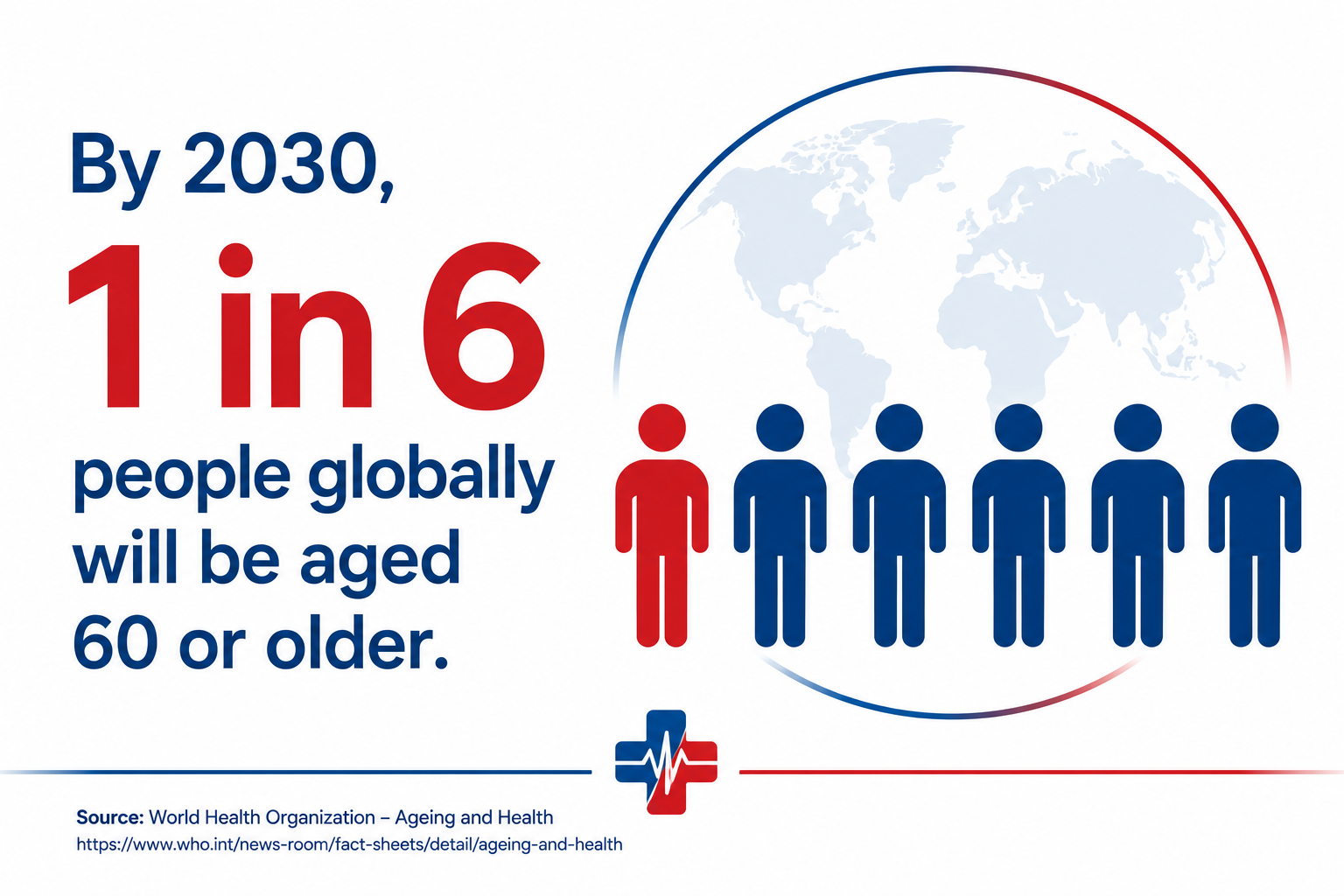
- By 2030, 1 in 6 people globally will be aged 60 or older, driving sustained demand for long-term, non-invasive care solutions to address chronic disease management and long-term care needs.
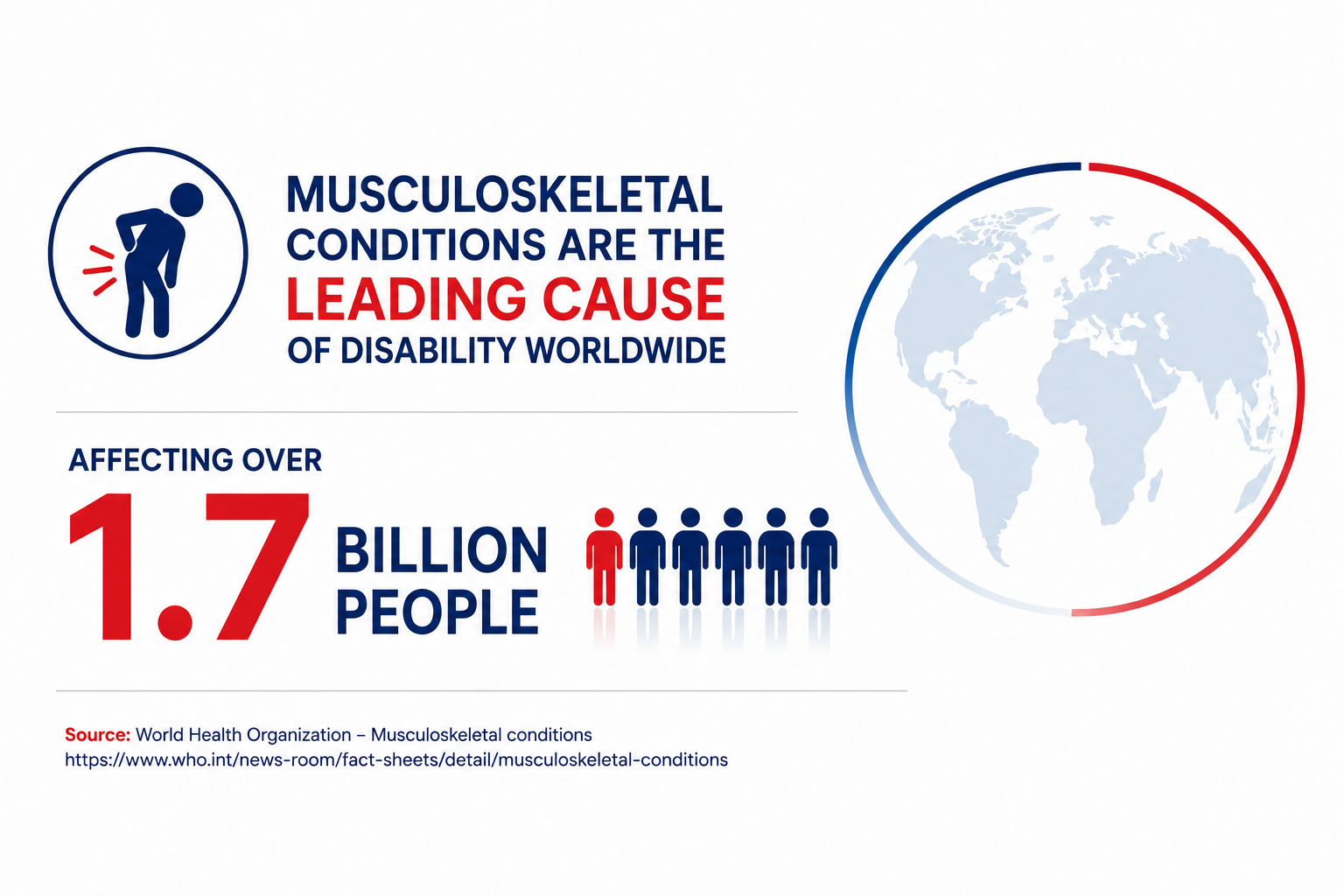
- Musculoskeletal conditions are the leading cause of disability worldwide, affecting over 1.7 billion people (World Health Organization). These conditions disproportionately impact older adults and require ongoing management.
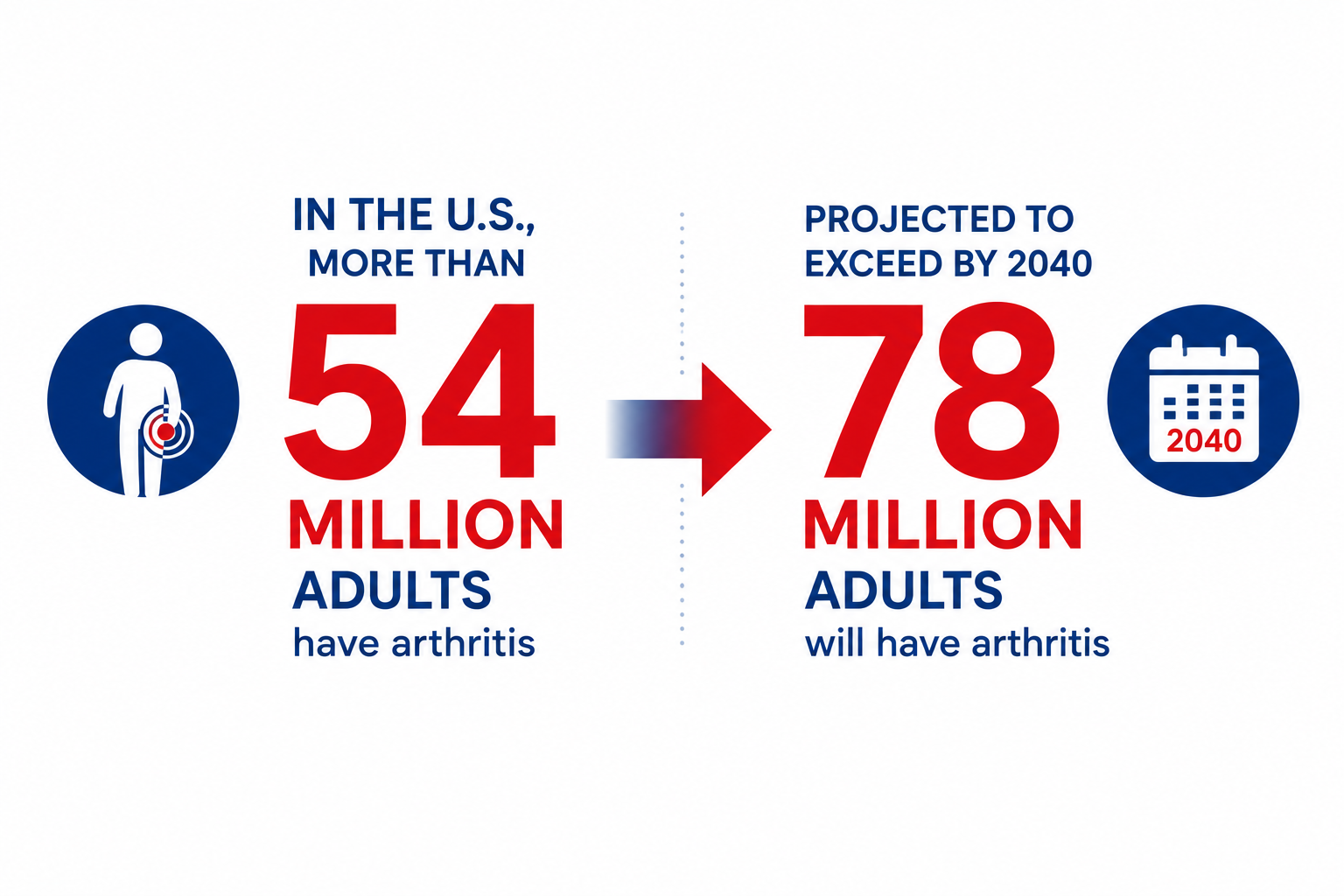
- In the U.S., more than 54 million adults have arthritis, a number projected to exceed 78 million by 2040 (Centers for Disease Control and Prevention). Arthritis alone is a primary driver of pain and mobility limitations in seniors.
- At the same time, polypharmacy (use of multiple medications) affects approximately 40% of older adults, increasing the need for non-drug pain management options.
Senior care is increasingly focused on managing chronic and mobility limitations, highlighting the need for simple, non-invasive solutions that integrate easily into existing care strategies. These approaches also help reduce reliance on medication while supporting safer, more consistent symptom management.
Hot and Cold Therapy: A Convenient and Safe Solution for Aging Bodies
 Hot and cold therapy, also known clinically as thermotherapy and cryotherapy, is a time-tested method for managing pain, reducing inflammation, and promoting healing. It uses controlled temperature changes to trigger different responses in the body that may support circulation and recovery when done correctly and safely.
The choice between heat, cold, or a combination depends on the nature, cause, and stage of the injury or condition.
When to Choose Hot Therapy
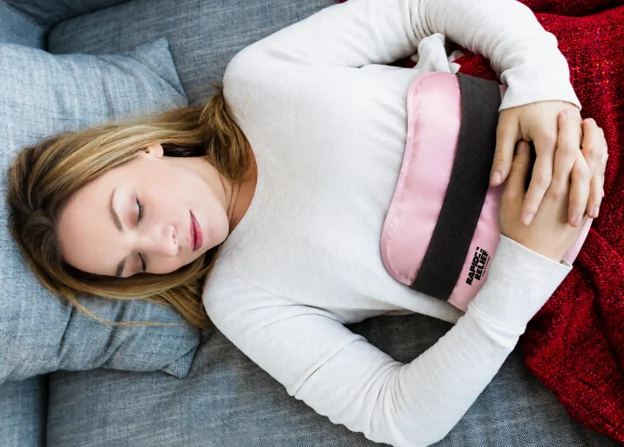
Applying a heat pack induces vasodilation, which increases blood flow to targeted tissues. For seniors, this process delivers a surge of oxygen and nutrients to stiff, aching joints and muscles. Beyond simple relaxation, gentle heat therapy directly addresses the mechanical issues of aging joints by reducing synovial fluid viscosity. This makes the fluid inside the joint thinner and more lubricating, which significantly reduces the friction that causes pain during movement.
Optimal applications for seniors:
- Morning Stiffness/Neck Pain: Applying heat for 15 to 20 minutes before daily activity improves joint elasticity and reduces pain at the onset of movement.
- Arthritis Pain (Knee, Hip, Hand, Back): According to experts at the Arthritis Foundation, applying heat is a highly recommended, drug-free method for managing chronic stiffness, pain, and tension in joints.
- Chronic Back Pain: As one of the most frequent senior complaints, heat is a primary, drug-free intervention recommended by clinical guidelines.
- Residual stiffness or discomfort: Useful for lingering tightness following previous injuries, surgeries, or healed fractures.
- Circulatory Support: Passive heat therapy supports vascular health in patients with limited mobility who cannot engage in regular cardiovascular exercise.
- Inactivity-related stiffness or deconditioning: Helps relax muscles in patients with reduced activity levels or prolonged sitting.
- Cold sensitivity and reduced peripheral circulation: Supports comfort and joint mobility in colder environments, where symptoms often worsen.
- Bedtime support: Applying heat before sleep can ease nighttime aches and improve comfort for better rest.
When Cold Therapy Works Best: Controlling Inflammation and Acute Pain
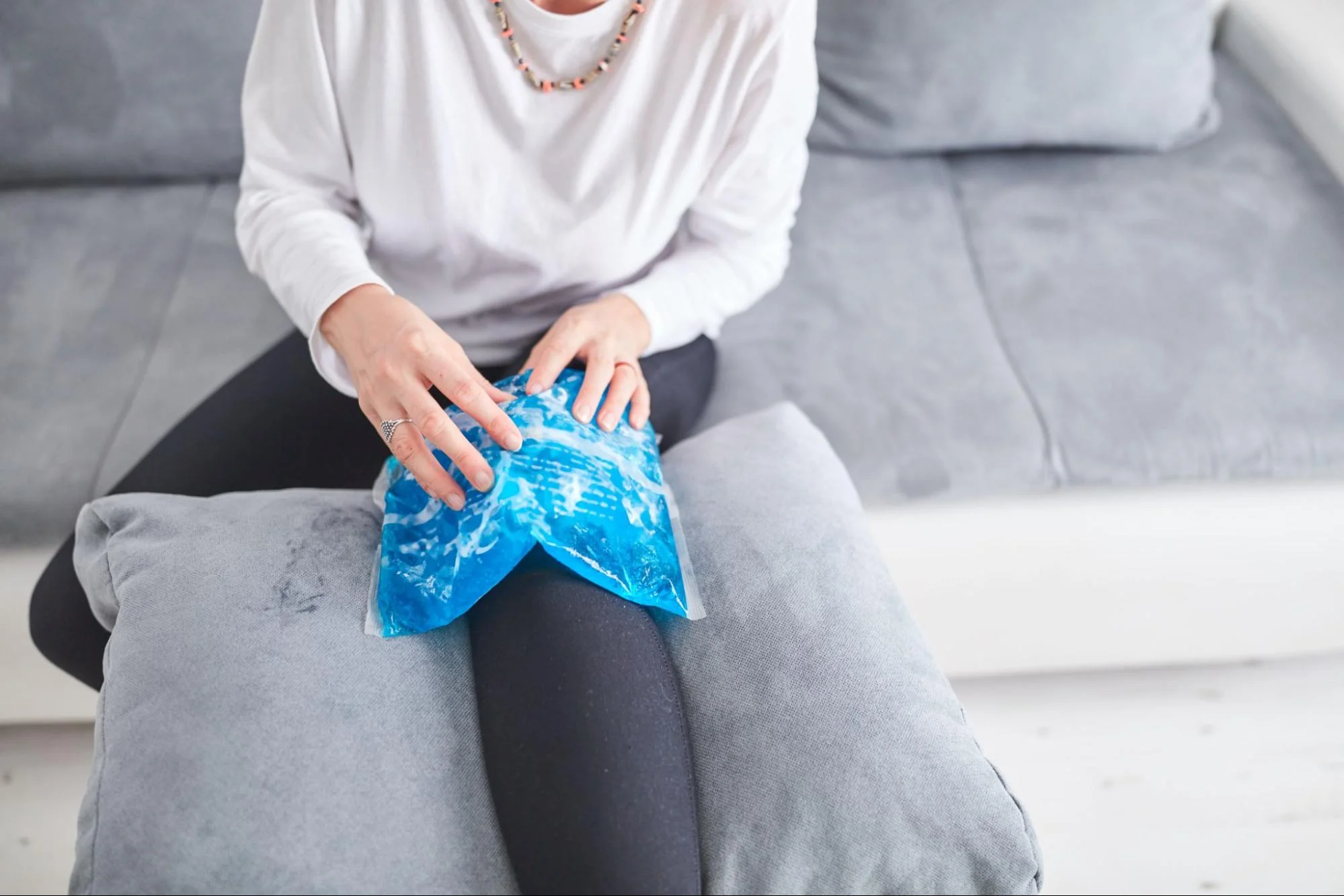
 Cold therapy works through vasoconstriction, which shrinks blood vessels to limit fluid buildup and reduce swelling. While heat loosens and relaxes tissue, cold calms the body’s inflammatory response and helps control acute pain. By cooling nerve activity, cold therapy, whether via ice therapy, immersion, or a cold compress, acts as a natural analgesic, slowing down the pain signals sent to the brain.
For best results, cold therapy should be applied for 10–20 minutes at a time, several times a day. It’s most effective when used immediately after an injury, flare-up, or physical activity, particularly within the first 48–72 hours.
Applications for seniors:
- Acute Injury and Trauma: Applying a cold pack helps limit swelling and relieve pain immediately after falls, sprains, or soft-tissue injuries.
- Post-Surgical Recovery: Used after procedures such as knee and hip replacements, rotator cuff repairs, and spinal surgeries to reduce swelling, manage pain, and support early recovery.
- Inflammatory Arthritis Flares: During active flare-ups of conditions like osteoarthritis, cold is superior to heat for reducing heat and redness in the joints.
- Post-activity inflammation: Helps prevent or reduce swelling after rehabilitation exercises or increased physical activity.
- Joint swelling (knee, ankle, wrist, shoulder): Common in seniors with degenerative or overuse conditions.
- Neuropathic Pain and Migraines: Cold wraps applied to the temples or the base of the neck are a well-supported, non-pharmacological option for managing nerve-related headaches.
Contrast Therapy for Chronic Pain
Contrast therapy involves alternating between hot and cold. This creates a “vascular pumping” effect in the circulatory system, expanding blood vessels with heat and constricting them with cold, which may improve nutrient delivery and waste removal in aging tissues.
For older adults, this approach can be useful in managing ongoing pain and supporting recovery, particularly when both stiffness and inflammation are present. For example, heat can be applied in the morning to ease stiffness in an osteoarthritic knee, followed by cold therapy later in the day to manage any swelling.
When used thoughtfully, contrast therapy can be part of a healthy aging routine, but it should never replace professional medical advice or individualized care. Seniors considering giving any of these therapies a try should discuss it with their doctors first.
Safety Considerations for Seniors
Hot and cold therapy is safe and effective, but like any treatment, it works best when used correctly. For older adults, extra care is needed due to thinner skin, reduced sensation due to nerve damage, and underlying conditions such as diabetes, Raynaud’s disease, peripheral vascular issues, and cold urticaria, which can affect how temperature is perceived.
Furthermore, applications should be limited to short intervals (15–20 minutes) and should include a protective barrier between the product and the skin to prevent injury. It’s also important to match the modality to the specific condition being treated. Read more about the mistakes to avoid when using hot and cold packs.
How to Choose the Best Hot and Cold Therapy for Older Adults
When selecting thermal therapy solutions for a senior population, procurement and clinical teams must look beyond “one-size-fits-all” retail products. The goal is to find medical-grade tools that prioritize safety, ease of use, and anatomical precision.
Key standards to look for include:
Gentle Barrier Protection for Sensitive Skin. Older skin is often thinner and more prone to thermal injury. Prioritize products that include integrated soft-touch covers or non-woven backings. These provide a built-in barrier that allows for direct-to-skin application.
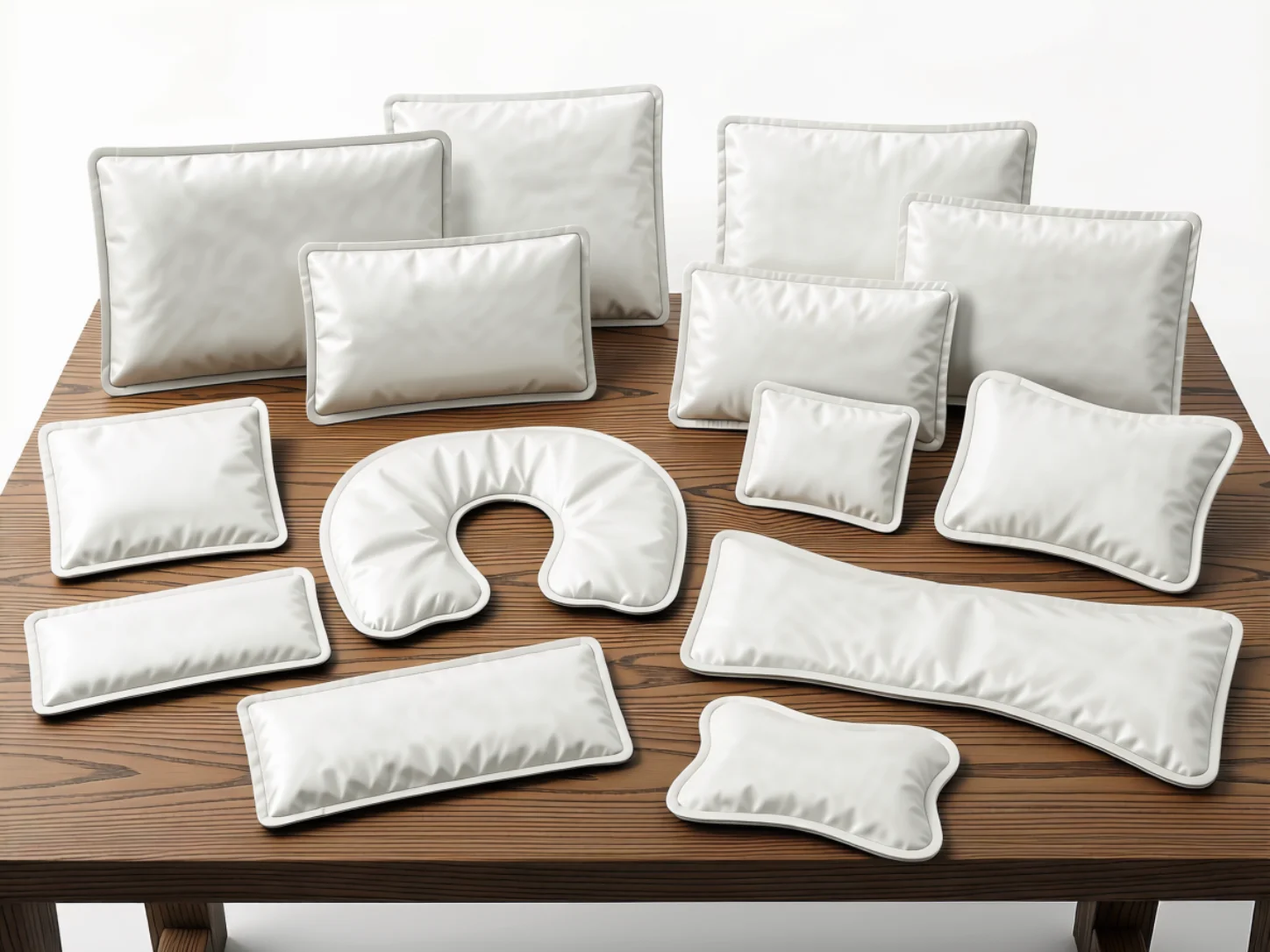
Anatomical Contouring for Maximum Surface Area. Standard rectangular packs often leave gaps, reducing the treatment’s effectiveness. Look for patch shapes and wraps designed to fit specific body parts, an approach supported by Rapid Aid solutions such as:
- Reusable joint pain wraps that stay in place and add compression
- Lumbar wraps or heated bands for lower back pain
- Neck and shoulder wraps are suited for seated or resting positions
- Calf or leg wraps to support lower-body circulation
- Eye masks for targeted relief of headaches or eye strain
- Gel slippers for foot discomfort and plantar support
Lightweight and Breathable Materials. For seniors managing chronic pain, comfort is key to compliance. Choose wraps made from breathable materials that prevent moisture buildup and skin irritation during extended wear.
Odorless and Drug-Free Design. To avoid interfering with existing medical treatments or causing respiratory discomfort, ensure all gel formulations are non-toxic, odorless, and 100% drug-free.
Reusable And Durable Construction. Enables versatile, repeat therapy for seniors while supporting dependable product performance and sustained demand over time.
Suitable For Multi-Channel Distribution. Designed to work across institutional care, home healthcare, and retail environments.
Rapid Aid’s thermal therapy range is developed with these exact requirements in mind, offering reliable, medical-grade options for senior care applications.
Ready To Upgrade Your Senior Care Inventory With High-Demand Thermal Solutions from Rapid Aid?
We offer the flexibility to source across multiple formats — reusable gel packs, instant packs, moist heat options, and private-label solutions, all from a single FDA-registered manufacturer with over 50 years in the category.
Whether you’re equipping a skilled nursing facility, building out a home care discharge kit, or expanding your retail health aisle, we have the products and the expertise to help you get it right.
Contact us today to discuss your requirements, request samples, or explore partnership opportunities.