Cold therapy works best in the first 24 to 72 hours after an acute injury, when the goal is to reduce swelling, blunt pain, and slow inflammation at the injury site. Apply it too late, and you’ve largely missed the window where it’s most effective. Apply heat during that same early window, and you risk making the swelling worse.
That’s the core rule — but the nuance matters considerably more than people expect.
The Biology Behind the Timing
Swelling is the body’s protective mechanism, not a sign that something has gone catastrophically wrong. When tissue is damaged, blood vessels dilate, and fluid rushes in to isolate the area and begin repair. Cold therapy works by temporarily constricting those vessels, slowing the fluid influx and reducing the intensity of the inflammatory response.
That’s why timing is so critical. During the acute phase — roughly the first 48 to 72 hours after injury — inflammation is active and cold application is genuinely useful. After that window closes and the tissue moves into the proliferative repair phase, cold therapy becomes far less relevant. What was appropriate on day one may do little on day five, and heat becomes the better tool for loosening stiff tissue and promoting circulation.
Understanding this shift is what separates effective home care from reflexive ice-pack application that continues well past its usefulness.
Injuries That Respond Well to Cold Therapy
Not every injury is a good candidate for a cold pack, even early on. The injuries that respond most effectively are those characterized by acute trauma, rapid swelling, and localized inflammation.
- Ankle and wrist sprains — soft tissue tearing triggers immediate fluid accumulation; cold slows it down
- Muscle strains — acute tears in muscle fibers benefit from reduced inflammatory activity in the first day or two
- Contusions (bruises) — blunt trauma with visible swelling and discoloration
- Tendinitis flare-ups — sudden, activity-induced inflammation responds well to post-activity cold
- Post-exercise soreness — especially after high-intensity sessions where localized muscle inflammation is significant
- Minor burns — cool (not ice-cold) application can reduce skin temperature and limit damage in the immediate moments after a burn
You can read more about summer sports injuries that respond well to cold therapy for a closer look at activity-specific applications.
When Cold Therapy Is Typically Not the Right Choice?
Cold therapy is typically avoided and should only be used with explicit clinician approval in situations such as:
- Chronic muscle tightness or stiffness without an acute injury component (heat is almost always more appropriate here)
- Old injuries beyond the acute phase where the tissue is stiff rather than inflamed
- Poor circulation in the affected area, where vasoconstriction could reduce already-limited blood flow
- Reduced skin sensation, where the person may not feel a cold pack getting too cold and causing a thermal injury
- Open wounds or compromised skin integrity
- Raynaud’s disease or cold hypersensitivity
Post-surgical swelling sits in a separate category. Cold therapy is commonly used in post-surgical recovery for procedures like joint replacement, but timing, duration, and application method must follow the clinical care team’s instructions—the team managing your recovery has information specific to your procedure and condition that general guidance cannot account for. Their instructions take precedence. We’ve previously covered how to navigate hip or knee replacement recovery with hot and cold therapy.
There’s also a broader clinical picture here worth understanding — hot and cold therapy contraindications are more nuanced than most product labeling conveys. Understanding when temperature therapy is unsafe, and for which patients, helps your team recommend and use these products correctly.
How to Apply a Cold Pack Correctly?
Getting the application wrong is one of the most common ways people undermine what’s otherwise a sensible treatment decision. The two most frequent mistakes: applying cold directly to the skin (which can cause frostbite or thermal injury) and leaving it on far too long.
A general approach that works well for most acute injuries:
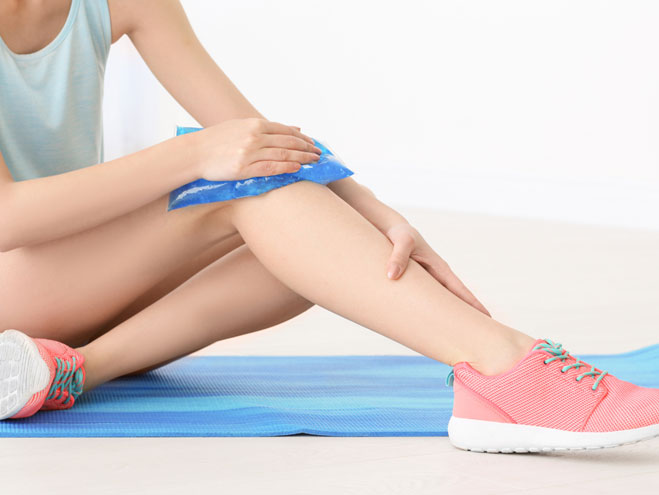
- Always place a cloth barrier — a thin towel or sleeve — between the cold pack and bare skin
- Apply for 15 to 20 minutes at a time
- Allow at least 40 to 60 minutes between applications before reapplying
- Repeat several times per day during the acute phase (typically the first 48 to 72 hours)
- Elevate the injured area during application when possible to further reduce swelling
If you experience increased pain, numbness, or skin color changes during application, remove the pack immediately. Skin should not go from cold to numb to white — that progression indicates you’ve exceeded safe application time or the pack is too cold.
You can find a more detailed breakdown of common mistakes to avoid when using hot or cold packs if you want to sharpen your technique before the next application.
Choosing the Right Cold Pack for the Injury
The type of cold pack matters more than most people realize when they’re reaching for whatever’s in the freezer. There are three main formats, each suited to different situations:
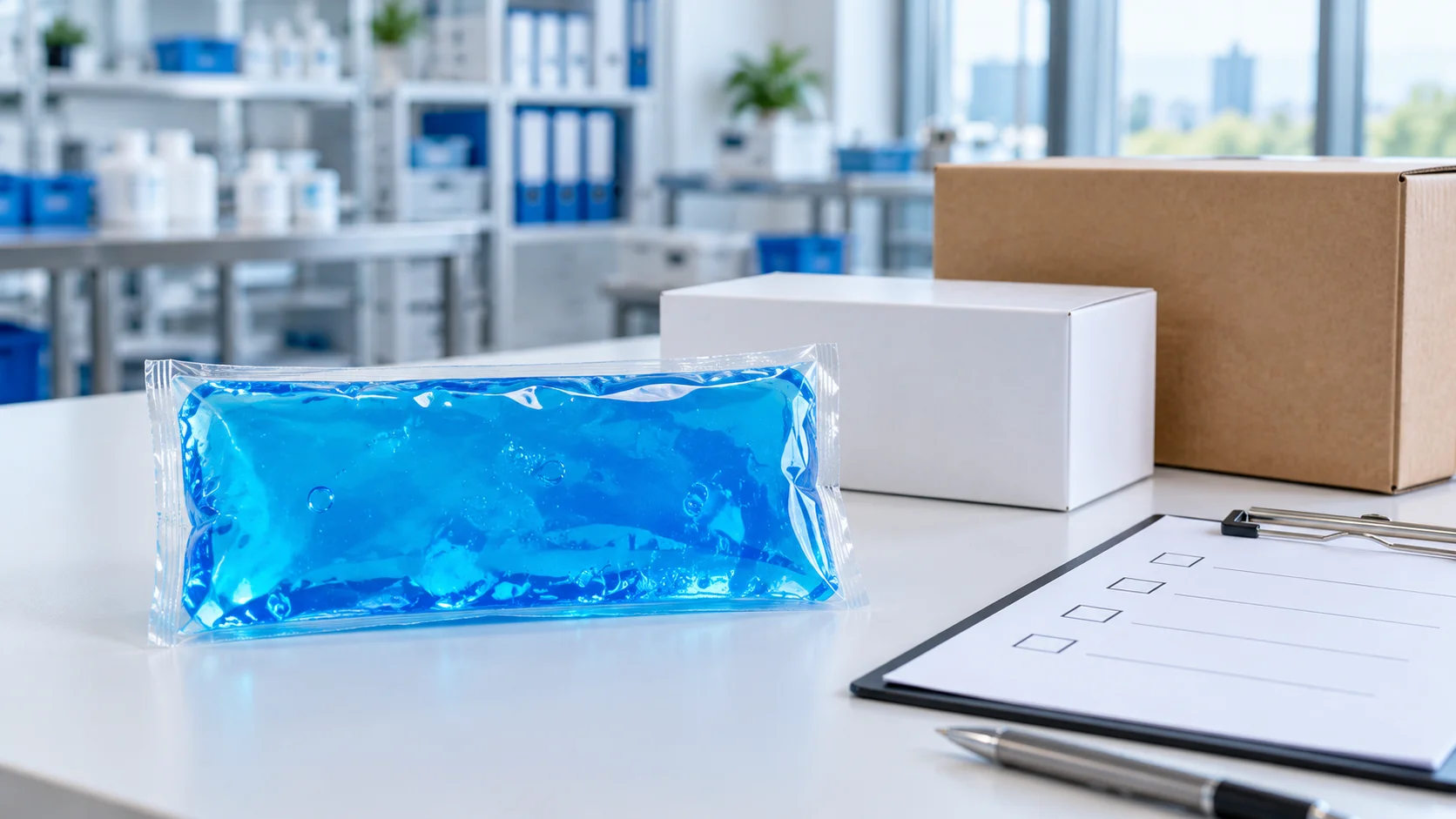
- Instant cold packs activate on demand without refrigeration — you squeeze, shake, or fold to initiate the chemical reaction. These are ideal for first-response situations: a sports sideline, a workplace first aid kit, or anywhere you don’t have freezer access. Our instant cold packs are built for reliability in exactly these contexts, used across healthcare, retail, and occupational settings where access to refrigeration isn’t guaranteed.
- Reusable gel packs go in the freezer and can be used repeatedly, making them the practical everyday choice for athletes or people managing recurring injuries. They conform better to body contours than a hard ice pack and maintain a consistent, safer temperature than ice water.
- Contour-shaped gel packs are designed to fit specific body parts — knees, elbows, shoulders — which matters because flat packs lose contact with curved anatomy. A pack that doesn’t maintain contact with the skin can’t deliver consistent temperature therapy to the tissue underneath.
For a detailed comparison of how to match pack type to injury type, choosing the best hot and cold pack walks through the key decision factors.
How We Think About Cold Therapy Product Design?
Each cold therapy format is built for a specific use case. Instant packs suit first aid kits and settings without a freezer, while reusable gel packs serve repeated clinical and home use. Shape matters just as much: a flat gel pack sits well on a forearm, but a bent knee needs a contoured pack that stays in contact through the joint’s curve.
Rapid Aid’s product line is built around these functional distinctions, which is why we maintain both instant and reusable formats across multiple form factors. The underlying question we ask when developing any cold therapy product is whether it can reliably deliver the right temperature to the right tissue for the right duration, and whether the person using it can do so safely without clinical supervision. That’s a higher bar than most people expect from a cold pack, and it’s the bar that separates products designed for therapeutic use from products designed to look like they belong in a first aid kit.
When to Transition from Cold to Heat?
The shift from cold to heat shouldn’t happen on a fixed schedule — it should happen when the injury transitions from the acute inflammatory phase to the subacute or recovery phase. The clearest signal is the absence of new swelling and the onset of stiffness.
Once a sprained ankle is no longer swelling (usually after 48 to 72 hours) but feels tight and limits range of motion, heat becomes more useful. It relaxes muscle tissue, increases blood flow, and supports the flexibility work needed for recovery. For a deeper look at this decision, our article on heat vs. ice therapy covers the clinical reasoning behind switching modalities.
Some protocols do use contrast therapy — alternating between cold and heat — during the transition phase. This approach can support circulation without sustaining the vasodilation that worsens acute swelling, though it’s worth discussing with a healthcare provider before using it for anything beyond minor muscle soreness.
Ready to Explore the Right Cold Therapy Product for Your Needs?
Knowing when to use a cold pack is only half the equation — having the right pack available at the right moment is the other half. Whether you’re building out a home recovery kit, stocking a sideline bag, or simply want a more reliable option than a bag of frozen peas, the format and quality of the product you use directly affects how well the therapy works. Take a look at our cold packs and hot packs for swelling relief to see the options available, or speak with your healthcare provider to confirm the right approach for your specific injury and recovery stage.
FAQ’s
How long should I keep a cold pack on an injury?
Most guidelines recommend 15 to 20 minutes per application, with at least 40 to 60 minutes between sessions. Leaving a cold pack on longer doesn’t improve results and increases the risk of a cold burn or frostbite, especially if you apply it directly to the skin. Always use a cloth barrier between the pack and skin.
Is it too late to use a cold pack after 48 hours?
Cold therapy is most effective during the first 48 to 72 hours after an acute injury, when active inflammation dominates. After that window, the tissue typically shifts toward repair and remodeling, and heat becomes more appropriate for loosening stiffness. If a patient still has warmth and swelling beyond 72 hours, consult a healthcare provider—this requires professional evaluation.
Can I use a cold pack on a bruise?
Yes, during the first 24 to 48 hours, a cold pack can help limit the spread of the bruise by reducing blood vessel dilation and slowing fluid accumulation. After the bruise has stabilized and the area is no longer swelling, gentle heat may help the body reabsorb the pooled blood more efficiently. Always use a cloth barrier and limit application to 15 to 20 minutes at a time.
What’s the difference between a reusable gel pack and an instant cold pack?
Instant cold packs activate through a chemical reaction when squeezed or folded — no freezer required, which makes them practical for first aid kits and on-the-go situations. Reusable gel packs are pre-chilled in a freezer and can be used repeatedly over time, making them the better long-term option for athletes or anyone managing recurring inflammation. The right choice depends on whether you need portability or repeatability.
Can cold therapy make an injury worse?
Applying cold too early to a muscle cramp, to stiff tissue without inflammation, or to an injury with poor local circulation can be counterproductive. Cold applied without a cloth barrier or left on too long risks skin or tissue damage. And applying cold to an old, stiff injury instead of heat is one of the more common misapplications we see — it typically worsens the tightness rather than relieving it.
Should I use a cold pack or heat for back pain?
It depends on whether the pain is acute or chronic, and whether inflammation is actively present. For a sudden back strain with localized swelling or heat at the site, cold therapy in the first 24 to 48 hours is generally more appropriate. For ongoing muscle tightness, chronic stiffness, or general tension without an acute injury component, heat tends to work better. When in doubt, a healthcare provider can assess which approach fits your specific situation.