Lower back pain is a major health concern affecting millions worldwide, often leading to discomfort, limited mobility, and missed workdays. It can range from a mild, temporary ache to a persistent and severe pain that affects daily life.
This condition is not only physically challenging but can also have emotional and mental effects, making it difficult for individuals to focus, sleep, or even move comfortably.
Understanding the nature of lower back pain, from occasional flare-ups to more chronic forms, is key to finding relief and improving overall quality of life.
Lower back pain can be caused by a variety of factors, including poor posture, muscle strain, injury, or underlying medical conditions such as herniated discs, arthritis, or sciatica. Lifestyle choices, such as prolonged sitting, lack of exercise, or carrying excess weight, can exacerbate the condition.
Aging is also a common contributor, as the spine naturally undergoes wear and tear over time, leading to degenerative changes that can cause pain.
Lower back pain is localized in the lumbar region, between the lower ribcage and the tailbone. This part of the spine supports much of the body’s weight and is involved in almost every movement, making it particularly susceptible to injury and strain.
Lower back pain is a common issue that affects people of all ages. It can be disruptive and uncomfortable, whether it’s a dull ache or a sharp pain.
Understanding the causes, symptoms, and treatments for lower back pain can help you manage the condition effectively and get back to your daily activities.
Lower back pain can be classified based on its duration, severity, and underlying cause:
Acute Lower Back Pain: Typically lasts from a few days to a few weeks. It often results from a sudden injury or strain and is usually self-limiting, meaning it resolves on its own with minimal intervention.
Chronic Lower Back Pain: Persists for 12 weeks or longer, even after treating the initial injury or underlying cause. Chronic pain may stem from degenerative changes in the spine and can significantly impact daily activities and quality of life.
Subacute Lower Back Pain: Falls between acute and chronic, lasting six weeks to three months. This type often needs more active treatment and rehabilitation to prevent it from becoming chronic.
To fully comprehend lower back pain, it’s important to understand the anatomy of the lower back:
Vertebrae: The lower back consists of five lumbar vertebrae (L1-L5), which are the largest and strongest in the spine, designed to support the bulk of the body’s weight.
Intervertebral Discs: These are soft, gel-like cushions between the vertebrae that act as shock absorbers, allowing for flexibility and movement.
Muscles and Ligaments: The muscles and ligaments in the lower back support and stabilize the spine, helping with movement and posture.
Spinal Cord and Nerves: The spinal cord runs through the vertebral column, with nerves branching out to control various bodily functions and sensations.
Lower back pain can arise from various causes, ranging from simple muscle strains to more complex issues involving the spine. Understanding these causes is important for effective treatment and prevention.
One of the most common reasons for lower back pain is related to the movement and function of the spine and the muscles around it:
Muscle Strain and Ligament Sprain: Overuse, poor posture, or lifting heavy objects incorrectly can strain the muscles and ligaments in your back, leading to pain and stiffness.
Herniated Disc: Also known as a slipped or ruptured disc, this occurs when the soft inner material of a disc pushes out through the tough outer layer, pressing on nearby nerves. This can cause significant pain, especially if it affects the sciatic nerve, leading to sciatica.
Facet Joint Problems: The facet joints are small joints in your spine that help with stability and movement. Issues or arthritis in these joints can lead to lower back pain.
Structural abnormalities or degeneration in the spine can lead to chronic lower back pain:
Degenerative Disc Disease: With age, the intervertebral discs lose hydration and elasticity, reducing their ability to cushion the spine. This can lead to pain and decreased mobility.
Spinal Stenosis: This condition involves the narrowing of the spinal canal, which can compress the spinal cord and nerves, leading to pain, numbness, and weakness, particularly in the legs.
Spondylolisthesis: A condition where one vertebra slips forward over the one below it, causing instability and pain.
Injuries from accidents falls, or sports can cause fractures or other damage to the spine:
Compression Fractures: Often caused by osteoporosis, these fractures occur when the vertebrae collapse due to weakened bones.
Sprains and Strains: These are common in athletes and can result from overstretching or tearing of muscles and ligaments.
Several medical conditions can contribute to lower back pain:
Arthritis: Osteoarthritis and rheumatoid arthritis can affect the spine, causing pain, stiffness, and reduced range of motion.
Infections: Infections such as osteomyelitis (infection of the bone) or discitis (infection of the intervertebral disc) can cause severe pain and require prompt treatment.
Cancer: Tumors in the spine, whether primary or metastatic, can cause persistent back pain.
Kidney Stones or Infections: These conditions can cause referred pain to the lower back, often accompanied by other symptoms like fever or painful urination.
Certain lifestyle choices can increase the risk of developing lower back pain:
Sedentary Lifestyle: Lack of physical activity can weaken the muscles that support the spine, leading to pain and discomfort.
Poor Posture: Sitting or standing with poor posture for extended periods can strain the lower back.
Obesity: Excess body weight puts additional stress on the lower back, contributing to pain and degeneration.
Mental and emotional health can also play a role in lower back pain:
Stress and Anxiety: Chronic stress and anxiety can lead to muscle tension and spasms in the lower back.
Depression: Individuals with depression may experience lower back pain due to decreased physical activity, poor posture, and heightened sensitivity to pain.
The symptoms of lower back pain can vary widely, depending on the cause and severity. Understanding these symptoms can help identify the underlying issue and seek appropriate treatment.
Dull, Aching Pain: A constant, low-level pain that doesn’t go away, often exacerbated by sitting or standing for long periods.
Sharp, Stabbing Pain: Sudden, intense pain that can make movement difficult, often associated with injuries or herniated discs.
Radiating Pain: Pain that travels down the leg, typically indicating nerve involvement, such as sciatica.
Stiffness: Difficulty moving or bending due to tight muscles or joint issues.
Muscle Spasms: Involuntary muscle contractions that cause sharp pain and limit movement.
Numbness or Tingling: Especially in the legs or feet, which may indicate nerve compression.
Accurate diagnosis is essential for effective treatment. Diagnosing lower back pain involves a thorough evaluation of medical history, physical examination, and often imaging tests.
Your healthcare provider will start by gathering information about your symptoms:
Onset of Pain: When did the pain start? Was it sudden or gradual?
Location and Nature of Pain: Is the pain localized, or does it radiate? Is it sharp, dull, or burning?
Activity and Lifestyle: What activities seem to trigger or worsen the pain? Do you have a sedentary job or engage in heavy lifting?
Previous Injuries or Conditions: Have you had previous back injuries or conditions like arthritis or osteoporosis?
Family History: Is there a history of back problems or related conditions in your family?
During the physical exam, your doctor will assess:
Range of Motion: How well you can bend, twist, and move your lower back.
Posture and Gait: How you stand and walk, looking for any abnormalities or signs of pain.
Muscle Strength and Reflexes: Testing the strength of your back, legs, and feet, as well as reflexes, to check for nerve involvement.
Palpation: Feeling the spine and surrounding muscles for tenderness, spasms, or abnormalities.
If further investigation is needed, your doctor may recommend imaging tests:
X-rays: Useful for detecting bone fractures, alignment issues, and arthritis.
MRI (Magnetic Resonance Imaging): Provides detailed images of soft tissues, including discs, muscles, and nerves. It’s particularly useful for identifying herniated discs or nerve compression.
CT Scan (Computed Tomography): Combines X-ray images to create a detailed cross-sectional view of the spine. It’s often used when MRI is not an option.
Bone Scans: Helpful in detecting fractures, infections, or tumors in the bones.
Electromyography (EMG): Measures electrical activity in the muscles to diagnose nerve compression or other nerve-related issues.
To fully comprehend lower back pain, it’s important to understand the anatomy of the lower back:
Vertebrae: The lower back consists of five lumbar vertebrae (L1-L5), which are the largest and strongest in the spine, designed to support the bulk of the body’s weight.
Intervertebral Discs: These are soft, gel-like cushions between the vertebrae that act as shock absorbers, allowing for flexibility and movement.
Muscles and Ligaments: The muscles and ligaments in the lower back support and stabilize the spine, helping with movement and posture.
Spinal Cord and Nerves: The spinal cord runs through the vertebral column, with nerves branching out to control various bodily functions and sensations.
There are several ways to treat lower back pain, depending on the cause and severity. Most treatments aim to relieve pain, improve function, and prevent future issues. Here are some common approaches:
In the first few days of lower back pain, it’s important to rest and avoid activities that could make the pain worse. However, it’s also crucial not to rest for too long. Staying active with gentle movements, like walking, can help keep your muscles strong and prevent stiffness.
 A physical therapist can work with you to create an exercise program that strengthens the muscles around your spine. These exercises can improve your posture, flexibility, and overall strength, reducing the risk of future injuries.
Strengthening Exercises: Focus on exercises that target the core muscles, including the abdominals, back muscles, and hips. A strong core provides better support for your spine.
Stretching: Regular stretching can help keep your muscles flexible and reduce tension in the lower back. Stretching exercises should be done gently to avoid overstretching or causing further injury.
Posture Training: A physical therapist can also teach you how to maintain good posture, both when sitting and standing. This can help reduce strain on your lower back.
Medications can help manage lower back pain, especially if it’s severe or persistent. Here are some common options:
Over-the-Counter Pain Relievers: Nonsteroidal anti-inflammatory drugs (NSAIDs) like ibuprofen or aspirin can reduce pain and inflammation. Acetaminophen (Tylenol) is another option for pain relief, though it doesn’t reduce inflammation.
Muscle Relaxants: A doctor might prescribe muscle relaxants if muscle spasms are causing pain. These medications can help relieve spasms and reduce pain, but they’re usually only used for short periods.
Prescription Medications: In cases of severe pain, stronger medications like opioids might be prescribed. However, these are typically a last resort due to the risk of addiction and other side effects.
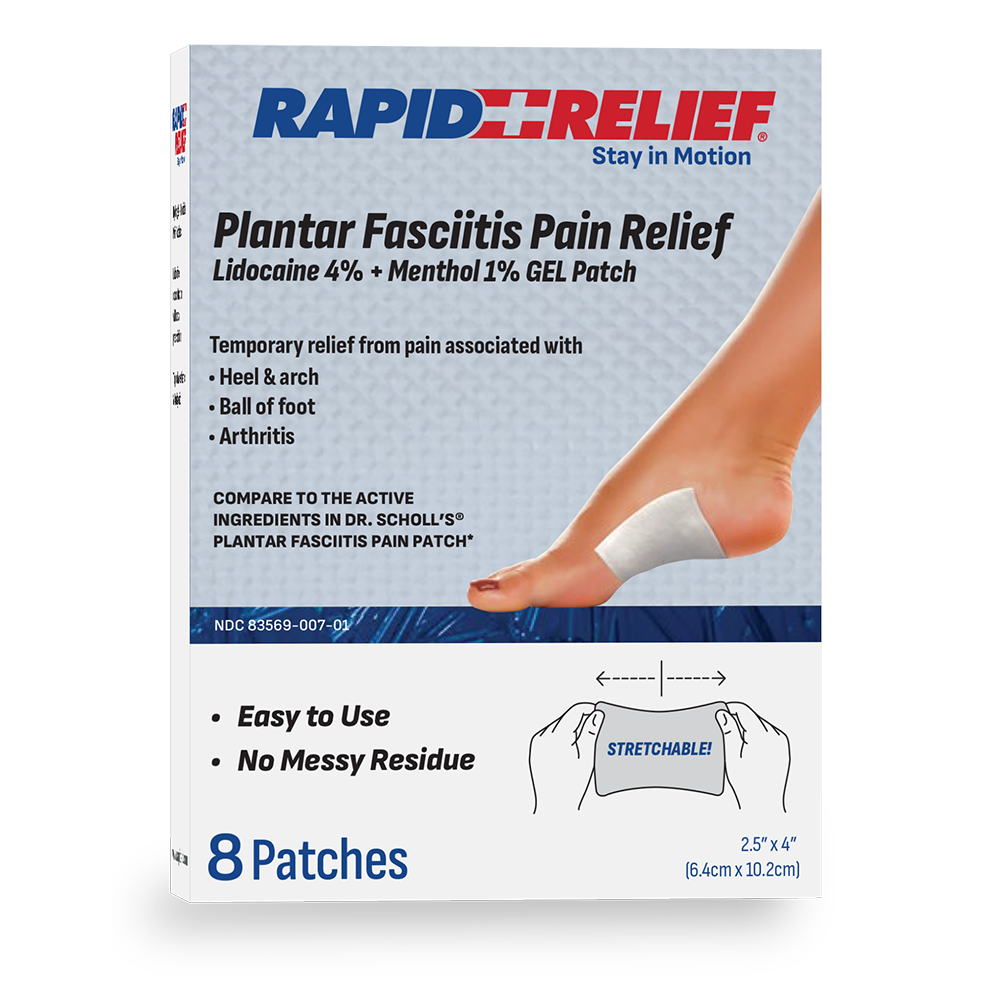
Topical Treatments: Creams, gels, or patches containing pain-relieving ingredients like menthol or lidocaine can be applied directly to the skin over the painful area. These provide localized relief without affecting the rest of the body.
Cold therapy is most effective when applied immediately after an acute injury, such as a sprain, strain, or bruise. Applying cold helps to constrict blood vessels, reduce swelling, and numb pain. It’s recommended to use ice packs wrapped in a cloth or a cold compress for about 15-20 minutes every 2-3 hours during the first 48 hours after injury. This helps to manage pain and prevent excessive swelling.
Ankle Sprain: Apply ice immediately to reduce swelling and pain.
Muscle Strain: Use cold therapy to alleviate muscle spasms and inflammation.
Bruises: Ice packs can minimize bruising and discomfort.
Hot therapy is beneficial for chronic injuries or conditions that involve ongoing pain and stiffness, such as arthritis or tendonitis. Heat helps to relax muscles, increase blood flow, and improve flexibility. Use heating pads, warm baths, or heat wraps for 15-20 minutes at a time, several times a day as needed. It’s important to avoid using heat therapy immediately after an acute injury as it can increase inflammation.
Hot and cold therapy are simple and effective methods for relieving lower back pain. Depending on the type of pain you’re experiencing, you can choose either heat or cold treatment—or even alternate between the two.
Cold therapy is best for reducing inflammation and numbing sharp pain, especially right after an injury. Applying something cold, like an ice pack or a cold gel pack, helps constrict blood vessels, reducing swelling and numbing the pain. It’s most effective within the first 48 hours after the pain starts.
How to Use It: Wrap an ice pack in a towel and apply it to the painful area for 15-20 minutes at a time. You can do this several times a day, but be sure to give your skin a break in between to avoid frostbite.
Heat therapy is ideal for relaxing tight muscles and improving blood flow to the area. This increased circulation can help soothe chronic pain and stiffness. Heat is particularly helpful if your lower back pain is caused by muscle tension or stress.
How to Use It: Use a heating pad, hot water bottle, or warm bath to apply heat to the affected area. Like with cold therapy, apply heat for 15-20 minutes at a time. Make sure the heat isn’t too intense, as it can cause burns.
In some cases, alternating between hot and cold therapy can provide the best relief. Cold therapy can reduce inflammation and numb the pain, while heat therapy can relax the muscles and improve flexibility.
How to Alternate: Start with cold therapy for 10 minutes, followed by heat therapy for 10 minutes. Repeat this cycle for a total of 30 minutes. Always end with the treatment that feels most beneficial for your pain.
Making some changes in your daily routine can help prevent lower back pain and keep your spine healthy.
Regular Exercise: Staying active with regular exercise is one of the best ways to prevent lower back pain. Focus on exercises that strengthen the core muscles and improve flexibility. Activities like walking, swimming, or yoga are gentle on the back and can be very beneficial.
Maintain Good Posture: Whether you’re sitting at a desk or standing, maintaining good posture is crucial. Keep your back straight shoulders relaxed, and avoid slouching. If you work at a computer, make sure your workstation is set up ergonomically, with your monitor at eye level and your chair supporting your lower back.
Lift Properly: Use your legs, not your back, when lifting heavy objects. As you lift, bend your knees and keep the object close to your body. Avoid twisting your body while lifting, as this can strain your lower back.
Healthy Weight Management: Carrying excess weight, especially around the midsection, can put additional strain on your lower back. Maintaining a healthy weight through a balanced diet and regular exercise can reduce this strain and lower your risk of back pain.
Quit Smoking: Smoking can reduce blood flow to the spine, which may contribute to disc degeneration and back pain. Quitting smoking can improve overall health and help prevent lower back pain.
Ergonomic Adjustments: Make sure your workspace is ergonomically friendly. Use a chair that supports the natural curve of your spine, and keep your feet flat on the floor. If you spend long hours sitting, take breaks to stand, stretch, and walk around.
In addition to conventional treatments, some people find relief from lower back pain through alternative therapies. These treatments can be used alongside traditional methods for a more holistic approach:
Chiropractic Care: Chiropractors use manual adjustments to correct misalignments in the spine. These adjustments can help reduce pain, improve function, and promote healing.
Acupuncture: This traditional Chinese medicine technique involves inserting thin needles into specific points on the body to relieve pain and stimulate healing. Some studies suggest that acupuncture can be effective in reducing lower back pain.
Massage Therapy: A professional massage therapist can help relax tight muscles, improve circulation, and reduce pain. Regular massage therapy sessions can be particularly beneficial for chronic lower back pain.
Yoga and Stretching: Yoga combines stretching, strength exercises, and mindfulness, making it an excellent practice for reducing lower back pain. Specific yoga poses can help strengthen the core, improve flexibility, and reduce tension in the lower back.
Mind-Body Techniques: Techniques like meditation, deep breathing exercises, and mindfulness can help manage chronic pain’s emotional and psychological aspects. These methods can reduce stress and improve your ability to cope with pain.
While most cases of lower back pain improve with home care, there are situations where you should see a doctor:
Persistent Pain: If your pain doesn’t improve after a few weeks or keeps coming back, it’s time to seek medical advice.
Severe Pain: See a doctor if your pain is so severe that it interferes with your daily activities or prevents you from sleeping.
Numbness or Weakness: If you experience numbness, tingling, or weakness in your legs or feet, it could be a sign of nerve compression that needs medical attention.
Loss of Bladder or Bowel Control: If you have lower back pain along with loss of control over your bladder or bowels, seek emergency medical help. This could be a sign of cauda equina syndrome, a rare but serious condition.
Fever: Lower back pain accompanied by a fever could indicate an infection requiring prompt treatment.
Prevention is always better than treatment. Here are some tips to help you avoid lower back pain:
Stay Active: Regular physical activity helps keep your muscles strong and your spine flexible. Even simple activities like walking or swimming can make a big difference.
Practice Good Posture: Pay attention to your posture throughout the day. Whether you’re sitting, standing, or moving, maintaining good posture reduces the strain on your back.
Use Proper Lifting Techniques: Always lift heavy objects with your legs, not your back. Bend at your knees and keep the object close to your body as you lift.
Sleep on a Supportive Mattress: Your mattress plays a crucial role in supporting your spine. Choose a mattress that keeps your spine aligned and provides good support. Sleeping on your side with a pillow between your knees can also help maintain proper alignment.
Manage Stress: High-stress levels can lead to muscle tension and exacerbate lower back pain. Practice relaxation techniques like deep breathing, meditation, or yoga to manage stress effectively.

1975

Mississauga, Ontario, Canada

Over 1000 Product Skus

Healthcare and Retail

Facilities in Canada, United States, China, & Vietnam
Lower back pain can be a significant source of discomfort and disruption in your daily life, but it’s manageable with the right knowledge and treatment. Understanding the causes, recognizing the symptoms, and following a comprehensive treatment plan can help relieve pain, improve your quality of life, and prevent future problems.
Remember, if you’re ever in doubt about the severity of your pain or if you experience any worrying symptoms, it’s always best to consult a healthcare professional. By taking care of your back and making healthy lifestyle choices, you can keep lower back pain at bay and enjoy a more active, pain-free life.
Contact Rapid Aid today for cost-effective and proven lower back pain therapy products.
Remember, it is important to consult a qualified healthcare professional for any specific medical concerns or advice related to medical conditions, such as using ice packs for joint pain.
Whether you’re launching a wellness line or expanding your global presence, Rapid Aid helps you move from concept to shelf quickly and confidently.
With deep category expertise, proven compliance, and a consumer-first approach, we’re your ideal partner for private label success.
To explore how we can build your private label product line – safely, competitively, and globally.