Injury is an inevitable part of life. Some injuries seem to heal quickly, while others linger on for what feels like an eternity. This phenomenon can be traced back to two main types of injuries: acute and chronic. Think of a scenario where an individual twists their ankle during a run or slips on ice, feeling an immediate sharp pain that brings them to a halt. This is an example of an acute injury. In contrast, ongoing knee pain that gradually worsens over time due to repetitive stress is more likely a chronic injury.
Understanding the distinctions between these two types of injuries is essential for managing recovery and ensuring a smooth return to activity. This blog will explore the key differences between acute and chronic injuries, highlighting their unique characteristics and various management strategies, including applying hot and cold therapy to promote recovery.
Defining Acute and Chronic Injuries
Acute injuries are sudden, traumatic events that usually happen when you least expect them— a fall, misstep, or sports accident. These injuries come with immediate and intense pain, and they tend to show all the classic signs of trauma: swelling, bruising, and difficulty moving the affected area.
Some typical examples of acute injuries include:
- Sprained ankle from an awkward twist during exercise
- Fractured bones from a hard impact or fall
- Dislocated shoulder from a sports collision
- Muscle strain due to overstretched or torn muscles
Chronic injuries, on the other hand, develop over time, often due to repetitive stress or poor movement patterns like running with improper form or sitting with bad posture for long periods. According to studies, chronic injuries account for about 50% of all sports-related injuries, highlighting how common these long-term problems can be.
Chronic injuries come with persistent, dull aches that don’t go away with rest. Without proper intervention, these issues can become debilitating. Inflammation, stiffness, and discomfort are common symptoms that worsen if left untreated. Unlike acute injuries, which have a clear point of origin, chronic injuries can leave individuals wondering about the source of their ongoing pain. Some examples of chronic injuries include:
- Tendonitis from repetitive strain (like tennis elbow)
- Runner’s knee from overuse
- Shin splints from improper running technique or overtraining
- Stress fractures due to repetitive stress
Differences in Treatment Approaches
We all want to know when the pain will ease up, when we can move normally again, and when we can return to the activities we love. Unfortunately, the answer to this isn’t as straightforward. Acute and chronic injuries differ in approach towards their management. Proper treatment of an injury depends on its severity and the underlying cause.
Immediate Response to Acute Injuries
The primary goal of treating acute injuries is to reduce swelling, control pain, and prevent further damage. The R.I.C.E. method, Rest, Ice, Compression, and Elevation is a commonly recommended first response, especially among sports trainers and athletes.
- Rest: Support the injured area and avoid use for up to 72 hours.
- Ice: Apply ice for 20 minutes every two hours during the first 48-72 hours.
- Compression: Use a firm elastic bandage over the area, extending above and below the injury.
- Elevation: Keep the injured area raised above heart level whenever possible.
Cold therapy, specifically, is an essential tool in managing acute injuries. Cold packs are used to minimize inflammation and numb the affected area. Thereafter, you can start alternating between heat packs and ice to promote blood flow to the injured area. Medical care should be sought promptly for more severe injuries, such as fractures or torn ligaments, to ensure appropriate treatment. Similarly, it is always advisable to contact a medical care provider immediately in the case of head injury, however mild.
Long-term Care for Chronic Injuries
Chronic injuries require a different approach, focusing on rehabilitation and pain management. Treatment often includes physical therapy to strengthen muscles, improve mobility, and address the root cause of the injury. Heat therapy plays a key role in managing chronic pain by relaxing muscles, improving blood circulation, and promoting recovery.
For example, individuals suffering from chronic back pain may benefit from a combination of heat therapy and targeted stretching or prescribed exercises to help restore the body’s flexibility and strength. Ongoing pain management strategies might also include medication and rest.
Hot vs. Cold Therapy: When and How to Use Each
Cold therapy is the preferred option for acute injuries. It should be applied during the first 48 hours following an injury. By using cold to an injured area, blood vessels constrict, reducing blood flow and, consequently, inflammation and swelling. This helps alleviate pain and slows down the metabolic rate of tissues, which can minimize further damage. Typically, the recommendation is to apply cold therapy for about 10 to 20 minutes, allowing the skin to return to a normal temperature between applications.
Conversely, heat therapy is better suited for chronic injuries. It helps loosen tight muscles and improves circulation in affected areas, making it ideal for managing long-standing pain or stiffness. Chronic conditions such as arthritis or tendinitis often respond well to the consistent application of heat. Heat therapy should typically be applied for 15 to 20 minutes at a time for best results. Products like reusable heat packs or heating pads provide consistent warmth and are easy to use at home.
The Benefits of Using Specialized Cold Therapy Products
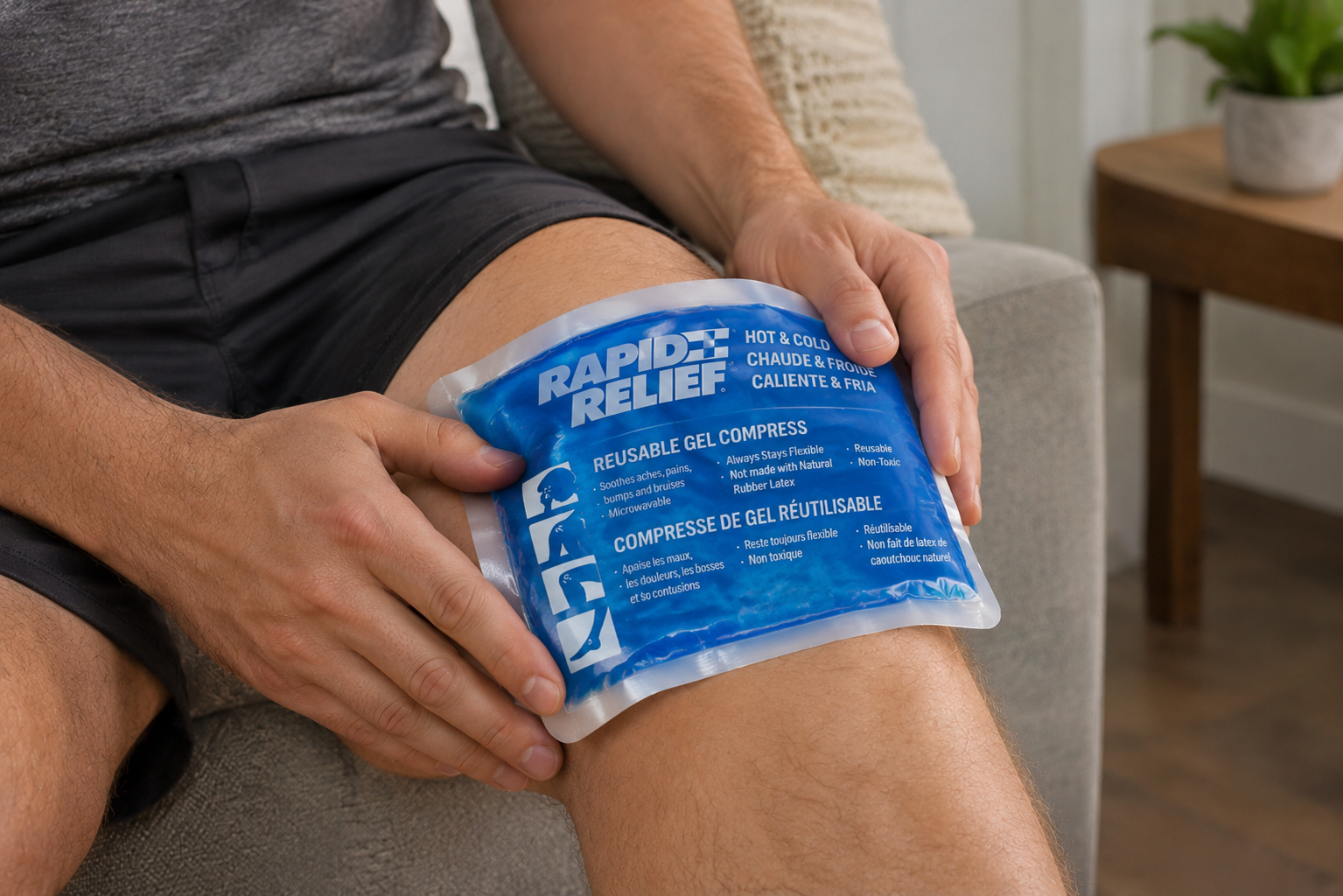
Gone are the days of wrapping ice in a towel and hoping it stays in place. Today, specialized cold therapy products offer a more effective, convenient, non-invasive and drug-free solution to pain relief. For instance, reusable hot and cold gel compresses are designed to fit comfortably against the skin while providing a soft and soothing touch.
- Ease of Use: No need for messy towels or awkward positioning.
- Targeted relief: Designed to fit specific body contours to provide targeted treatment, making them ideal for areas such as the lower back, shoulders, or knees.
- Enhanced Comfort: Soft materials eliminate the discomfort often associated with hot or ice packs.
- Flexibility: Products remain pliable even when frozen, allowing them to conform to the body for better coverage.
- Long-lasting Relief: These products are often designed to retain heat or cold longer, allowing extended treatment sessions.
Transitioning from Acute to Chronic: When an Injury Becomes a Long-term Issue
Acute injuries, if not appropriately treated, can evolve into chronic conditions (25-30% of injuries have the probability of turning chronic). For instance, an untreated sprained ankle might lead to chronic instability, or a poorly managed shoulder injury could result in long-term pain. Proper and timely care is essential to prevent this transition. Proactively addressing acute injuries and following up with the necessary rehabilitation can significantly reduce the risk of developing chronic problems.
When to Seek Professional Help
In some cases, it becomes necessary to seek professional care. Rehabilitation programs led by healthcare professionals are crucial in ensuring a full recovery as they provide tailored treatment plans, particularly for severe or chronic injuries. Signs that indicate the need for medical intervention include:
- Inability to bear weight on the injured area
- Persistent pain that does not improve with at-home care
- Deformities or swelling that worsens over time
The next time someone gets injured, pay attention to whether it’s acute or chronic. Knowing the difference can inform the best treatment choices, helping individuals get back to regular activities without unnecessary pain and discomfort
Leverage Rapid Aid’s Expertise
Rapid Aid has been a trusted global manufacturer of high-quality hot and cold therapy products since 1975. Our innovative product lines offer immediate relief for injuries, helping millions manage pain effectively. We have evolved beyond the standard ice packs of the past, providing specialized solutions that cater to both acute and chronic injuries.
As professionals in the medical distribution and retail sectors, integrating Rapid Aid’s products into your offerings means equipping your customers with the best tools for their recovery. Explore our range of hot and cold therapy solutions today and empower your clients to achieve effective pain relief and recovery.