Summary: When temperatures soar, the risk of heat stress, dehydration, and sun-related illness rises for outdoor workers, athletes, and anyone spending long hours outside. Let’s explore how the body reacts to extreme heat, why acclimatization is critical, and the warning signs of heat stroke you can’t afford to miss. We also share some top tips for beating the heat to stay comfortable and safe when working outdoors. From simple hydration to innovative cooling solutions like cold therapy, we cover essential measures to help people make the most of their time outside.
Summer means a lot of things for many people. For students, it’s the freedom of long days at camp or splashing around in the pool with friends. For families, it’s the season for road trips, beach vacations, and traveling overseas. For many workers, though, summer means hot, sticky days under a sun that doesn’t let up. While it is nearing the end of the season, some of us still have a few more months of heat ahead of us.
We can’t do anything about the weather. (Sorry!) But we do know a thing or two about keeping cool when the heat feels relentless (including cold therapy).
Heat Stress and Overexertion in Hot Outdoor Environments
Outdoor work during the summer carries a high risk of occupational heat stress. Particularly vulnerable are those who work in construction, roadwork, agriculture, or landscaping, where long hours of strenuous labor in high heat increase dehydration and overheating.
Similarly, athletes and outdoor enthusiasts encounter the same hazards. Long training sessions, weekend tournaments, or endurance events often take place under the same sweltering sun, and the consequences can be severe. Studies have shown that exertional heat stroke is one of the leading causes of sudden death in athletes, particularly in high-intensity sports such as football, soccer, and long-distance running. In 2001, Minnesota Vikings player Korey Stringer tragically collapsed and died from heat stroke during a training camp practice. Unfortunately, similar cases continue to send thousands of people to emergency rooms and hospitals throughout the nation.
Heat-related illnesses manifest with mild symptoms such as headache, muscle cramps, and fatigue. If not addressed, these can escalate into heat exhaustion or progress into heat stroke, which is life-threatening and requires immediate medical help. Heat stroke symptoms may include:
- Seizures
- High body temperature
- Strong, rapid pulse
- Confusion or disorientation
- Chills
- Vomiting
- Flushed skin
- Slurred speech
- Loss of consciousness
How The Body Regulates Heat
 Normally, the body regulates its temperature through perspiration (sweat) and releasing heat into the surrounding air through vasodilation to maintain an average temperature of around 98.6°F (37°C). When the heat outside rises above that, the natural cooling system can start to struggle. High humidity makes it harder for sweat to evaporate, and extreme temperatures can prevent the body from dissipating heat. As a result, core temperature rises, and the heart beats faster as the body works overtime to maintain balance.
According to OSHA, 50% to 70% of worker deaths due to heat-related illnesses are caused by an inability to adapt to high temperatures. The human body requires time to acclimatize to heat, gradually building tolerance over days or even weeks. When this process is rushed, individuals face a much greater risk of heat stress, dehydration, and heat stroke.

Ways to Keep Cool When It’s Really Hot Outside
Summer heat can be brutal, especially for those pushing their limits outdoors. Luckily, there are several ways to stay cool, hydrated, and safe. Here are a few tips to consider:
Hydrate, hydrate, and hydrate some more
Staying hydrated is the obvious choice for keeping cool while working outdoors. OSHA recommends drinking small amounts of water consistently to maintain hydration and prevent heat-related issues. This applies even if you don’t feel thirsty. Caffeinated beverages and alcohol should be avoided, as they can contribute to dehydration and impair the body’s ability to regulate temperature. During prolonged or intense outdoor activity, electrolyte replacement is equally important to prevent hyponatremia (dangerously low sodium levels) and maintain muscle function.
Why cold packs are effective for hot days and other tips for managing the heat
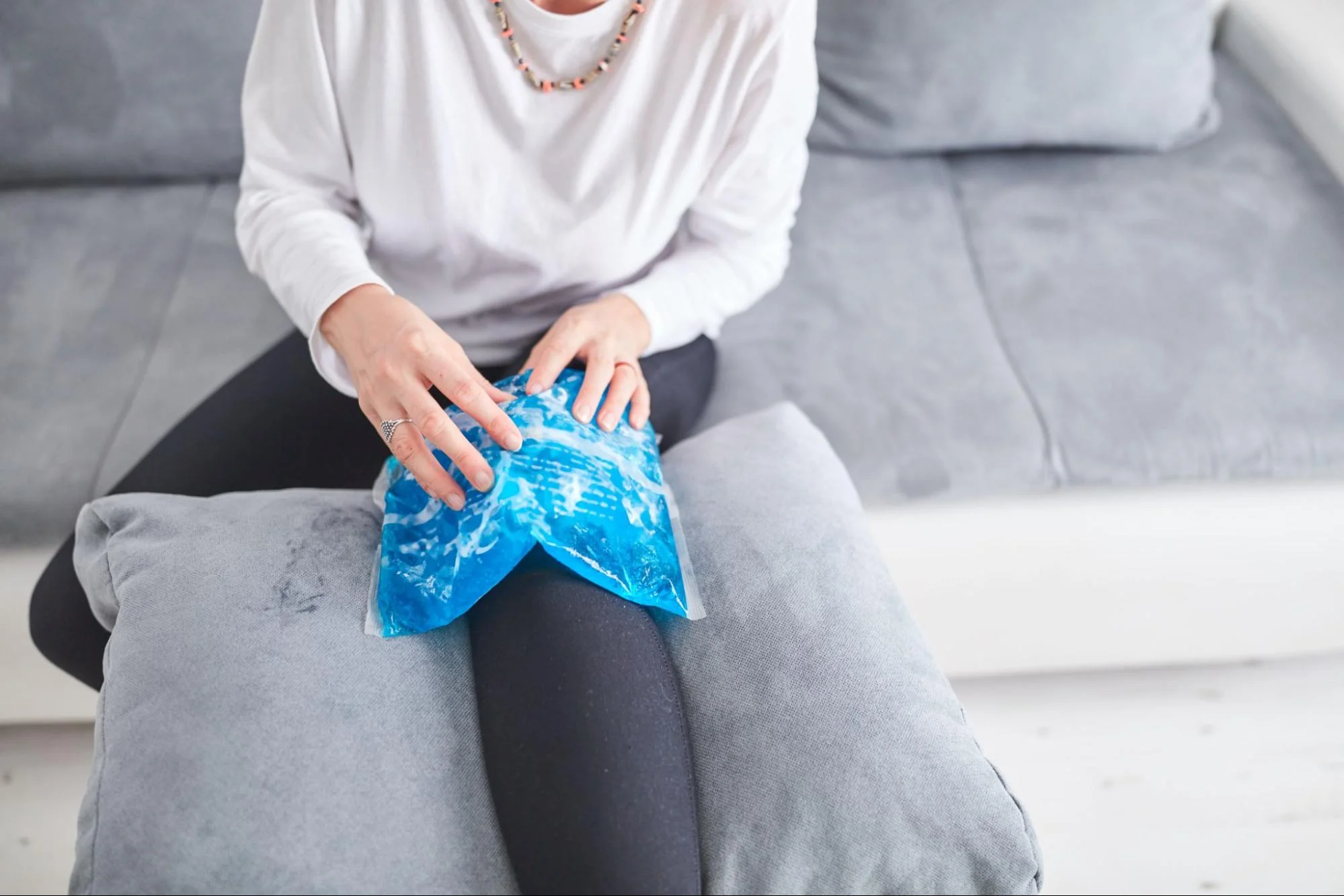
Applying cold packs to the neck, wrists, armpits, ankles, and groin targets areas where major blood vessels are close to the skin, allowing heat to be drawn away from the body. Instant cold packs are particularly valuable because they are portable, don’t require refrigeration, and can be applied immediately during work breaks or after intense outdoor activity. Unlike traditional ice packs, instant cold packs activate with a quick squeeze, maintain a consistent cooling temperature, and eliminate the mess of melting ice.
Acclimatize gradually
 Did you know it takes about 7 to 14 days for the body to adapt to hot conditions through heat acclimatization? During this period of gradual exposure, the cardiovascular system adjusts by increasing sweat rate, lowering heart rate, and improving overall thermoregulation. For outdoor workers, this may mean starting with shorter shifts or lighter duties before progressing to full workloads. Athletes can benefit by beginning with lower-intensity sessions and increasing duration and intensity incrementally.
Schedule strenuous activity for cooler hours
Environmental conditions play a significant role in heat stress. The Wet Bulb Globe Temperature (WBGT) is a commonly used measure to assess heat risk, factoring in temperature, humidity, wind, and solar radiation. Data show that the hottest hours, typically 10 a.m. to 4 p.m., carry the highest risk for heat-related illness. Planning physically demanding work in the early morning or late evening reduces exposure to peak heat and allows the body to maintain safer core temperatures.
Wear breathable, light-colored clothing
If working in an extremely hot environment, sunscreen is no doubt essential. But you may also want to wear clothing that helps the body stay cool. Loose-fitting, lightweight, and light-colored clothing gives the best protection from the sun’s rays. Since sweating is a given in extreme heat, breathable, moisture-wicking fabrics such as cotton blends or performance synthetics allow sweat to evaporate, reducing discomfort.
Beat the Heat with Cooling Products From Rapid Aid
From busy construction sites to sprawling farms and high-stakes sporting events, Rapid Aid is helping millions of people stay cool when it matters. Adding our cooling products to first aid kits or safety programs helps meet heat-safety requirements while protecting workers, athletes, and event staff from serious heat-related illnesses.
We offer our in-house branded solutions or can develop private label options, allowing you to align our proven cold therapy products with your brand and distribution needs. Whether you serve industrial clients, sports teams, or retail markets, we can help you deliver quality products that grow your business. Contact us for guidance on integrating our cold therapy products into your lineup.
Frequently Asked Questions
What’s the difference between heat exhaustion and heat stroke?
Heat exhaustion is an early stage of heat-related illness, with symptoms such as heavy sweating, dizziness, nausea, and muscle cramps. If untreated, it can progress to heat stroke, a medical emergency marked by confusion, rapid pulse, high body temperature, and possible loss of consciousness. Immediate cooling and medical attention are critical in cases of heat stroke.
How important is acclimatization, and how can it be done safely?
Acclimatization is critical because it helps your body gradually adapt to hot environments, improving heat tolerance and reducing the risk of heat illness. To acclimate safely, increase outdoor exposure and physical activity duration slowly over 1-2 weeks while staying well hydrated.
What’s the safest way to cool down someone experiencing heat stroke while waiting for help?
Move them to a shaded area, loosen clothing, and cool rapidly using cold packs, wet towels, or immersion in cool (not icy) water.
How does Rapid Aid ensure its cooling products meet strict safety and quality standards?
Rapid Aid’s cooling products undergo rigorous testing and are manufactured in compliance with internationally recognized safety and quality standards. Each product is designed for consistent performance, ensuring that it delivers reliable cooling when and where it’s needed.
Where are Rapid Aid’s products manufactured, and how does that benefit customers?
We operate vertically integrated manufacturing facilities in North America, China, and Vietnam. This global footprint provides strict quality control, flexibility in production, and faster delivery times. By diversifying our manufacturing locations, we help customers minimize tariff impacts, maintain a steady supply, and scale production efficiently to meet growing demand.
1. https://worldathletics.org/waendurancemedicine/exertional-heat-stroke
3. https://www.osha.gov/heat-exposure
4. https://www.cdc.gov/niosh/heat-stress/recommendations/acclimatization.html