Summary: Migraines can go unseen but rarely unfelt, disrupting daily life, relationships, and well-being for millions. This blog explores why migraines are more than just head pain, how outdated assumptions still stand in the way of proper care, and emphasizes the importance of recognizing the diverse experiences of those affected. It also examines how cold therapy remains a significant contributor to symptom relief, providing a practical option for individuals managing this complex neurological condition.
Migraines are one of the most common but misunderstood neurological conditions worldwide. They affect over a billion people1, yet they are still often dismissed as just a bad headache. But are they really? We want to highlight the common myths around migraines to promote better understanding and support for those living with their debilitating effects.
The Global and Personal Impact of Migraines
A Migraine is far more than a headache; it is a complex neurological event that can significantly diminish quality of life, productivity, and overall well-being. According to the Migraine Research Foundation, migraines affect approximately 39 million people in the United States alone2 and are recognized as the third most prevalent illness globally. The burden is immense. Migraines are a leading cause of long-term disability among individuals under 50, and have seen a substantial rise in disability burden since 19903.
 What’s even more overlooked is the widespread ripple effect migraines can have. Individuals living with migraines often experience disruptions to daily activities, missed work or school days, and strained relationships. A study published by the National Institutes of Health (NIH) found that more than 90% of migraine sufferers report being unable to function normally during an attack4. The emotional and psychological toll is substantial, with higher rates of depression, anxiety, and feelings of isolation commonly reported among sufferers. Even between attacks, many people limit their activities out of fear of triggering another episode, which further impacts their social and professional lives.
Similarly, tension-type headaches are also common, affecting nearly 80% of individuals at some point in their lives, compounding the societal and economic burden. Despite these staggering statistics, migraine remains stigmatized, underdiagnosed, and underrated, leading to widespread misunderstanding and insufficient support for those affected.
5 Migraine Misconceptions That Hold Us Back
One crucial step toward better migraine care is dispelling the myths that cloud the public’s understanding of migraines. These misconceptions not only delay diagnosis and treatment but also contribute to a culture of stigma and neglect.
Let’s take a closer look at some of the most persistent myths:
Myth 1: A migraine is just a bad headache.
 This is perhaps the most damaging misunderstanding. Migraines are a neurological disease, not just a severe version of a tension headache. Symptoms often include recurrent episodes of intense, throbbing headaches usually to one side of the head, nausea, vomiting, and extreme sensitivity to light, sound, or smell, and they can last anywhere from four hours to three days. Some people also experience aura, a sensory disturbance that precedes a migraine, characterized by visual changes such as flashing lights or blind spots, and sometimes tingling sensations in the hands or face. To better understand how migraines differ from more common headaches, check out our previous blog.

Myth 2: Only women get migraines
While migraines are more common in women due to hormonal influences, they are far from exclusive to one gender. According to the American Migraine Foundation, about 18% of women, 6% of men, and 10% of children in the U.S. live with migraine. The condition is often overlooked in men and young people, leading to underreporting and inadequate treatment.

Myth 3: All Migraines Involve Aura
An aura is a set of neurological symptoms, often including visual disturbances such as flashing lights or zigzag patterns, that can precede a migraine. However, only about 25% to 30% of people with migraine headaches experience aura[1]. Most migraines occur without any aura, so the absence of these symptoms does not mean an episode isn’t a migraine.
 Myth 4: Stress Is the Only Trigger

The exact cause of migraines remains unclear, but they are believed to result from abnormal brain activity that disrupts nerve signaling, chemical balances, and blood vessel function. While stress is a well-known trigger, it’s far from the only one. Hormonal changes, genetics, sleep disturbances, certain foods and drinks, dehydration, weather changes, and sensory stimuli can all provoke migraines in susceptible individuals.
 Myth 5: It’s All in Your Head

This myth is both literal and figurative. Some people dismiss migraines as a psychological issue or exaggeration. In reality, a migraine is a biological disorder involving complex changes in brain chemicals and nerve pathways. The pain and symptoms are very real and can be profoundly disabling.
Recognizing the Diversity of Migraine Experiences
A majority of people living with migraines often push through in silence, carrying symptoms that others can’t see. For those who have never experienced the throbbing pain, sensory sensitivities, and nausea of a migraine attack, it can be challenging to grasp the severity of the condition. But for millions, it’s a complex, often isolating condition that calls for broader awareness, informed support, and recognition of the many ways migraines affect daily life.
Some individuals find relief through medication or lifestyle adjustments, while others may struggle for years to identify effective treatments. The unpredictable nature of migraines, their triggers, frequency, and severity, means that management must be personalized and multifaceted. Hence, there is a need for diverse and accessible care options, including natural migraine remedies that can be used in conjunction with or as an alternative to pharmaceutical approaches.
Cold Therapy is A Time-Tested Ally in Migraine Relief
Among the various approaches to relief, hot and cold therapy remains one of the most widely used strategies. Cold therapy treatment, in particular, has a long history as a headache relief measure, first documented as early as 1849 by Dr. James Arnott. Today, leading organizations such as the National Headache Foundation and the Mayo Clinic recommend cold compresses and ice packs as effective strategies for easing migraine symptoms.
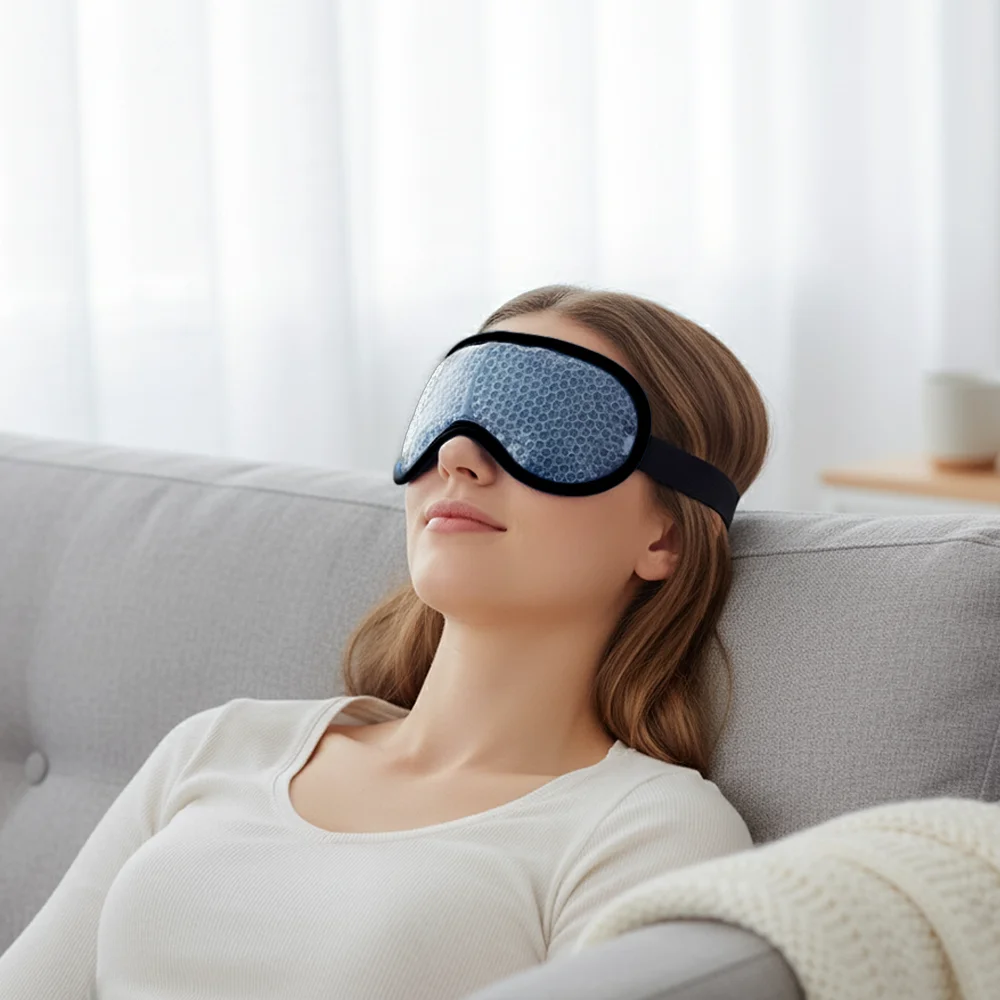
By applying cold to the forehead, temples, or neck, individuals can experience a numbing effect that reduces inflammation, slows nerve conduction, and constricts blood vessels—all of which can help alleviate migraine pain. When applied at the onset of an attack or during an episode, a well-designed cold compress can make a huge difference.
While cold therapy is often used during acute migraine attacks, hot therapy may offer benefits in managing stress-related migraine triggers. Applying gentle heat helps relax tight muscles in the neck, shoulders, and upper back, areas that often hold tension and contribute to headache pain. Heat also boosts circulation, which can ease stiffness and promote a soothing, calming effect throughout the body. For many, incorporating hot therapy into a daily routine becomes a simple yet powerful way to manage stress and reduce the frequency of tension-triggered migraines.
Rapid Aid: Supporting Migraine Care with Trusted Solutions
We’re committed to supporting the migraine and headache community by providing effective and accessible solutions and contributing to a deeper understanding of this often misunderstood condition. Our hot and cold therapy products are trusted by major retailers and wholesalers across North America and beyond, helping millions find relief from migraine pain.
If you’re a retailer, distributor, or private-label brand looking to expand your offering with clinically supported, non-pharmaceutical migraine relief solutions, we invite you to connect with us. Together, we can work toward a future where migraines and headaches no longer hold individuals back from living their most whole lives. Contact us to learn more.
This article is for informational purposes only and is not intended to replace professional medical advice, diagnosis, or treatment. For personal medical concerns or questions, please consult a qualified healthcare provider.