Summary: Migraines are common in women navigating perimenopause and menopause, with up to 29% affected and 75% reporting severe pain. As hormone levels shift unpredictably, so do the patterns and intensity of migraine attacks, often disrupting daily life. We explore the connection between hormonal changes and migraines, and why more women are turning to natural, drug-free options like cold therapy for lasting relief.
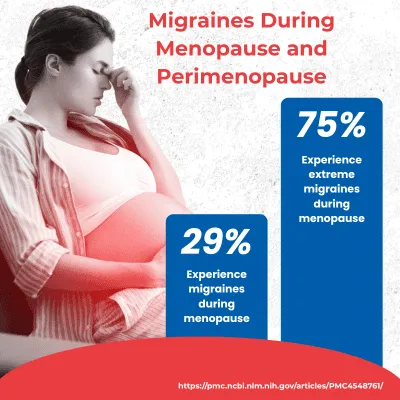 Migraines and other types of headaches are widespread among adults, but they are significantly more common in women experiencing the hormonal changes of perimenopause and menopause. During these stages, fluctuating levels of estrogen and progesterone can disrupt normal neurological function, increasing the frequency and intensity of migraine episodes. For many women, migraines that were previously manageable become more severe, while others may experience them for the first time in midlife.
Overall, the prevalence of migraines during menopause is estimated between 10% and 29%. Roughly 80% of women affected report experiencing multiple episodes each month, and 75% describe the pain as intense and disruptive to daily life¹.
Did you know that migraines are 2-3 times more common in women than in men? Changes in hormones are among the reasons women have more migraines than men do. Source: American Migraine Foundation
What’s the Connection Between Migraines, Perimenopause, and Menopause?
To understand why migraines are so common during midlife, it’s important to clarify the difference between perimenopause and menopause.
Perimenopause is the transitional stage leading up to menopause, often beginning in a woman’s 40s but sometimes as early as the mid-30s. This period can last anywhere from a few months to more than a decade. During this time, the ovaries gradually produce less estrogen and progesterone, triggering a wide range of symptoms, including irregular menstrual cycles, hot flashes, mood swings, sleep disruptions, weight gain, insomnia, and, for many, a resurgence or worsening of migraines. It’s certainly a period marked by significant physical changes, often unfolding alongside major personal and emotional milestones in a woman’s life.
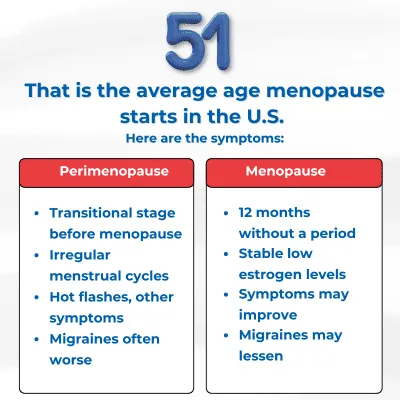 Menopause, on the other hand, is officially diagnosed when a woman has gone 12 consecutive months without a menstrual period. In the US, the average age of menopause is 512. At this point, estrogen levels stabilize at a consistently low level, and for many women, the frequency and intensity of migraine attacks may either lessen or disappear altogether. However, this is not always the case, especially for those with a long-standing history of hormonal migraines or those affected by other common triggers like poor sleep or chronic stress. For instance, individuals who first experienced migraines in childhood or adolescence are more likely to see symptoms persist after menopause, as do people with chronic migraines.
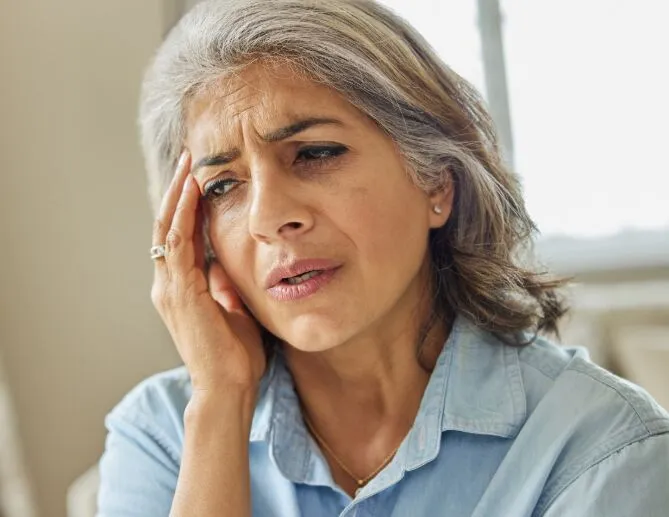
Hormonal migraines share many characteristics with typical migraines and may occur with or without an aura (visual and sensory disturbances). The pain is often throbbing and usually begins on one side of the head. These episodes are frequently accompanied by sensitivity to light and may also include nausea or even vomiting.
How Do Hormonal Changes Affect Migraine Attacks
As earlier noted, the most profound hormonal shifts occur during perimenopause as the body prepares to shut down the ovaries. Migraines become more frequent or severe during this phase, particularly in women with a history of menstrual migraines. While it’s not entirely understood why changes in hormones trigger migraines, researchers widely agree that estrogen plays a central role in influencing migraine activity.
Estrogen is involved in regulating several brain chemicals, including serotonin, which affects how the body processes pain. When estrogen levels drop, especially suddenly, it can lower the brain’s threshold for pain and trigger the chain reaction that leads to a migraine. It helps explain why migraines are often linked to key hormonal events throughout a woman’s life, including the menstrual cycle, pregnancy, breastfeeding, perimenopause, and menopause. Prolonged estrogen changes occur, creating a hormonal rollercoaster that places extra stress on the nervous system.
Estrogen also impacts blood vessels in the brain, affecting how they expand and contract. Rapid changes in these patterns can contribute to the onset of migraine pain, which is linked to vascular activity. As hormone levels become increasingly unstable, these vascular and neurological disruptions become more frequent, and the result is an increased likelihood of migraine attacks.
Getting Relief from Migraine Attacks During Menopause
As women move through perimenopause and into menopause, their bodies are undergoing profound hormonal, physical, and emotional changes. The treatments that once worked reliably may become less effective over time. Triggers may shift, intensify, or multiply in response. The shift moves from simply stopping a migraine to managing overall well-being in a way that supports long-term comfort.
Some women find success with hormone therapy or prescription medications such as triptans, NSAIDs, or ergotamine medications. Others benefit from a more holistic or lifestyle-based approach. Common strategies include:
- Hot and cold therapy
- Cognitive behavioral therapy (CBT)
- Supplemental treatments like magnesium, riboflavin (vitamin B2), CoQ10, Acupuncture or biofeedback therapy
- Dietary changes
- Consistent sleep and hydration routines
- Regular, low-impact exercise
A healthcare professional should evaluate persistent or worsening headaches during perimenopause or menopause. One should particularly note if their headaches are accompanied by new types of auras or feel unlike any they’ve previously experienced.
Hot and Cold Therapy is A Safe, Drug-Free Solution
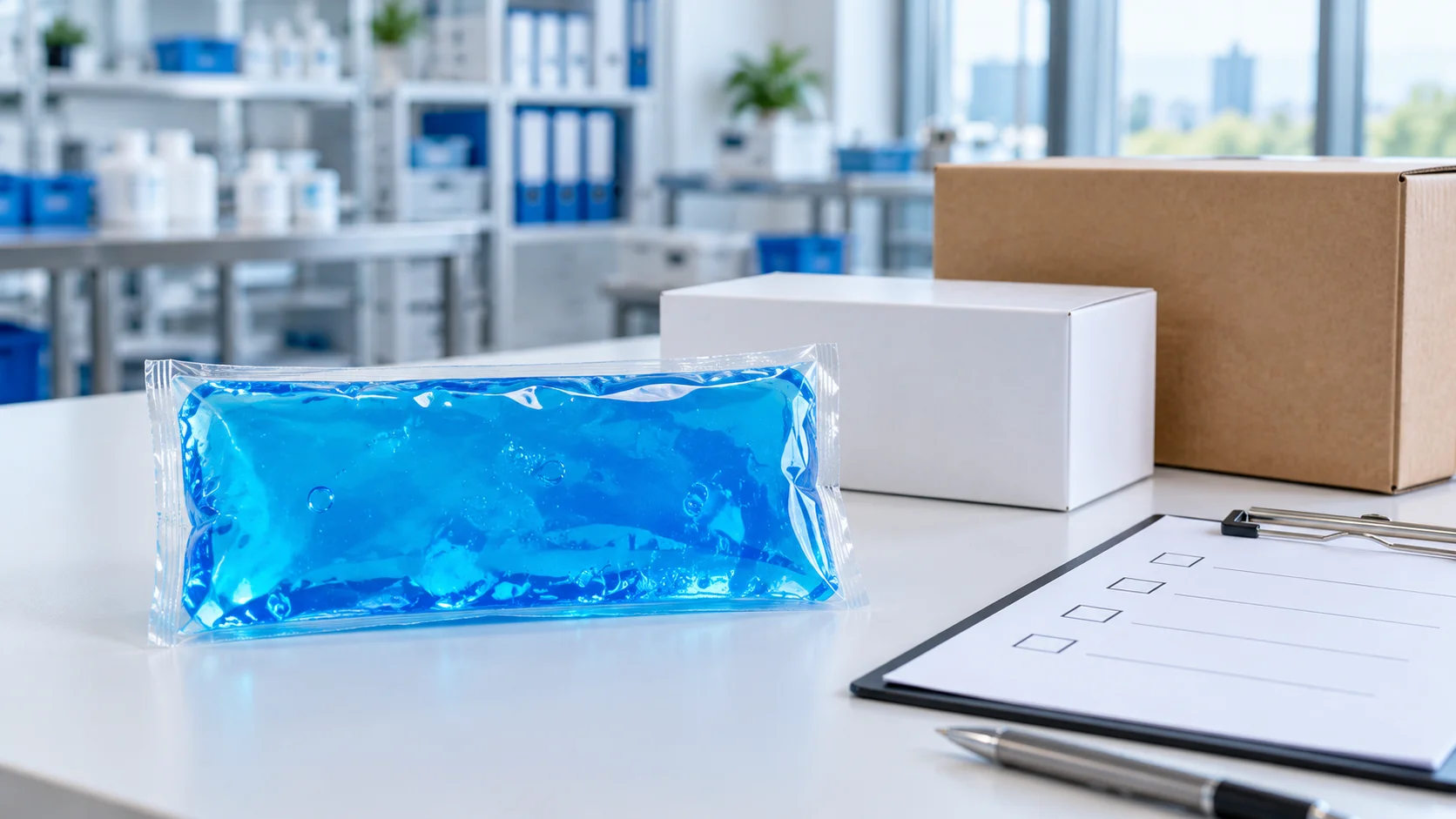
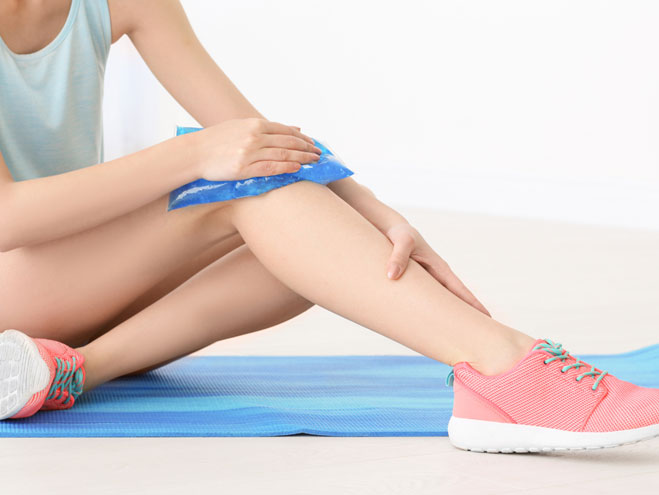
One of the most accessible and effective drug-free treatments for migraine relief is hot and cold therapy. While simple, this approach is supported by clinical experience and decades of anecdotal success. Cold therapy is typically used during the acute phase of a migraine. Applying a cool compress to the forehead, temples, or back of the neck can constrict blood vessels, reduce inflammation, and numb nerve endings. This provides quick relief from the throbbing pain and helps alleviate associated symptoms, such as nausea or dizziness.
On the other hand, heat therapy is beneficial when migraines are linked to muscle tension in the shoulders, neck, or jaw. Applying gentle warmth can relax tight muscles, promote circulation, and provide a soothing effect that aids in recovery once the worst of the migraine has passed. For women dealing with the compounded effects of perimenopause, like sleep difficulties or anxiety, a warm compress or gel pack also offers general calming benefits that can prevent migraines from occurring in the first place.
Ready to Support Women’s Health Naturally?
There are over 39 million migraine sufferers in the U.S. alone, and of these, women are three times more likely than men to be affected. That said, demand for alternative, drug-free relief for migraine symptoms is steadily rising. With millions of women currently in the perimenopausal or menopausal stage, now is the time to offer natural relief products that truly support their well-being.
Partner with Rapid Aid to bring effective migraine relief into homes, clinics, and shelves across your network. We invite you to contact us to discuss how our hot and cold therapy solutions can meet your business goals and support your customers’ needs.
Remember, it is important to consult a qualified healthcare professional for any specific medical concerns or advice related to medical conditions.
Frequently Asked Questions
How often should someone use hot or cold therapy for migraine relief?
Cold therapy can be applied at the onset of migraine symptoms for 15–20 minutes at a time, while heat therapy is more commonly used during post-migraine recovery. Usage depends on the individual’s symptoms and response.
Can hot and cold therapy be used in combination with medication?
Yes. It’s safe to use hot and cold therapy alongside most migraine medications and can help reduce reliance on pharmaceuticals.
What makes Rapid Aid’s products suitable for migraine sufferers?
Rapid Aid’s hot and cold packs are designed for targeted relief, easy application, and consistent temperature control—ideal for the sensitive needs of migraine sufferers, particularly those dealing with hormone-related episodes.
Does Rapid Aid offer private labelling or bulk orders for clinics and pharmacies?
Yes. Rapid Aid provides flexible manufacturing solutions, including private label, white label, and custom configurations for large-scale partners across North America and beyond.
Are there hot and cold therapy products specifically designed for women going through menopause?
While our products are versatile, many are specifically designed to address menopausal-related symptoms, such as our eye masks, neck wraps, and forehead gel packs. Our team can recommend configurations best aligned with this demographic’s needs.
1. https://pmc.ncbi.nlm.nih.gov/articles/PMC4548761/
2. https://www.mayoclinic.org/diseases-conditions/menopause/symptoms-causes/syc-20353397