Summary: Pregnancy brings many expected changes, like morning sickness, fatigue, cravings, and foot swelling. For swollen, achy feet, learn what triggers the issue, what might signal a concern, and how to ease the discomfort with effective remedies that help keep moms-to-be comfortable and supported throughout their pregnancy.
Pregnancy brings profound changes that affect a woman’s body in many ways. One common challenge is swelling in the lower legs and feet, known medically as edema. It affects about three-quarters of pregnant individuals, usually starting between weeks 22 and 27 and sometimes lingering right up to delivery.
As the uterus grows, it can press on blood vessels that carry blood from the legs back to the heart, causing fluid to accumulate. This leads to feelings of tightness or heaviness in the feet and ankles, especially by the end of the day or during warmer weather. Thankfully, most swelling is a normal part of pregnancy and generally not something to be overly concerned about.
Recognizing this common issue helps healthcare providers and distributors better support pregnant clients with the right solutions and products. Several natural remedies and lifestyle habits (we’ll get to that soon) can help reduce discomfort and support better day-to-day well-being.
What Causes Swollen Feet During Pregnancy?
A handful of physiological shifts explain why so many pregnant individuals are plagued by swelling in the ankles, feet, and legs as the months progress.
- Fluid volume + gravity: Fluid retention is annoying, for sure, but it’s a necessary evil. During pregnancy, the body produces roughly 50% more blood and other fluids to support the growing baby[1]. This increase not only aids fetal development and prepares the body for delivery but also softens the surrounding tissues, allowing the body to adapt as the baby grows and priming the joints and pelvis for labor. At the same time, gravity naturally channels part of that fluid downward. When movement or elevation is limited, fluid pools in the lower legs and feet, which can cause swelling and make shoes feel tight or skin puffy by day’s end.
- Heat, posture, and daily strain: Warm weather is a major player in swelling. On hot days, blood vessels near the skin widen, letting more fluid escape into surrounding tissues. Add long hours on your feet or sitting still for too long, and the lower limbs end up carrying the weight of it all.
- Hormonal shifts: Pregnancy hormones reshape the body in remarkable ways. Relaxin, for instance, softens joints and ligaments to prepare the pelvis for birth. It also softens the ligaments in the feet, allowing the bones to spread a bit. Many people even go up half a shoe size after pregnancy because of this structural shift. High progesterone levels further relax blood vessels, slowing circulation and contributing to swelling.
- Pressure from the Uterus: As the uterus expands throughout pregnancy, increased pressure on pelvic and leg veins can restrict blood flow back to the heart, leading to fluid buildup in the feet and ankles.
- Weight gain: Weight gain during pregnancy is another contributing factor. As overall body mass increases, so does the pressure on the legs and feet, which can make swelling more apparent.
The combined impact of these factors highlights just how intricate pregnancy-related foot and ankle swelling can be, underscoring the value of comprehensive strategies that ease discomfort and support the well-being of expectant mothers.
When Should Swelling During Pregnancy Be A Concern?
When you Google “swelling in pregnancy,” the word pre-eclampsia is likely to pop up. Swelling that happens suddenly or with other symptoms could be a sign of pre-eclampsia. Preeclampsia is a serious condition that affects both the mother and baby, characterized by high blood pressure and sometimes protein in the urine. One of its early symptoms is sudden swelling, not just in the feet, but also in the hands, face, or legs. If swelling appears abruptly or is accompanied by other symptoms like blurred vision, headaches, or upper abdominal pain, prompt medical attention is essential.
What are Some Natural Remedies to Reduce Swelling in the Feet During Pregnancy?
1. Stay cool whenever possible.
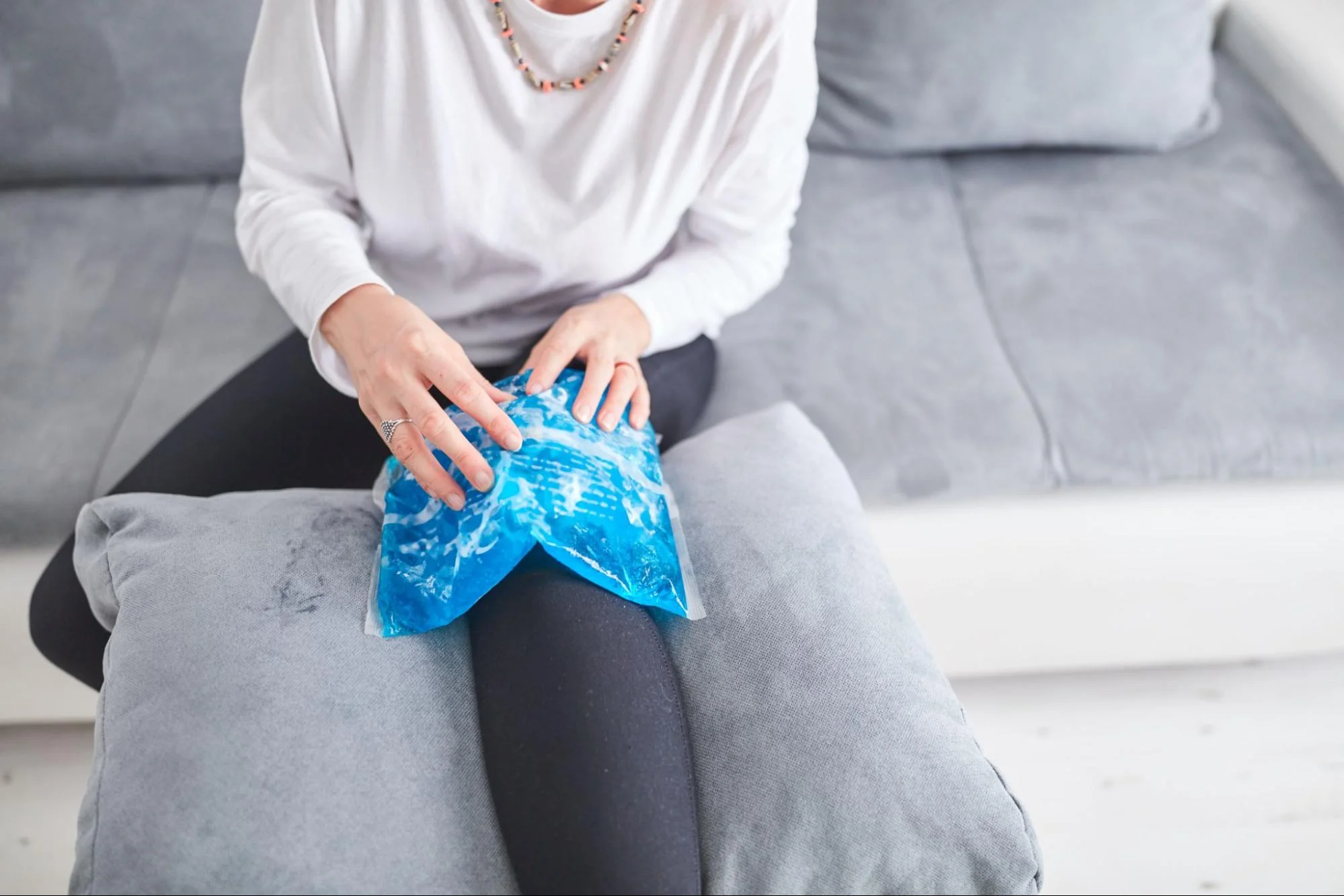
Heat aggravates edema, so keeping cool makes a noticeable difference. Pregnant mothers are encouraged to stay in shaded or air-conditioned spaces and apply cold therapy when heat or heaviness builds up. A cold compress or cooling gel pack gently placed around swollen ankles constricts blood vessels, reducing blood flow to the affected area and helping maintain swelling at a normal level while reducing sensitivity to pain.
Using a cold pack for 10–15 minutes at a time, especially when swelling peaks after long periods of standing, sitting, hot weather, or travel, also helps cool tissues and ease inflammation. Note that reusable cold compresses with straps provide hands-free comfort by staying securely in place, offering gentle compression and targeted relief for swollen feet and ankles. Innovative formulations allow them to stay colder for longer, unlike regular ice, which melts quickly and loses its cooling effect.
Essentially, cold therapy works as part of a broader PRICE-style strategy (Protection, Rest, Ice, Compression, Elevation) to help keep swelling and discomfort in check.
2. Wear compression stockings.
Compression garments offer graduated pressure that helps move fluid away from the extremities, reducing both swelling and soreness. Many healthcare providers recommend them as part of daily maternity routines.
3. Elevate your feet.
Gravity contributes to puffiness, so reverse its effect whenever possible. When resting, prop the feet above waist level or place a pillow beneath the legs at night to encourage circulation. Short walks between periods of sitting or occasionally rotating each foot at the ankle to stretch calf muscles can also help keep fluid moving.
4. Ditch the extra salt.
While cravings are part of the pregnancy experience, sodium draws water into the tissues, making swelling worse. Choosing fresh, unprocessed foods and seasoning lightly can help.
5. Stay hydrated.
It sounds counterintuitive, but drinking lots of water helps the body flush excess fluids and decrease retention. Adequate hydration also helps release excess sodium, minimizing puffiness. The Institute of Medicine recommends approximately 10 cups (2.4 litres) of fluids per day during pregnancy.
6. Gentle massage.
A light massage, even when self-administered, promotes circulation and lymphatic drainage. Adding cooling therapy before or after a massage amplifies comfort and reduces tissue inflammation.
Stock Up on Rapid Relief Solutions for Common Pregnancy Discomforts
Swollen feet may be one of pregnancy’s less glamorous symptoms, but comfort doesn’t have to be compromised. With simple lifestyle adjustments and the right cooling support, swelling can be managed effectively, helping expectant mothers feel lighter, more comfortable, and supported throughout the day.
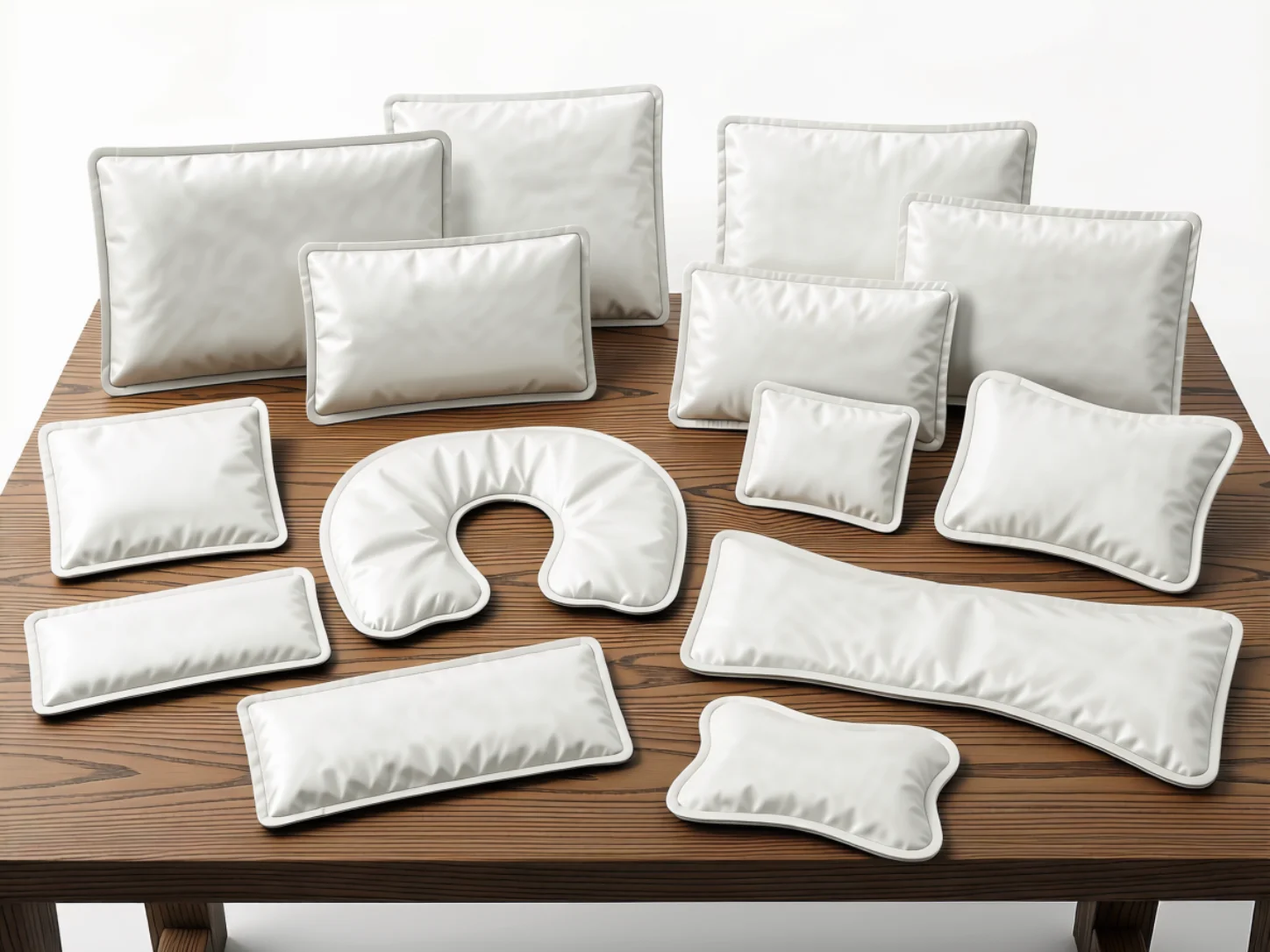
From retail shelves to medical distributors, hospitals, and clinics, Rapid Aid offers innovative hot and cold therapy solutions that are easy to integrate and designed specifically to support mothers from early pregnancy through postpartum recovery.
Explore our range of Rapid Aid-branded and private-label products or contact our sales team to learn how we can support your maternity care offerings.
Frequently Asked Questions
Mild swelling is common and can often be relieved with simple strategies such as elevating the legs, wearing comfortable footwear, staying hydrated, taking short walks, and using cold therapy on the affected areas.
Cold therapy is generally more effective for reducing swelling and inflammation. Applying a cold compress, gel pack, or soaking the feet in cool water helps constrict blood vessels, ease puffiness, and provide a soothing effect.
Mild swelling is usually normal, but seek medical attention if swelling appears suddenly, affects only one foot, or is accompanied by symptoms such as headaches, blurry vision, or high blood pressure. These may be warning signs of a more serious condition, such as preeclampsia. If you suspect any irregularities, like the above, you should contact your doctor.
Yes. When used as directed. Rapid Aid products are formulated with safe, effective chemical compounds and manufactured under strict quality controls to meet ISO 13485 medical device quality standards and FDA-approved/registered, meeting global standards for hot/cold therapy. They are designed for direct-to-skin application (often with soft covers) for pain relief. Read more on our safety compliance programs.
Rapid Aid operates four vertically integrated facilities across North America and Asia, built for high-volume production, strict quality control, and global logistics. Supporting hundreds of customers worldwide, production capabilities exceed 60 million units per month and can scale further to meet your needs.