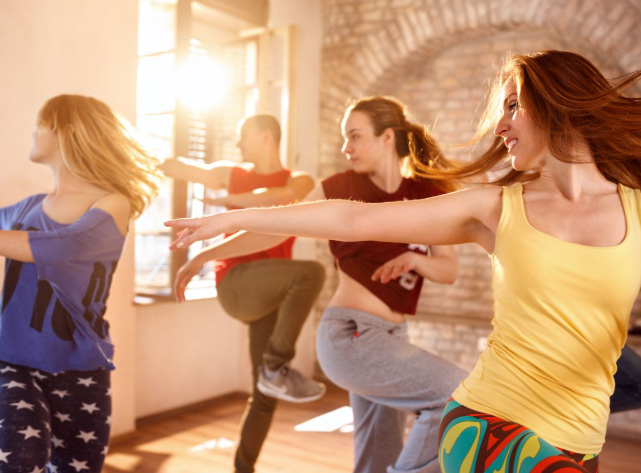
The stage lights dim, the music swells, and a dancer glides onto the stage, each step expressing grace and passion. Some of us have dreamed of becoming professional dancers. But behind the elegance, many dancers carry a hidden burden—knee pain. The intricate choreography, repetitive movements, and high-impact landings take a toll on their joints.
Unsurprisingly, 86% of full-time, professional dancers sustain one or more injuries each year, affecting nearly half of professionals at some point in their careers. While the stats on amateurs is not clear, even amateur disco dancers and hip hoppers are not immune to groin, hip, thigh and knee injuries. Knee injuries are one of the most common, affecting about 18% of dance related injuries.
Depending on the situation, ice and heat can effectively solve knee pain. However, since each treatment works differently, it’s important to assess the specific condition before choosing one over the other. In this blog, we’ll look deeper into the causes of knee pain and guide you on when ice or heat is the most effective treatment.
What Types of Injuries Do Most Dancers Get, and What Causes Them?
Dance pushes the body to its limits, literally. The knees, in particular, are subjected to overuse injuries caused by excessive strain on joints and muscles. Movements like floor choreography, jumps, and even basic demi-pliés can expose the knees to forces up to 12 times the dancer’s body weight. This intense strain helps explain why knee injuries are so common in dance. According to experts in the field, among the top four knee problems that plague dancers are:
Patellofemoral Pain Syndrome: Often referred to as “runner’s knee,” this condition results from cartilage irritation on the underside of the kneecap.
Meniscus Tears: These occur when the cartilage that cushions the knee joint is torn, often due to twisting motions during dance.
Bursitis: Inflammation of the bursae (tiny fluid-filled sacs cushion joints) can occur from repetitive kneeling or jumping.
Knee Ligament Sprains: These occur when the ligaments in the knee are stretched or torn, often caused by twisting, impact, or excessive force, compromising joint stability.
Several factors contribute to knee pain in dancers. Improper technique, such as misaligned jumps or twists, can lead to conditions like patellar tendinitis or bursitis. Repeating the same movements for hours increases the risk of overuse injuries, including jumper’s knee or iliotibial band syndrome. Skipping warm-ups leaves the knees unprepared for activity, while old or unsupportive shoes and hard dance floors add to the strain.
Previous knee injuries can also heighten the risk of re-injury, and factors like higher body weight or years of wear and tear make older dancers more susceptible to knee issues. By focusing on proper technique, conditioning, and supportive gear, dancers can help protect their knees and keep performing at their best.
Recognizing When to Treat Knee Pain with Hot and Cold Therapy
Whether a professional or an occasional Tic Toker, you should listen to your body. Signs that knee pain has escalated into a more serious issue include persistent soreness, swelling, or sharp pain following dance sessions. Ignoring these signals can lead to chronic problems that may sideline a dancer for extended periods. A proactive approach involves seeking medical advice if pain persists beyond typical soreness or if it interferes with performance.
Home therapy options like hot and cold treatments provide an accessible and effective way to manage knee pain. Understanding when to use hot versus cold therapy can make a difference in recovery.
Cold Therapy: Reducing Swelling and/or Use Immediately After An Injury
Cold therapy is most effective immediately after an injury or when swelling is present. It reduces blood flow to the area, reducing inflammation and swelling that contribute to pain, particularly around joints or tendons. Additionally, it can temporarily numb nerve activity, offering pain relief for acute injuries like sprains, pulled muscles, ligament or meniscus tears.
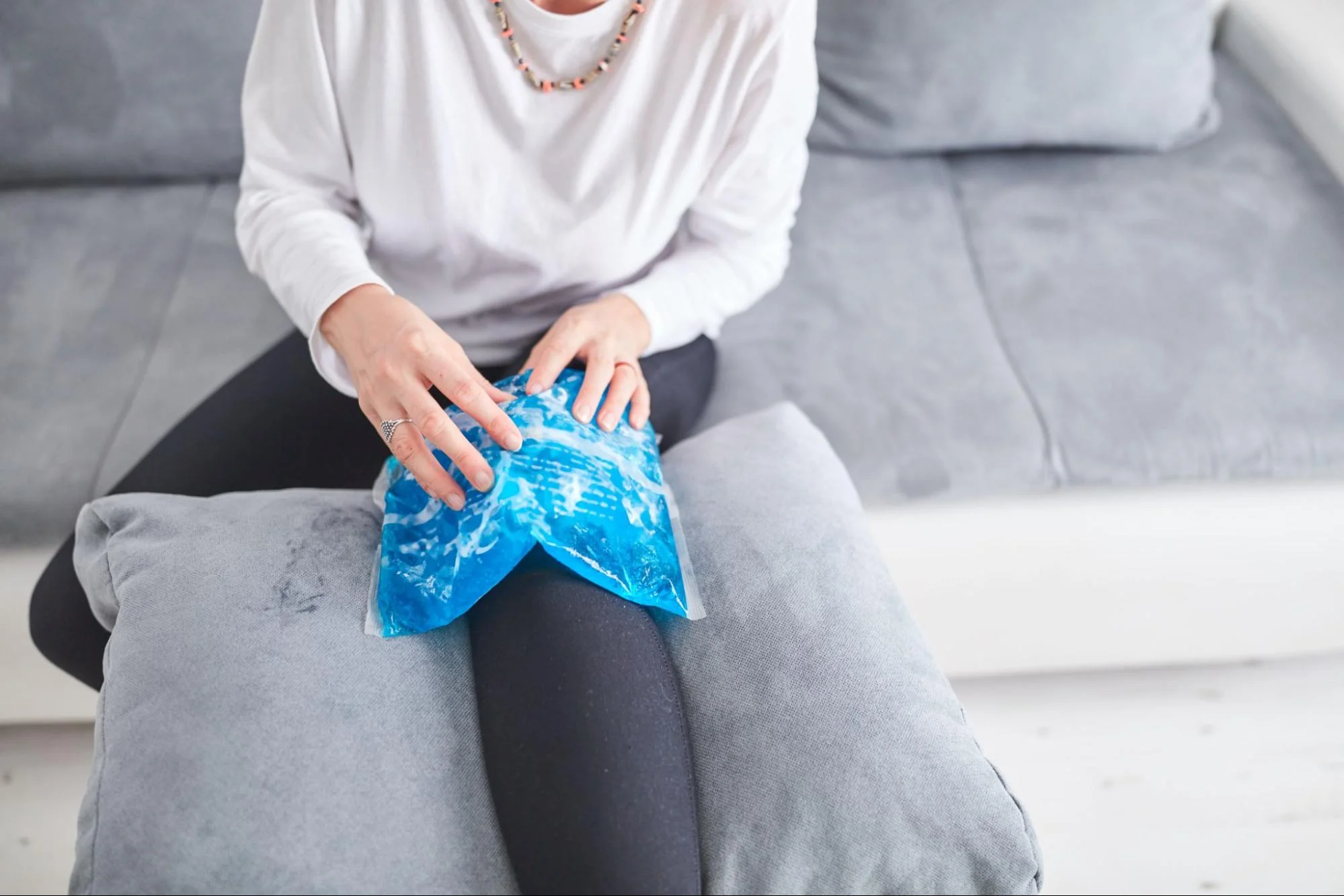
A simple cold pack/compress can be placed on the knee, or one designed with straps specifically for the knee can be used for added convenience. Note that you should never apply ice directly to your skin as it can cause frostbite or skin damage. Always use a thin fabric or towel as a barrier. For the best results, use cold therapy for 15-20 minutes, while giving the tissue enough time to return to its normal temperature before reapplying.
Heat Therapy: Relief from Chronic or Long-Term Knee Pain
In contrast, heat therapy is helpful for chronic or long-term knee pain. It increases blood flow, helping to relax tight muscles and support healing. It is particularly useful before dancing (warm-up) or after inflammation has subsided.
Applying heat can also alleviate stiffness and promote flexibility in the joints, making it beneficial for conditions like arthritis or pain lasting more than six weeks. It can also help relieve sore muscles and improve range of motion. Like cold therapy, the easiest way to apply heat to the knee is with a heating pad, warm compress, or pack.
Using Heat and Ice in Tandem
Sometimes, a combination of ice and heat is a great approach. For instance, if arthritis is causing discomfort, heat can help increase mobility before a dance session. Afterward, cold therapy may be beneficial for soothing any pain or soreness from the activity. Alternating between ice and heat within a single session is also an option, but allowing the knee time to adjust between treatments is important.
If applying heat or cold worsens knee pain, stop and consult a healthcare provider. Detailed screening and cause-specific treatments help identify the underlying issue and guide the most appropriate course of action. Seeking medical advice is recommended in cases such as:
- Sudden worsening of pain
- An open wound
- Severe swelling
- Conditions like multiple sclerosis that affect nerve fibers
- Sensory issues, such as neuropathy or Raynaud’s syndrome
Help Dancers Get Back to the Stage and Bounce Back from Knee Pain
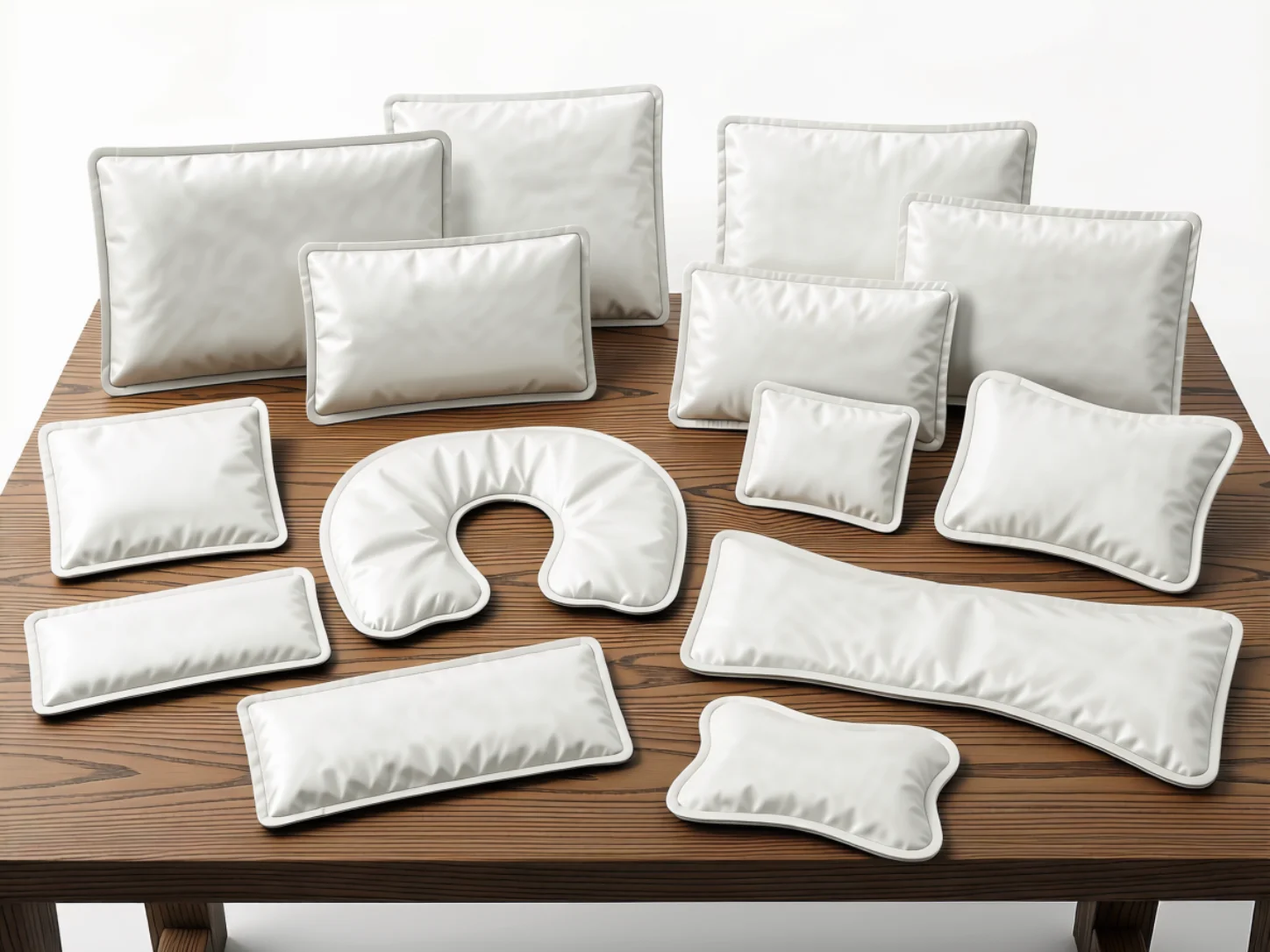
While knee pain is a common challenge dancers face, it doesn’t have to dictate their careers or passion for dance. Rapid Aid products are designed to support recovery and rehabilitation, making them an essential part of any dancer’s toolkit. By utilizing a combination of ice and heat therapies through innovative solutions like the instant cold pack and universal reusable hot & cold compress, dancers can bounce back from injuries more quickly and maintain their performance levels. We offer innovative hot and cold therapy, including hot packs and cold packs, that are user-friendly and recommended by healthcare professionals worldwide. Designed for portability and ease of use, our products are ideal for home, travel, or workplace first aid kits.
Join our growing network of retailers, distributors, and medical suppliers who trust Rapid Aid for their patients and customers. Contact us today to learn more about opportunities to enhance your product line and how we can support your business growth.
Disclaimer: The information in this article and the accompanying infographic is for reference and educational purposes only and should not be considered medical advice. Please consult a qualified medical professional for any questions or concerns regarding this information.