Summary: Varicose veins occur when weakened valves cause blood to pool, leading to swelling, heaviness, and discomfort in the legs. This blog covers key causes, risk factors, and practical symptom-relief strategies, with a focus on cold therapy. Cold therapy helps reduce inflammation, improve circulation, and ease discomfort, complementing compression, leg elevation, and lifestyle changes.
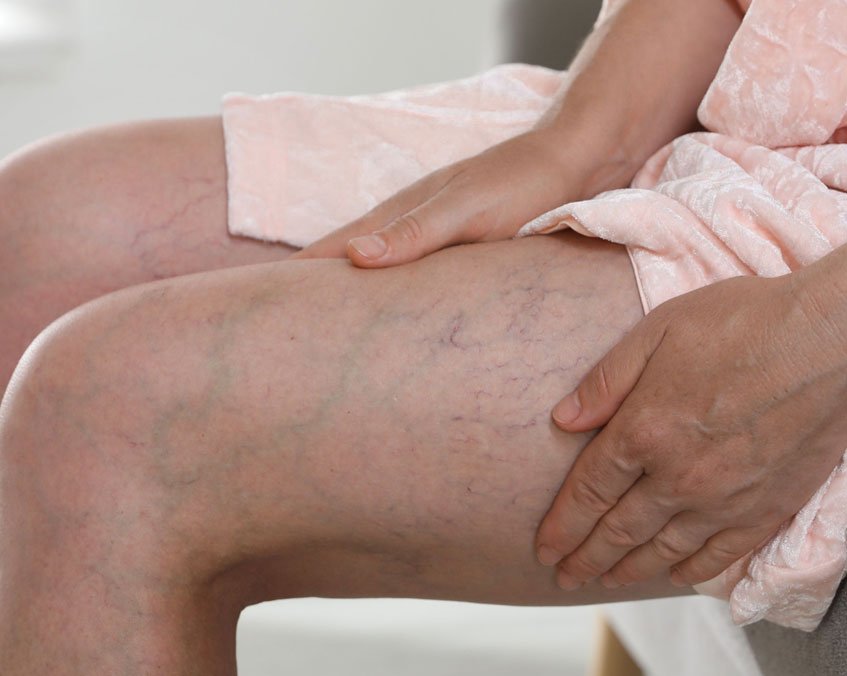
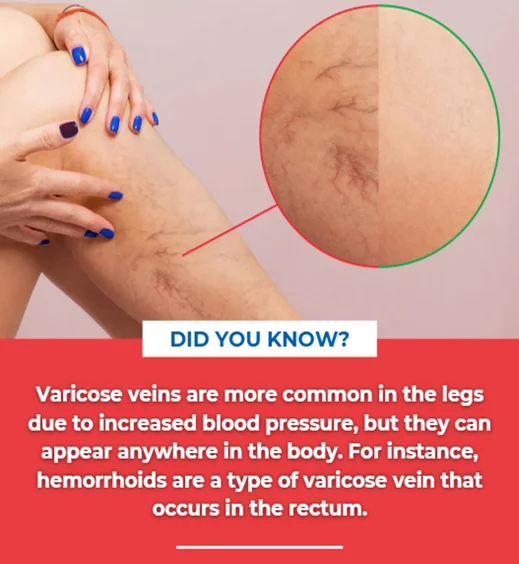
Varicose veins are a widespread vascular condition that affects up to 30 percent of adults. We’ve all likely seen it. Enlarged, rope-like bulges and twisted blue-purple veins lying just beneath the skin, most often appearing in the legs, calves, and feet. While many individuals feel self-conscious about their appearance, the cosmetic impact is only part of the concern. These veins can also trigger aching, swelling, heaviness, and persistent discomfort that interferes with daily activities.
Learning to care for varicose veins is essential for achieving optimal pain relief. In more advanced cases, medical procedures may be needed, however, many individuals prefer holistic approaches and natural home remedies to manage symptoms and support vein health. In addition to lifestyle adjustments, dietary considerations, and compression therapy, cooling strategies, such as cold compresses, provide much-needed relief from vein discomfort.
What Causes Varicose Veins?
- Advancing age
- Pregnancy
- Obesity
- Limited physical activity
- Prolonged sitting or standing
- Family history of venous conditions
Varicose veins become increasingly common with age. In the United States alone, more than 40 million people are estimated to be affected2. Among adults 50 and older, nearly 50% of women and 40% of men experience this condition. Hormonal changes, especially those related to pregnancy, menstruation, and menopause, can weaken vein walls and valves, which helps explain the higher prevalence in women.
While these veins rarely lead to serious health issues, untreated cases can progress to increased swelling, skin discoloration, or even ulceration caused by poor circulation. In some cases, worsening varicose veins may be a sign of chronic venous insufficiency and may increase the risk of more serious health complications, such as deep vein thrombosis (DVT). For this reason, it’s important to seek medical evaluation if symptoms intensify to prevent further issues.
What are the Treatments for Varicose Veins?
Treatment for varicose veins varies widely depending on symptom severity and underlying vascular issues. For mild cases, conservative measures are recommended to ease discomfort and help prevent progression. These may include:- Weight management
- Cold therapy
- Elevating feet while resting
- Regular physical activity
- Compression stockings
- Avoiding prolonged sitting or standing
- Quitting smoking
Using Cold Therapy to Ease Varicose Vein Discomfort
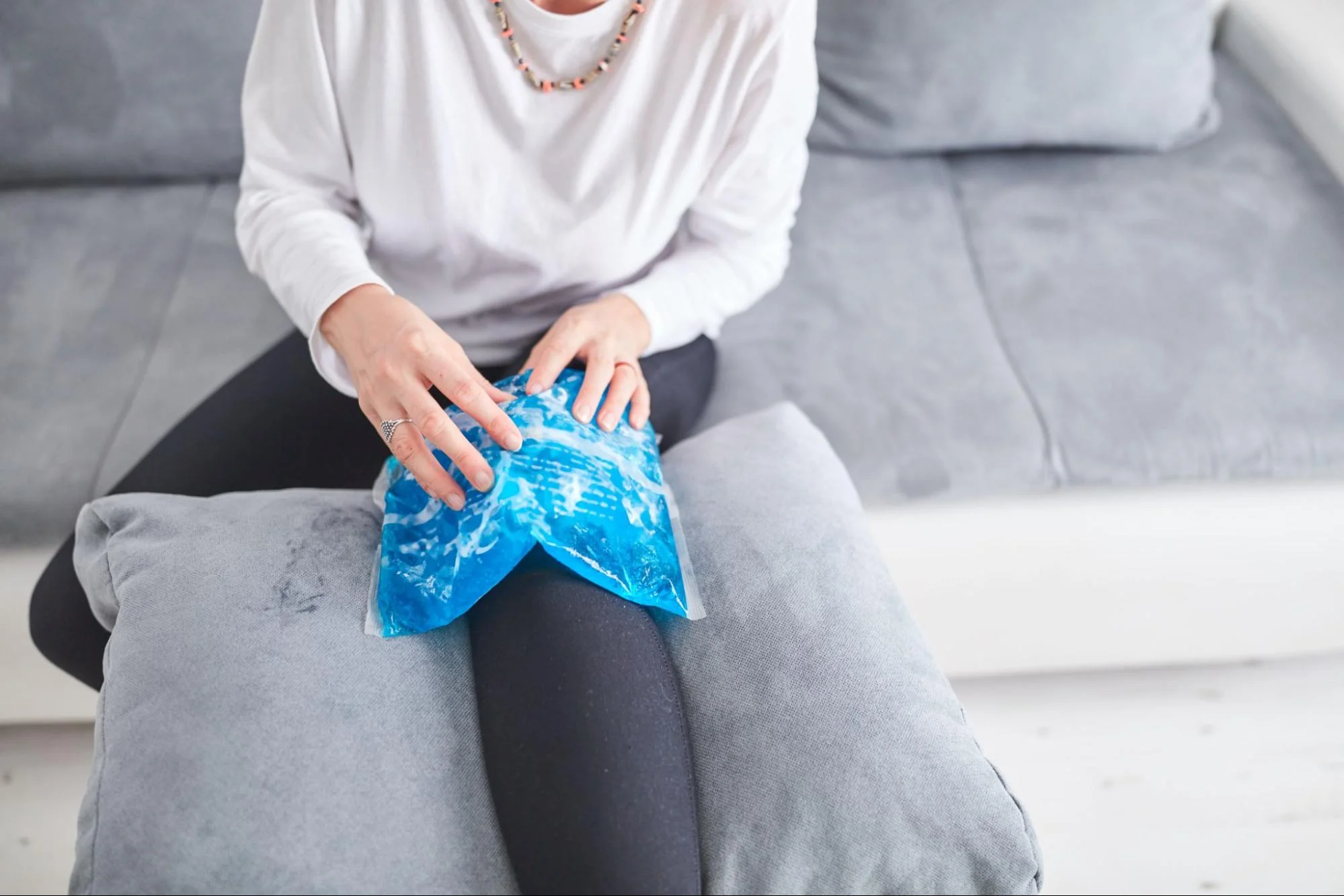
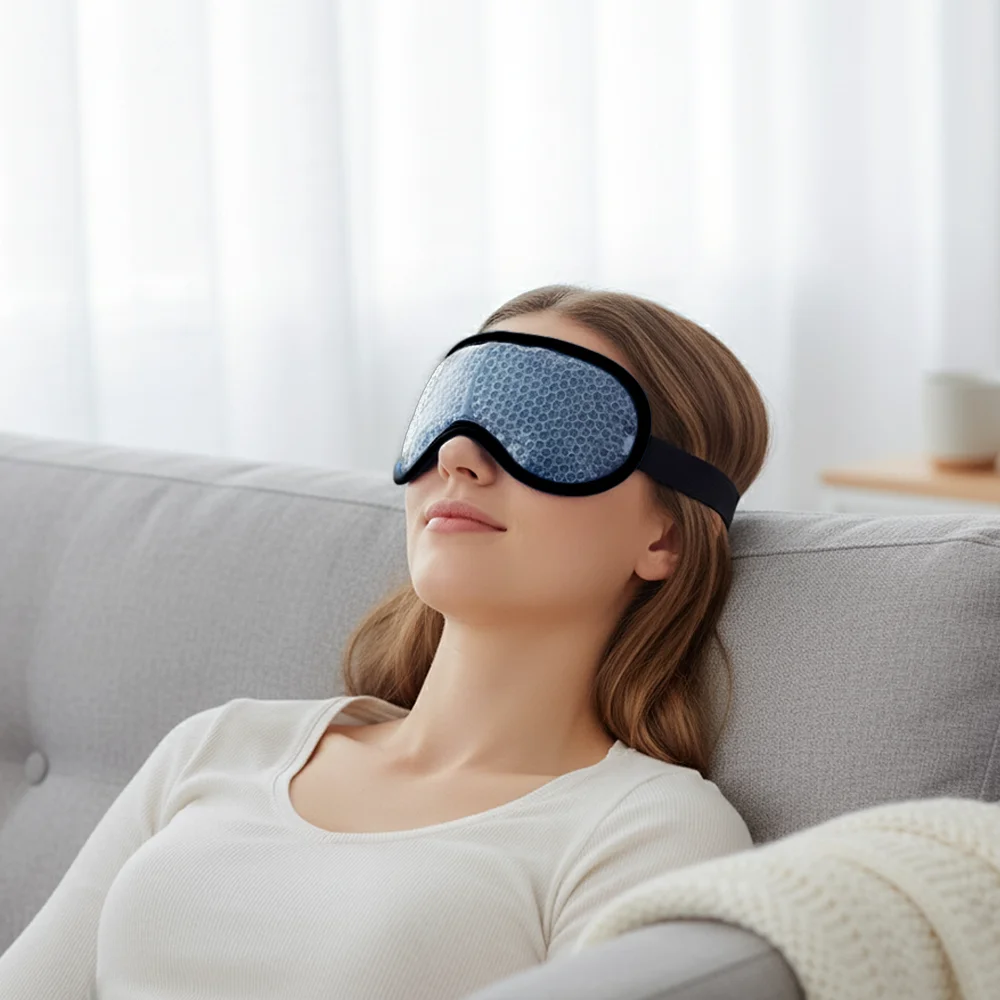
The claim that varicose vein swelling and pain worsen in summer heat and improve in cooler temperatures is widely supported by medical professionals and clinical evidence3. Heat causes veins to dilate, and, combined with gravity, this increases venous pressure, particularly in individuals with pre-existing vein issues. Cooling, on the other hand, does the opposite. Cold therapy is a simple, time-tested solution proven to ease swollen limbs. Applying a cold compress or gel pack to the affected area provides targeted relief by lowering the temperature of the overworked veins, helping reduce inflammation and soothe surrounding tissues. Furthermore, cooling constricts blood vessels, which limits blood pooling and encourages circulation. When paired with leg elevation, cold therapy can significantly ease pressure on tired veins, providing noticeable on-spot relief from swelling, aching, and heaviness, three of the most common complaints among those living with varicose veins. It’s important to note that frigid temperatures can still be harmful, so caution is advised. Just make sure to apply a cold pack or compress for 10–15 minutes at a time and avoid placing ice directly on the skin. Individuals should consult a health provider before attempting treatments such as cryotherapy.Serve The 40 Million Living With Varicose Veins By Offering Effective Relief Options
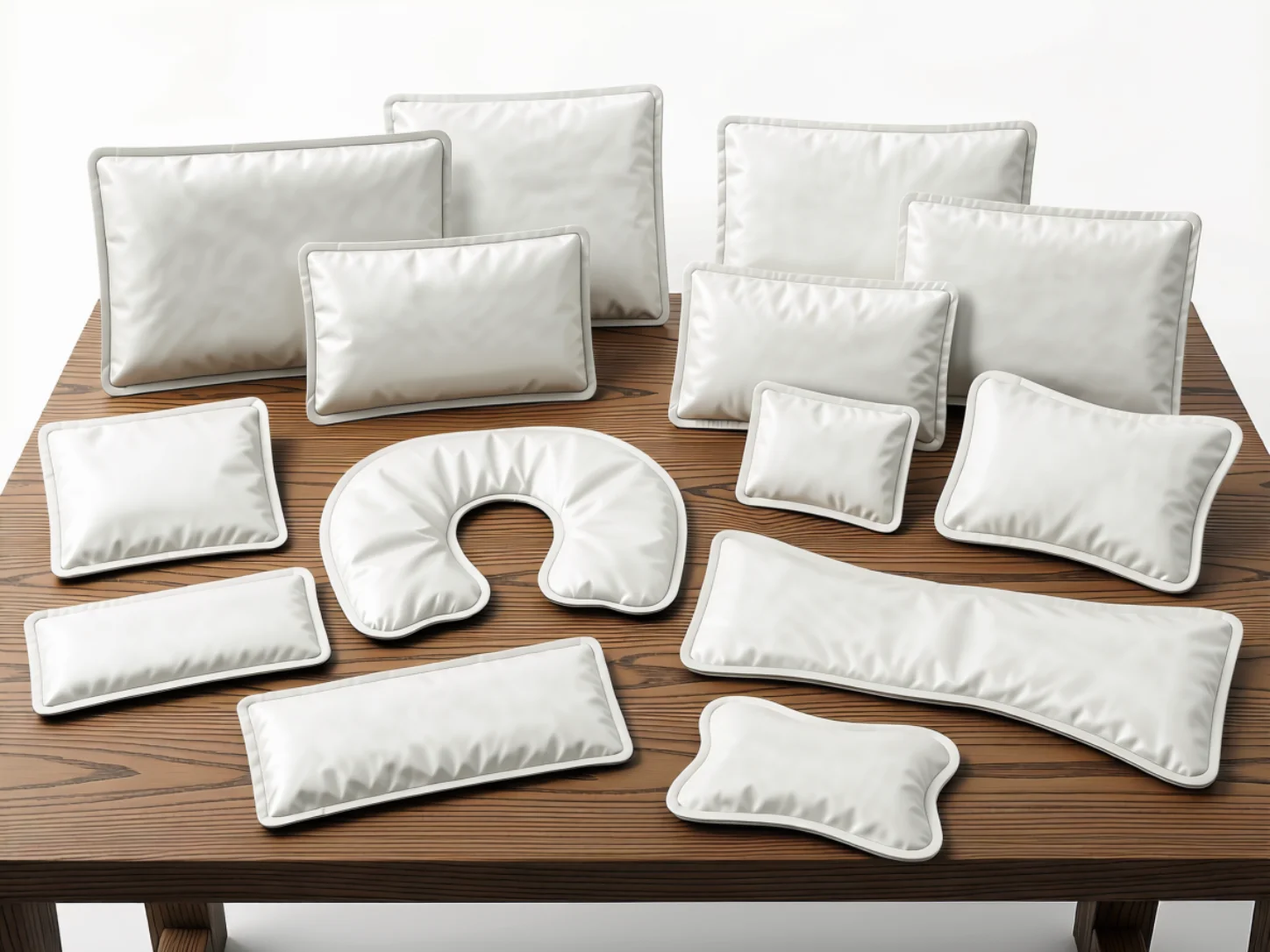
Enhance your retail or clinical lineup with high-quality cold therapy and wellness products. Rapid Aid provides ready-to-ship branded items and customizable private-label solutions designed to meet the growing demand for effective, non-invasive vein-care support. Contact our sales team for more information.Frequently Asked Questions on Varicose Veins and Its Treatment
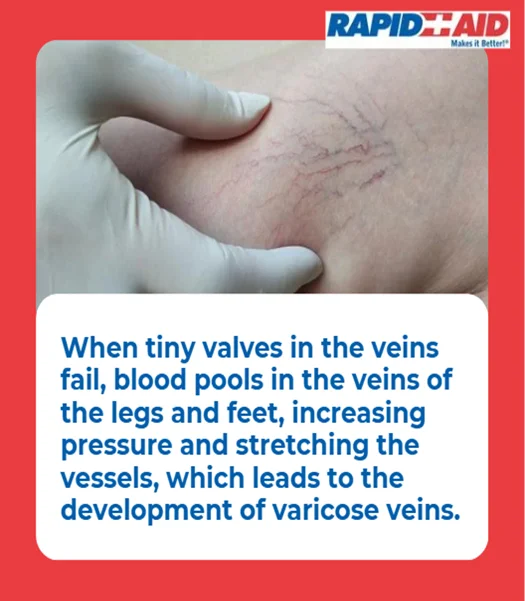
Varicose veins are dilated, tortuous veins that appear predominantly on the legs and feet. They occur due to the failure of venous valves, which normally prevent the backflow of blood. This valve incompetence leads to blood pooling within the veins, causing them to enlarge and become visibly prominent beneath the skin.
Most varicose veins are not dangerous, but untreated veins can worsen over time. Severe cases may lead to swelling, skin discoloration, or ulcers and may indicate underlying conditions like chronic venous insufficiency.
Heat therapy isn’t recommended for varicose veins. Warmth makes blood vessels expand, which can increase swelling and discomfort. It’s best to avoid heat so symptoms don’t get worse.
Yes. Applying cold compresses or ice packs directly to affected veins helps constrict blood vessels, reduce inflammation, and relieve discomfort. Cold therapy is a safe, non-invasive way to manage swelling and heaviness in the legs.
Every Rapid Aid product is built with a strong commitment to quality and safety. Our items undergo rigorous testing and strict quality controls to ensure they perform reliably and safely in any setting. With more than 50 years of experience and hundreds of millions of products sold, we’ve established ourselves as industry experts in producing quality hot and cold therapy solutions.