Summer is peak season for outdoor sports and recreation. Golf courses, tennis courts, cycling trails, parks, and playing fields all see a surge in activity as people take advantage of the longer days and warmer weather. Along with that seasonal increase comes a predictable rise in sports injuries, from rolled ankles and strained muscles to overuse conditions that develop after repeated activity.
Most of these injuries are manageable. Early intervention is the key to recovery. Cold therapy remains an effective first-line treatment for acute sports injuries, while heat therapy plays an important role later in the healing process by restoring mobility and supporting tissue recovery.
For distributors, retailers, and healthcare suppliers, understanding these treatment protocols helps ensure the right hot and cold therapy products are available when seasonal demand increases.
Why Summer Increases Injury Risk?
 Summer injuries often stem from environmental conditions paired with increased activity levels. After months of lighter exercise, many people suddenly surge their training volume, play multiple sports in a weekend, or spend hours hiking, cycling, or working outdoors. Without proper warm-ups, conditioning, hydration, and recovery, muscles, tendons, and ligaments become susceptible to injury.
Contributing factors include:
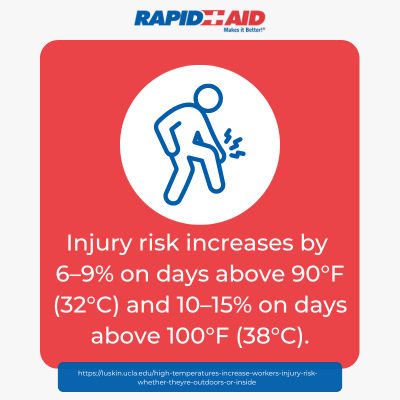
- Heat and dehydration: High temperatures accelerate fluid loss, affecting muscle function, coordination, and reaction time. According to a UCLA Luskin report, injury risk increases by 6–9% on days above 90°F (32°C) and 10–15% on days above 100°F (38°C).
- Fatigue: As muscles tire, they become less effective at absorbing impact and stabilizing joints, increasing the risk of strains, sprains, and other musculoskeletal injuries—particularly toward the end of a game, workout, or long day.
Common Summer Sports Injuries and Recommended Initial Treatment
Early intervention improves recovery outcomes. The injuries below represent the most common use cases for hot and cold therapy products during the summer season.
Injury | Common Causes | Recommended Treatment |
Sprains and Strains | Sudden twists, awkward landings, overstretching, or rapid changes in direction during sports such as soccer, basketball, tennis, or trail running. | Rest the injured area and help control swelling with compression, elevation, and cold therapy. Medical evaluation may be needed if pain is severe, weight-bearing is difficult, or a fracture is suspected. |
Overuse Injuries | Repetitive movements from activities such as running, cycling, swimming, golf, or racquet sports without adequate recovery. | Reduce activity to allow tissues to recover, then gradually return to sport. Cold therapy can help manage soreness after activity, while heat therapy may help relieve stiffness before movement. Research published in Physical Therapy in Sport found that cold therapy applied within 1 hour after exercise significantly reduced pain associated with delayed-onset muscle soreness (DOMS). |
Neck and Shoulder Injuries | Repetitive overhead movements, poor technique, or falls during activities such as swimming, tennis, volleyball, cycling, and water sports. | Activity modification and rehabilitation are often recommended, with cold therapy helping to manage pain and inflammation during the early stages of recovery. Heat therapy may be introduced later as mobility improves |
Traumatic Injuries | Falls, collisions, or high-impact activities like water sports, mountain biking, and contact sports may result in fractures, dislocations, or concussion. | Stop activity immediately and seek prompt medical assessment. Cold therapy may be used as a first-aid measure to help control pain and swelling while awaiting treatment. |
Heat-Related Illnesses – Heat Exhaustion and Heat Stroke | Prolonged exertion in hot, humid conditions, especially when hydration, rest, and cooling measures are inadequate. | Move the individual to a cool environment. For heat exhaustion, encourage rest and rehydration. Suspected heat stroke is a life-threatening medical emergency; call emergency services immediately. While awaiting professional help, use cold packs on the neck, armpits, and groin as an adjunct to assist in lowering body temperature. |
How to Optimize Cold Therapy for Acute Injury Recovery
Recovery protocols should begin immediately following an injury. The standard approach to acute soft-tissue injury management relies on the PRICE principle, where cold and compression are the core mechanisms.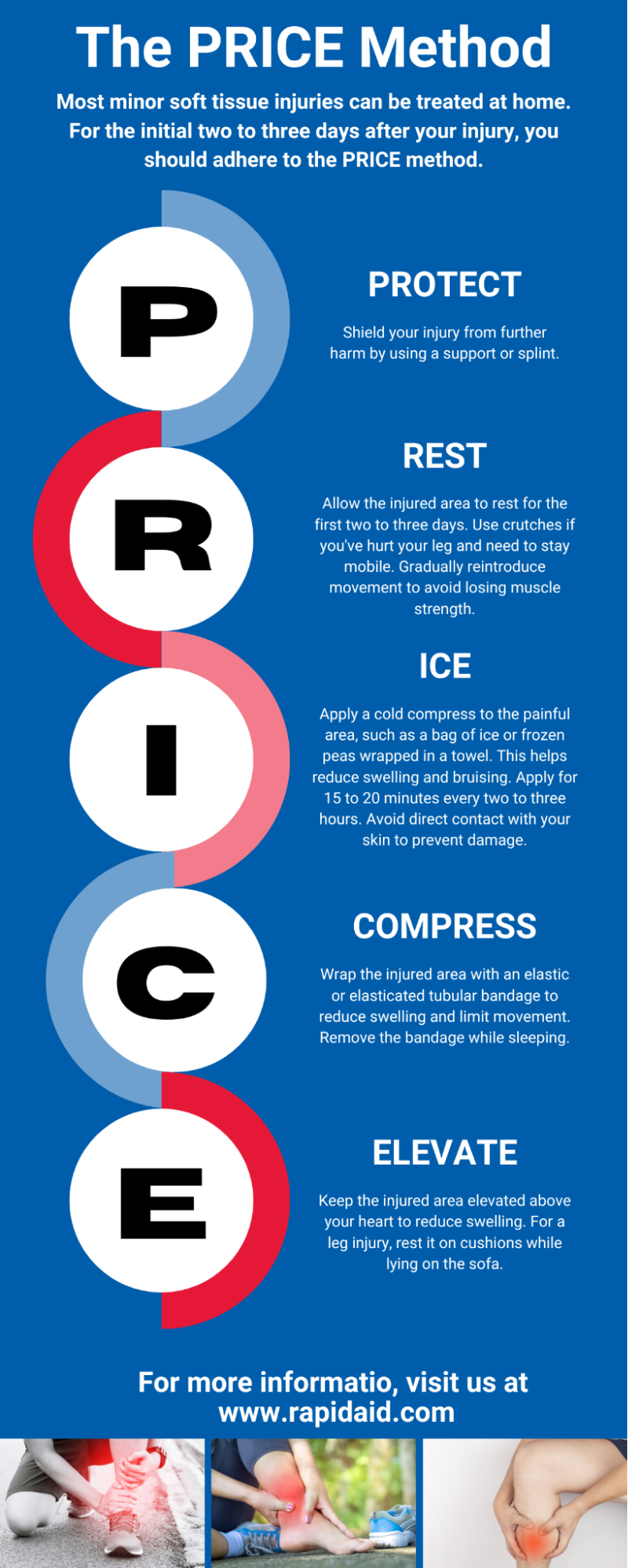
P – Protect: Defend the injured area from further stress using a splint, brace, or crutches.
R – Restrict: Stop the activity that caused the injury. Eliminate weight-bearing or functional use of the affected limb to prevent tearing fragile primary repair tissue.
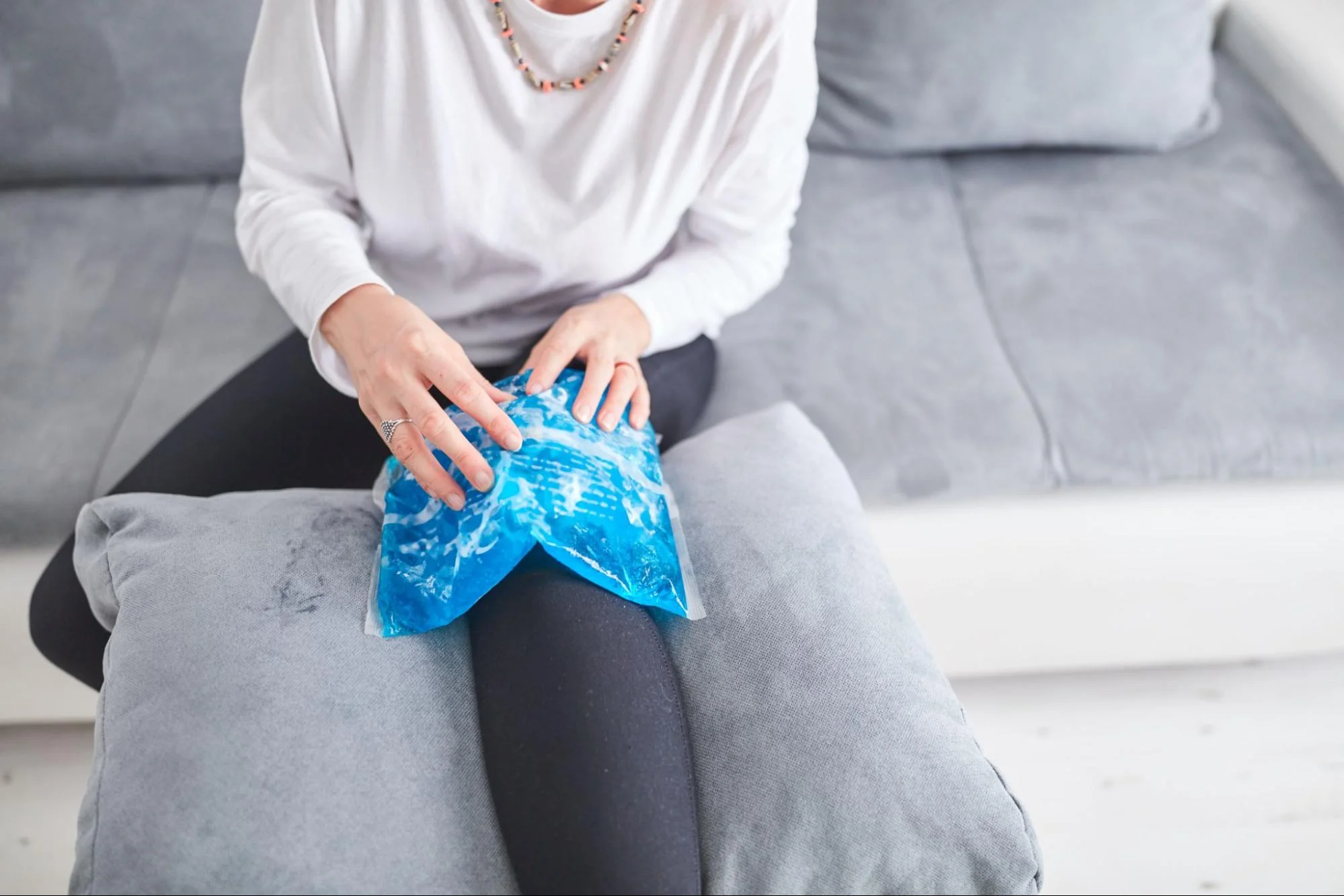
I – Ice: Apply localized cold therapy using instant cold packs or reusable gel packs. Cold should be applied for 15 to 20 minutes every 2 to 3 hours during the first 48 hours post-injury.
C – Compress: Apply active compression using an elastic bandage or an integrated cold compression wrap. Combining cold and compression is the most effective way to address acute swelling, as compression limits extracellular fluid accumulation while cold constricts blood vessels and minimizes vascular permeability.
E – Elevate: Prop the injured area above the level of the heart to leverage gravity, helping clear metabolic waste and excess fluid from the injury site.
When to Transition to Heat Therapy?
Once the acute inflammatory phase subsides—typically 48 to 72 hours post-injury—rehabilitation transitions from cold to heat therapy.
Heat therapy induces vasodilation, expanding blood vessels to flood damaged tissue with oxygenated blood, amino acids, and vital nutrients. This accelerated metabolic activity speeds up tissue repair and relaxes tight muscles.
Application Guidelines
Apply targeted heat therapy using reusable hot/cold gel packs, a heating pad, or moist heat packs for 15 to 20 minutes per session.
If applying heat multiple times a day, ensure at least a 60-minute break between sessions to prevent skin irritation or rebound inflammation.
Contraindications: Heat therapy should never be applied to acute injuries, open wounds, surgical stitches, or areas with active swelling. Additionally, individuals with peripheral neuropathy or diabetes should avoid heat therapy unless cleared by a physician, due to reduced thermal sensitivity and the risk of burns.
Contrast Therapy: Combining Heat and Cold
After the initial 72-hour window, alternating between heat and ice can optimize long-term recovery and joint mobility. This technique creates a vascular “pumping” action: heat dilates the vessels, followed by cold, which constricts them helping flush lingering fluid and metabolic waste.
- Morning / Pre-Activity (Heat): Apply heat early in the day or prior to rehabilitation exercises to alleviate stiffness, increase collagen elasticity, and improve joint range of motion. This is exceptionally beneficial for managing chronic conditions like arthritis or old sports injuries that flare up in the summer humidity.
- Evening / Post-Activity (Cold): Apply cold at the end of the day to help reduce micro-inflammation or soreness from daily movement or physical therapy.
When to Seek Medical Evaluation: Persistent pain, difficulty bearing weight, significant joint instability, or a popping sensation at the time of injury may indicate a severe soft-tissue injury or fracture and warrant immediate medical evaluation.
Support Summer Recovery with Rapid Aid
Increased summer activity drives demand for temperature therapy. Stocking the right products ensures athletes, patients, and consumers have access to effective recovery solutions.
Rapid Aid offers a comprehensive portfolio of scientifically developed temperature therapy solutions, including:
- Sports Recovery Wraps: Anatomically designed wraps that combine adjustable support with reusable hot or cold gel packs, helping deliver targeted therapy to commonly injured joints and muscle groups such as the knee, ankle, shoulder, elbow, and wrist.
- Instant Hot and Cold Packs: These single-use packs activate instantly with a simple squeeze, making them ideal for sports sidelines, first-aid kits, schools, workplaces, and remote outdoor environments.
- Premium Reusable Hot & Cold Gel Packs: Formulated to maintain therapeutic temperatures for extended periods while remaining pliable when frozen, providing body-contouring relief for sprains, strains, and overuse injuries.
We also run private label programs for retailers and distributors who want their own branded line in this category, backed by in-house manufacturing and quality control.
Contact us to learn how our hot and cold therapy solutions and private label capabilities can support your business.
Disclaimer: This article is intended for informational and educational purposes only and does not constitute medical advice.