Key Takeaways
- Menstrual pain affects an estimated 80% of women of reproductive age, making it one of the most common women’s health concerns worldwide.
- Heat therapy is the most evidence-supported drug-free option for period pain relief, with clinical backing comparable to OTC pain medication
- Consumers are actively seeking non-pharmaceutical alternatives, driving consistent growth in the women’s pain relief category
- Reusable hot gel packs offer retailers a high-repeat, high-margin product with broad demographic reach
- Understanding the clinical basis of period pain helps trade partners confidently range, position, and communicate heat therapy products.
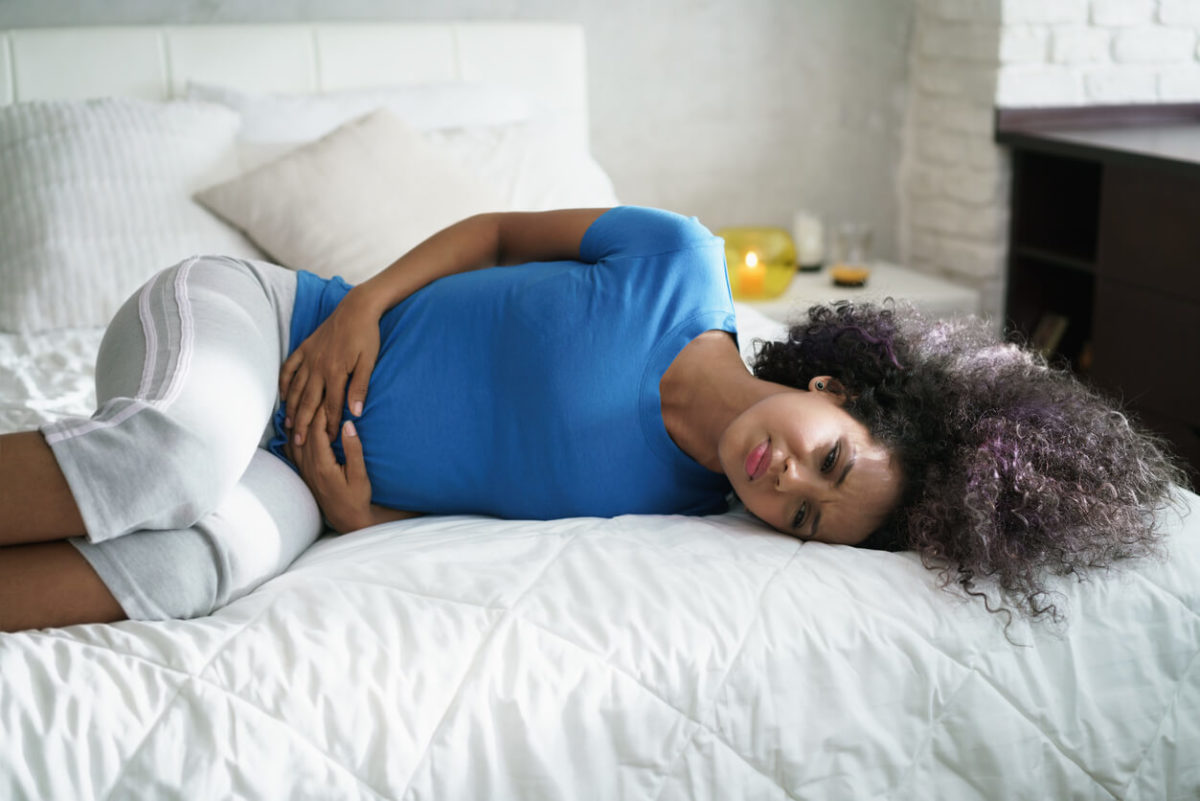
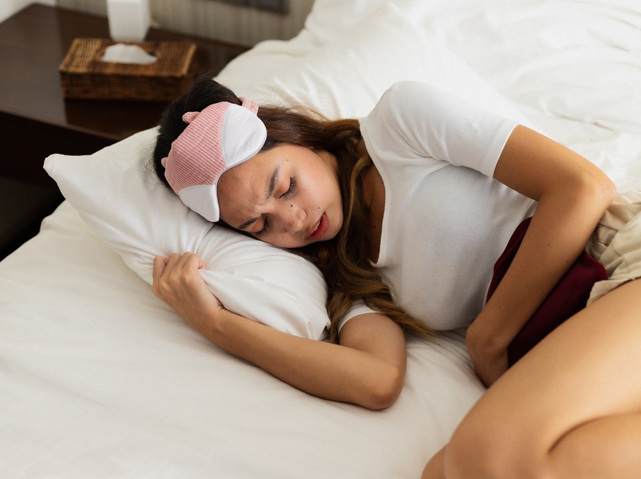
For an estimated 80% of women of reproductive age, period pain, medically known as dysmenorrhea, is a recurring, often disruptive experience. Around 15% report pain severe enough to temporarily interfere with daily activities, including work, exercise, sleep, and social routines. Many also experience accompanying symptoms: headaches, nausea, fatigue, bloating, and digestive discomfort.
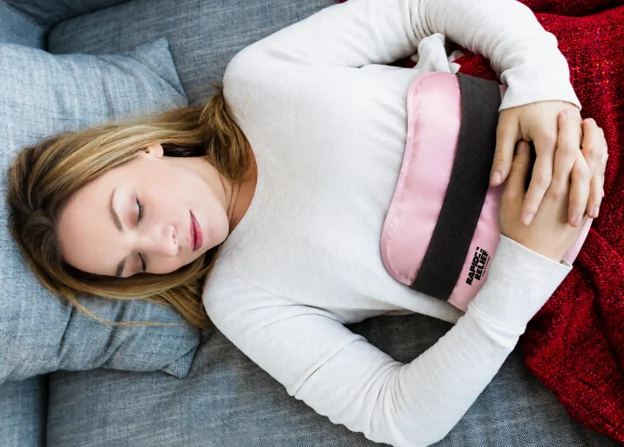
One of the most commonly recommended drug-free approaches for managing period cramps is heat therapy. By applying warmth to the affected area, women may experience improved comfort during menstruation without relying solely on medication. Despite this, many women still manage the pain inadequately, relying on methods that offer incomplete relief or carry side effects. That gap presents a valuable opportunity for retailers and wellness brands to expand their women’s wellness offerings with solutions consumers are actively seeking.
What Causes Period Pain?
Menstrual cramps occur when the uterus contracts to shed its lining during menstruation. These contractions are triggered by hormone-like substances called prostaglandins.
In the days leading up to a period, prostaglandin levels naturally increase. Their role is to stimulate uterine contractions and help remove the lining when pregnancy has not occurred. When prostaglandin levels become elevated, contractions can become stronger and more frequent.
These intense contractions may temporarily restrict blood flow to the uterus, reducing oxygen delivery to uterine tissue. This lack of oxygen contributes to the pain and cramping many women experience during menstruation.
Pain is most commonly felt in the lower abdomen but frequently radiates to the lower back, hips, and upper thighs, which is why product formats that cover multiple areas or offer flexible, wearable applications tend to resonate strongly with consumers.
In clinical terms, dysmenorrhea is split into two distinct categories:
- Primary Dysmenorrhea: This refers to common menstrual cramps without any underlying medical condition, often beginning during adolescence. Its prevalence is staggeringly high, affecting up to 90% of adolescent girls and more than 50% of menstruating women.
- Secondary Dysmenorrhea: This type of pain is typically tied to underlying gynecological conditions, such as endometriosis, adenomyosis, uterine fibroids, or pelvic inflammatory disease.
It’s crucial to recognize that severe, unrelenting menstrual pain may indicate these deeper underlying health issues. If pain is persistent, disabling, and doesn’t resolve over time, seeking urgent medical attention and a formal diagnosis from a medical professional is essential.
What Helps Relieve Period Cramps?
Consumers increasingly combine multiple pain management approaches based on symptom severity and personal preference. Strategies such as regular physical activity, dietary modifications, TENS (transcutaneous electrical nerve stimulation), and NSAIDs are used to help manage menstrual discomfort.
Among the available drug-free options, heat therapy has emerged as one of the most popular solutions, supported by clinical evidence and broad consumer acceptance. Its proven effectiveness, combined with ease of use, has contributed to growing consumer demand for heat therapy products within the broader women’s wellness market.
Heat Therapy For Menstrual Pain – What the Evidence Says
Heat therapy isn’t just a folk remedy passed down from our grandmothers. It has a growing body of clinical evidence behind it.
A 2018 systematic review of six clinical trials found that heat therapy significantly reduced pain intensity in women with primary dysmenorrhea compared to placebo, no treatment, and even some analgesic medications. Separate clinical trials have shown that continuous low-level heat may offer relief comparable to NSAIDs such as ibuprofen. Because of this, heat therapy is now included in clinical guidelines as a recommended non-pharmacological approach to managing menstrual discomfort.
Common heat methods range from home remedies like hot water bottles, warm baths, and heating pads to regulated medical devices such as self-heating medicated patches, moist heat wraps, and reusable
menstrual pain-relief compresses designed for sustained, controlled therapeutic delivery.
Advances in heat therapy have introduced wearable options that deliver a controlled level of topical warmth for up to 8 hours, providing longer-lasting comfort while allowing women to remain active and productive.
Benefits of Warm Compresses in Alleviating Menstrual Pain (Dysmenorrhea) Among Women
Here is how targeted heat therapy works to alleviate menstrual distress:
- Improves Blood Circulation: Cramps occur when contractions restrict oxygen to the uterine tissue. Warmth causes blood vessels to widen (vasodilation), increasing the flow of oxygen-rich blood to the lower abdomen to ease the core source of discomfort.
- Blocks Pain Signals: Heat alters how the brain registers discomfort. According to the Gate Control Theory, applying heat (like a warm compress or heating pad) stimulates temperature receptors on the skin, sending fast signals that effectively “close the gate” in the central nervous system before the slower pain signals can reach the brain.
- Relaxes Uterine Muscles: Continuous heat encourages the contracting uterine muscles to loosen. As the muscles relax, pressure on surrounding nerves and blood vessels drops, significantly lowering cramp intensity.
- Reduces Pelvic Congestion: Enhanced circulation improves fluid movement in the pelvic area, reducing the heavy, bloated sensation that often accompanies a period.
- Provides Comfort and Uplifts Mood: Beyond the physical benefits, the comforting sensation of warmth induces systemic relaxation. This support can trigger the minor release of endorphins—the body’s natural pain relievers—making the cycle feel much more manageable.
How Consumers Use Hot Compresses for Period Pain?
For most women, heat therapy is most effective when applied directly to the lower abdomen where cramping occurs. Some also find relief by applying heat to the lower back if discomfort radiates beyond the pelvic area.
For best results:
- Reusable hot gel packs are frequently chosen for their convenience and ability to provide ongoing relief throughout the menstrual cycle.
- Products designed for direct-to-skin application appeal to consumers seeking a simple and comfortable user experience.
- Wearable and hands-free formats are increasingly popular among consumers who want relief while working, traveling, exercising, or managing daily activities.
- Flexible, body-conforming products are preferred because they can adapt to different treatment areas and user needs.
For Wellness Retailers and Pharmacies: Capturing the Women’s Pain Relief Market
As consumer demand for drug-free menstrual pain relief continues to grow, retailers, pharmacies, and wellness brands have an opportunity to meet the rising demand for convenient, non-pharmaceutical pain management solutions.
Rapid Aid serves as the strategic manufacturing partner of choice to capture this market. We design and manufacture high-quality, reusable, and flexible gel pads specifically engineered for effective hot therapy applications. Available in multiple sizes to suit different retail formats, our products are built to contour comfortably to the body and can be paired with wraps or adjustable bands for convenient hands-free use, maximizing patient or consumer comfort while they go about their day.
As a private-label partner, we empower global brands and major retailers to bring premium, regulatory-tested hot therapy solutions to market. By integrating reusable hot gel compresses into your feminine care or pain relief departments, you provide consumers with effective, drug-free alternatives they are actively seeking, while capturing a highly profitable, high-margin stream of incremental retail revenue.
Ready to explore the range? Contact us to discuss product options, volume pricing, and private label opportunities.
Frequently Asked Questions About Period Cramps
The fastest way to relieve cramps naturally is by applying targeted heat therapy to the lower abdomen or back, which immediately relaxes the uterine muscles and increases blood flow. For fast pharmaceutical relief, over-the-counter NSAIDs (like ibuprofen) can target the prostaglandins causing the contractions.
A hot compress is significantly better for period cramps. Heat relaxes the uterine muscles and improves blood circulation, which targets the root cause of the pain. Cold compresses are generally not recommended for abdominal cramps, though they are highly effective for managing menstrual-related migraines.
For best results, a warm compress or gel pack should be applied for 15 to 20 minutes at a time. If using a regulated, low-level continuous heat wrap designed for extended wear, it can be kept on for several hours according to the product’s safety guidelines.
Retailers should prioritize heat therapy products that deliver consistent warmth, are designed for comfortable use, and meet relevant quality and safety standards. Private-label options, product customization, and dependable manufacturing support can also help brands stand out in the growing women’s wellness market.
Yes, for many individuals, clinical studies have shown that continuous low-level heat therapy provides pain relief comparable to standard over-the-counter pain medications like ibuprofen, making it an excellent non-pharmaceutical alternative.
Consult a healthcare professional if period pain is severe, disabling, keeps you from participating in daily activities, or does not improve with heat and standard over-the-counter remedies. This could be a sign of secondary dysmenorrhea, which requires an official medical evaluation