We live in an era where smartphones, tablets, and laptops are indispensable, and the human body is paying a hefty price. Indeed, much of today’s musculoskeletal issues stem from our relationship with technology. Tech neck—medically known as cervical strain syndrome—describes the epidemic of technology-related neck aches and pains caused by prolonged forward head posture while using devices.
Ditching our devices isn’t a workable option. Therefore, as more people spend hours (sometimes in a sedentary state or poor work-from home-setups) hunched over screens, there is a rising demand to explore alternative treatments and methods to prevent the aches and pains associated with tech neck. Before diving into potential treatment options, let’s first look into the mechanics of tech neck and its impact on overall health.
The Hidden Health Effects of Tech Neck
The average person spends more than seven hours a day looking at screens, and research suggests that every inch the head tilts forward places increasing loads of pressure on the spine. When in perfect posture with the head aligned at 0 degrees, the human head weighs 10-12 pounds. At a 15-degree tilt, it’s around 27 pounds of force, rising to a whopping 60 pounds at a 60-degree tilt, the typical angle for looking at a phone1. The more the neck muscles compensate for the unnatural forward tilt, the weaker they become, setting off a cycle of pain and reduced flexibility.
Now, consider how often this happens throughout the day. Checking notifications, answering emails, scrolling through social media, and attending virtual meetings all contribute to hours of undue stress on the spine. Over time, this repetitive stress can lead to soreness, stiffness, chronic pain, headaches, early-onset osteoarthritis, or even nerve compression, resulting in pain that radiates down the arms and hands. Beyond the physical discomfort of tech neck, growing concerns surround its psychological impact, as prolonged screen time heightens stress levels and contributes to digital fatigue.
Effective Tech Neck Relief for Your Customers and Patients
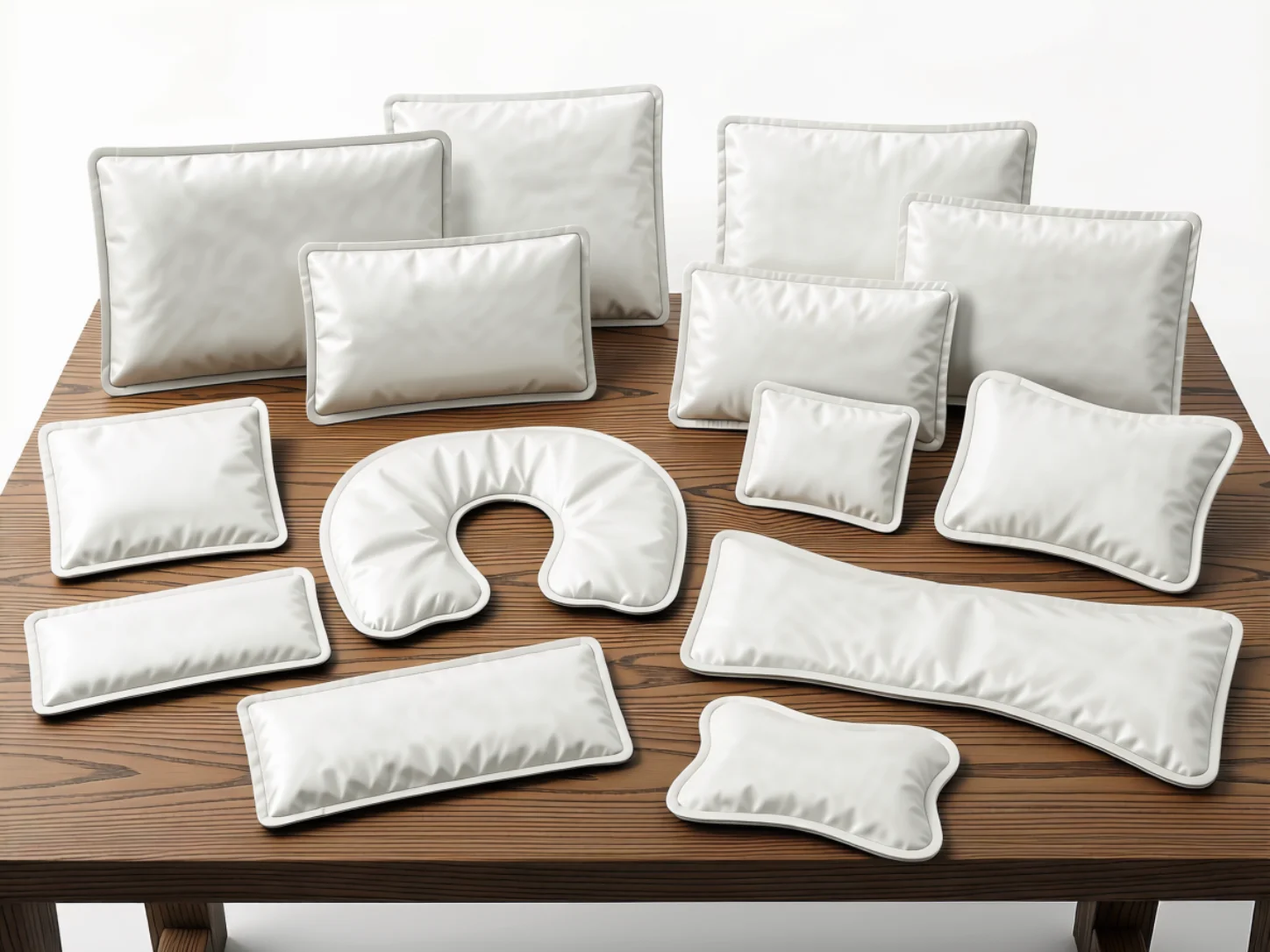
The good news is that tech neck can be managed and, in many cases, prevented with the right habits and therapeutic interventions. For individuals already experiencing discomfort, hot and cold therapy provides a drug-free, non-invasive approach to relief. Cold therapy reduces inflammation and numbs pain, making it ideal for acute pain and flare-ups in the first 48 to 72 hours. Applying a cold compress, ice packs, or cold gels for 15-20 minutes can reduce the aching and relieve soreness, especially after long hours at a desk.
When the swelling has subsided, heat therapy is recommended to relieve any lingering tension, stiffness, or chronic pain. Heat increases blood flow and promotes relaxation, helping to relax muscles and improve flexibility and range of mobility. A warm compress or heating pad used after stretching can loosen the neck and shoulders, alleviating stress-related neck pain and tension headaches. Medical distributors and retailers looking to meet the demand for effective pain relief solutions can benefit from stocking Rapid Aid’s high-quality hot and cold solutions to support tech neck sufferers.
It’s possible to combine hot or cold therapy with other treatments to provide relief to tech neck symptoms. Other treatment options may include;
- Medications
- Physical therapy
- Lifestyle modifications
While heat and cold therapies are excellent self-care treatment options, persistent neck pain may require professional medical assistance. Consulting a healthcare provider can diagnose the severity of your condition and recommend appropriate treatment options. Severe cases involving issues such as herniated discs or nerve compression may require surgical intervention.
Tips to Prevent Tech Neck Syndrome
Preventing tech neck starts with mindful habits. This includes maintaining good posture with proper lumbar support, taking regular breaks, and positioning the device to minimize strain on the head, neck, and upper limbs. Exercises such as neck stretches, shoulder retractions, chin tucks, and upper back exercises can also be incredibly beneficial, as they help strengthen the muscles and improve overall posture.
Become Part of Our Network of Satisfied Partners
The reality is that tech neck is a modern challenge affecting everyone—from office workers to students and even young children. This growing issue presents an opportunity to offer practical solutions to millions feeling the strain of screen time.
Rapid Aid is a name medical distributors and retailers can rely on for medical-grade hot and cold therapy solutions. Stocking our high-quality products ensures customers and patients receive safe, effective relief backed by a manufacturer known for innovation and proven results in musculoskeletal care. Contact us to explore how we can support your business.