Summary: Cold therapy is an age-old remedy with deep roots in traditional healing and has found new relevance in modern skincare. With proven benefits and growing consumer interest, it’s becoming a go-to approach for those looking to support skin wellness through simple, non-invasive methods. This article examines the science behind its effectiveness, the skin concerns it can help address, including puffiness, dullness, and loss of firmness, and provides guidance on incorporating it into a regimen.
The skin, our body’s largest and most exposed organ, protects us from the elements and helps regulate body functions. With age, however, the skin naturally begins to lose its firmness and elasticity, leading to common concerns such as fine lines, wrinkles, and sagging. As individuals seek effective solutions to maintain radiant skin and slow visible signs of aging, cold therapy offers an intriguing alternative.
Cold therapy, sometimes known as cryotherapy, has long been championed for its ability to reduce pain, control inflammation, and support post-injury recovery. Specifically for skin health, cold therapy offers multiple benefits, including reduced inflammation, smaller pore size, and increased collagen production, all of which promote enhanced skin elasticity.
Cold Therapy as a Tool for Improved Skin Vitality
If you’ve been scrolling through lifestyle content on social media lately, you’ve likely come across the viral cold plunge or people plunging their faces into bowls of ice water. While it may seem like just another passing trend, this modern fascination with cold therapy is rooted in centuries of practice and supported by growing scientific research.
 As far back as ancient civilizations, influential figures such as Hippocrates (father of modern medicine) and Galen from Greece and Rome, respectively, advocated for the health benefits of cold water immersion, including its use in treating various ailments1. Centuries later, in the early 1700s, British physicians like James Currie and John Floyer further studied and popularized the practice, laying the groundwork that resonates with modern cryotherapy practices.
The premise is simple: expose the skin to cold temperatures, either through cooling or cold compresses, ice massages, or immersion in cold and icy water, to trigger a chain of physiological responses that can benefit the skin.
The science behind this practice lies in how the body reacts to cold. When exposed to low temperatures, blood vessels first narrow (vasoconstriction), then widen again (vasodilation) as the body returns to its normal temperature. This cycle helps boost circulation, flush out waste, and deliver fresh nutrients to the skin, key factors in supporting a healthier, more radiant appearance.
 Let’s go through some of the most commonly observed benefits of cold therapy on skin health.
1. Stimulates Production of Collagen
Collagen is the most abundant protein in the skin, responsible for its structure, firmness, and elasticity. Unfortunately, collagen production declines with age, leading to the development of fine lines and skin laxity. Cold therapy may help slow this process. When cold is applied to the skin, blood vessels constrict and then dilate once the cold source is removed. This vascular “exercise” increases circulation and encourages nutrient-rich blood flow, potentially stimulating fibroblasts, the cells responsible for producing collagen.
In a 2015 study, 91% of participants demonstrated diminished forehead wrinkles after undergoing focused cold therapy for this reason2. Many dermatologists also report that patients who regularly use cryo-facials or cold compresses experience improved skin firmness and resilience.
2. Reduces Inflammation
Inflammation is at the root of numerous skin concerns, including acne, eczema, rosacea, acne lesions, and post-treatment irritation. Exposing the skin to cold temperatures has been shown to reduce inflammation and soothe itching in some patients. Cold exposure helps to decrease cytokine production, a known driver of the inflammatory response, potentially reducing the skin’s inflammatory status. This response can lead to an improvement in the skin barrier function, which is often compromised in individuals with dry, itchy, and inflamed skin. Many individuals and clinics already rely on cold packs as a soothing follow-up to active treatments.
3. Reduces Sebum Production
Excess sebum production can lead to breakouts, clogged pores, and a shiny complexion. Cold therapy plays a role in balancing sebum output. By tightening the skin and reducing sebaceous gland activity, cold packs or rinses can help regulate oil levels without stripping the skin’s natural moisture. In fact, controlled local skin cooling can temporarily reduce oil production by damaging sebaceous glands without harming the surrounding skin3.
4. Boosts Circulation to Promote Radiant, Healthy Skin
While cold exposure first causes vasoconstriction, it’s when the body starts to rewarm that blood flow increases. This response enhances blood circulation, allowing oxygen and essential nutrients to reach the skin more effectively. As a result, the skin benefits from improved tissue repair and reduced inflammation, leading to a fresher, more revitalized appearance. With consistent cold exposure, the skin gradually becomes healthier, more even-toned, and naturally radiant.
5. Reduces Puffiness and Boosts Skin Wellness
The physiological response to cold exposure reduces puffiness and facial swelling (pesky under-eye bags) by constricting blood vessels, resulting in a firmer, more youthful appearance. It also supports lymphatic drainage, a crucial process for eliminating waste and toxins from the body’s tissues. Moreover, cold exposure triggers the release of endorphins, which boost mood and mental clarity. This stress relief can indirectly improve skin health by minimizing stress-related flare-ups and promoting overall well-being.
6. Promotes Pain Relief and Skin Healing
Cold therapy is well known for its analgesic effects. By numbing nerve endings, it helps reduce the perception of pain in inflamed or irritated skin, making it particularly useful for conditions such as sunburn, insect bites, or post-procedure discomfort. The drop in skin temperature also helps constrict blood vessels, which slows the rate of inflammation and reduces the risk of swelling and tissue damage. This can also accelerate the healing process of minor skin injuries.
7. Strengthens Immunity for Clearer Skin
A strong immune system plays a crucial role in maintaining healthy and blemish-free skin. Cold water therapy activates hormesis, a process where mild stress, like cold exposure, encourages the body to adapt and build resilience. Recent research published in the Journal of Thermal Biology (October 2024) demonstrates that regular cold showers can significantly boost immune function by increasing important antibodies (IgG, IgA, IgM) and immune signaling proteins (interleukin-2 and interleukin-4)<sup4. This enhanced immune response enables the body to fight infections and inflammation more effectively, which can help reduce skin issues such as infections, rashes, and breakouts, resulting in a clearer, more balanced complexion.
Integrating Cold Therapy into a Skincare Regimen
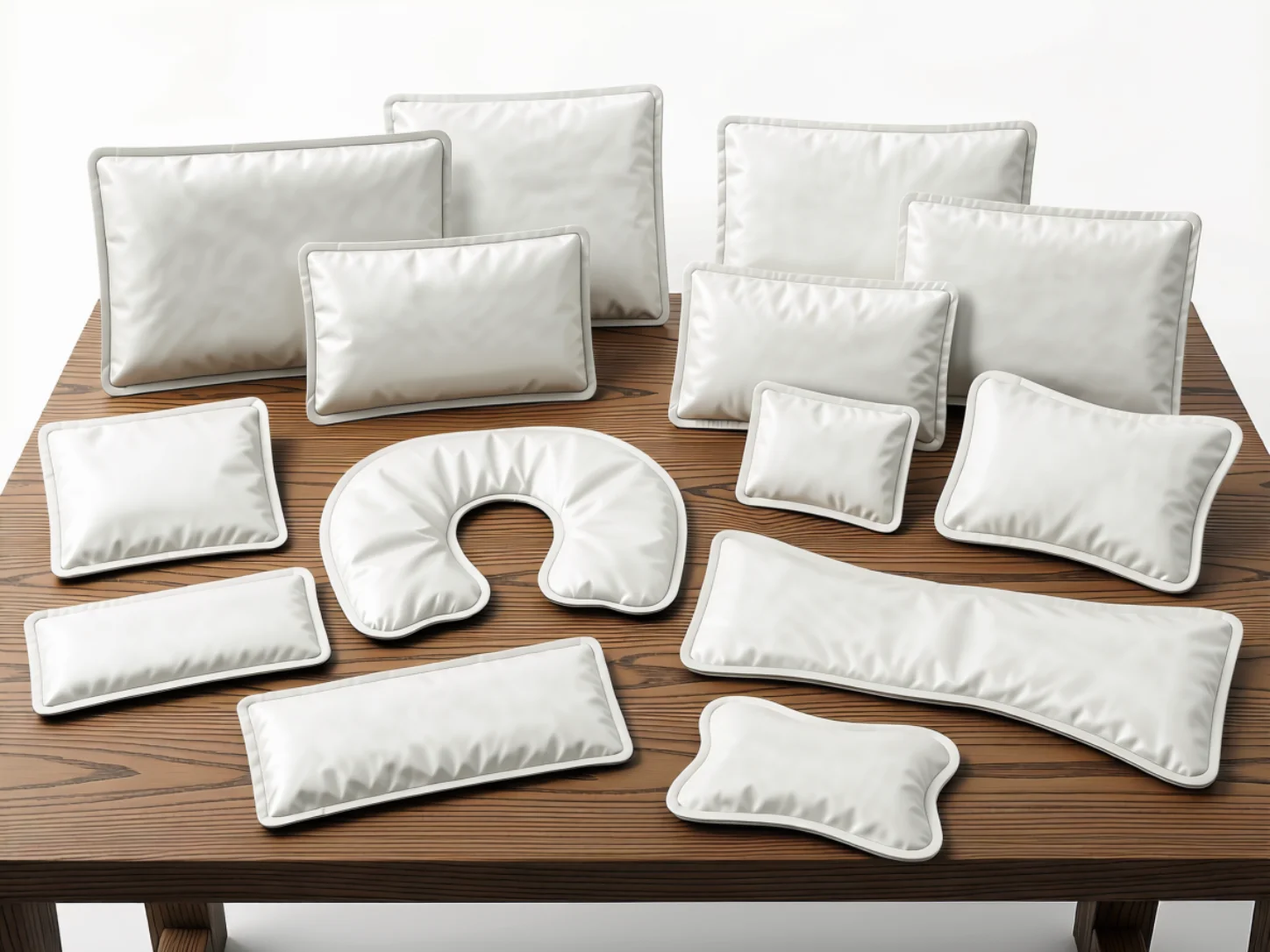
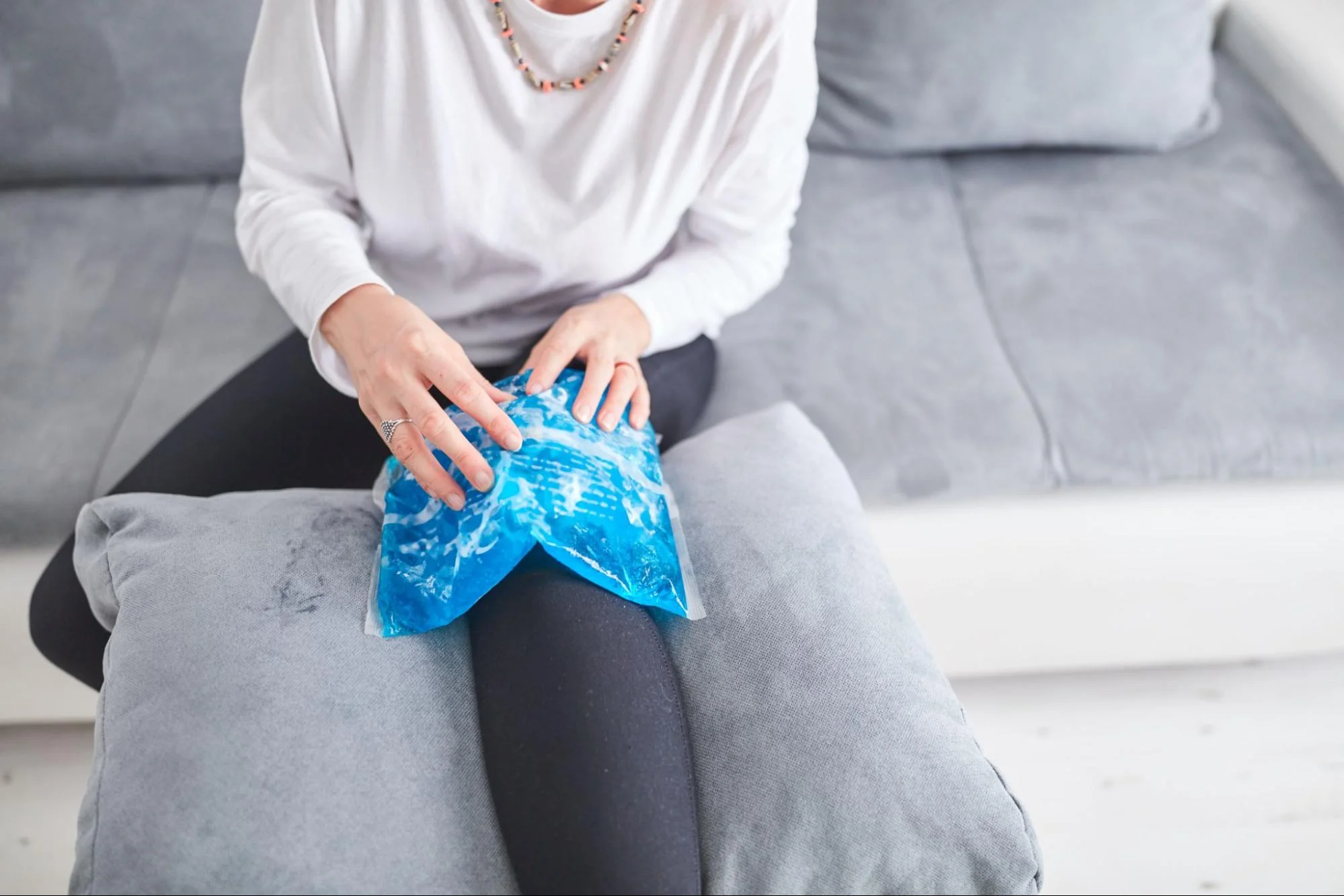
If done correctly, skin icing can be a low-risk enhancement. A chilled gel pack or cold compress made from soft, high-quality materials can, in just 5 to 10 minutes, help refresh the skin, tighten pores, and prime the face for application of skincare products. It’s a simple step that fits neatly between cleansing and moisturizing, offering instant refreshment and long-term skin benefits. Cool compresses can also be used after sun exposure, exfoliation, or cosmetic treatments to soothe the skin and promote healing.
Other ways to incorporate cold therapy into skincare include taking cold showers, using ice water facials, taking ice baths, or undergoing sessions in a cryotherapy chamber. However, as with all skincare interventions, some considerations are necessary. Overuse or applying cold directly without a barrier may damage the skin, especially in sensitive skin types. It’s also essential for individuals with underlying vascular conditions or cold sensitivities to consult a dermatologist before introducing cryotherapy-based treatments.
Post-sun recovery matters just as much
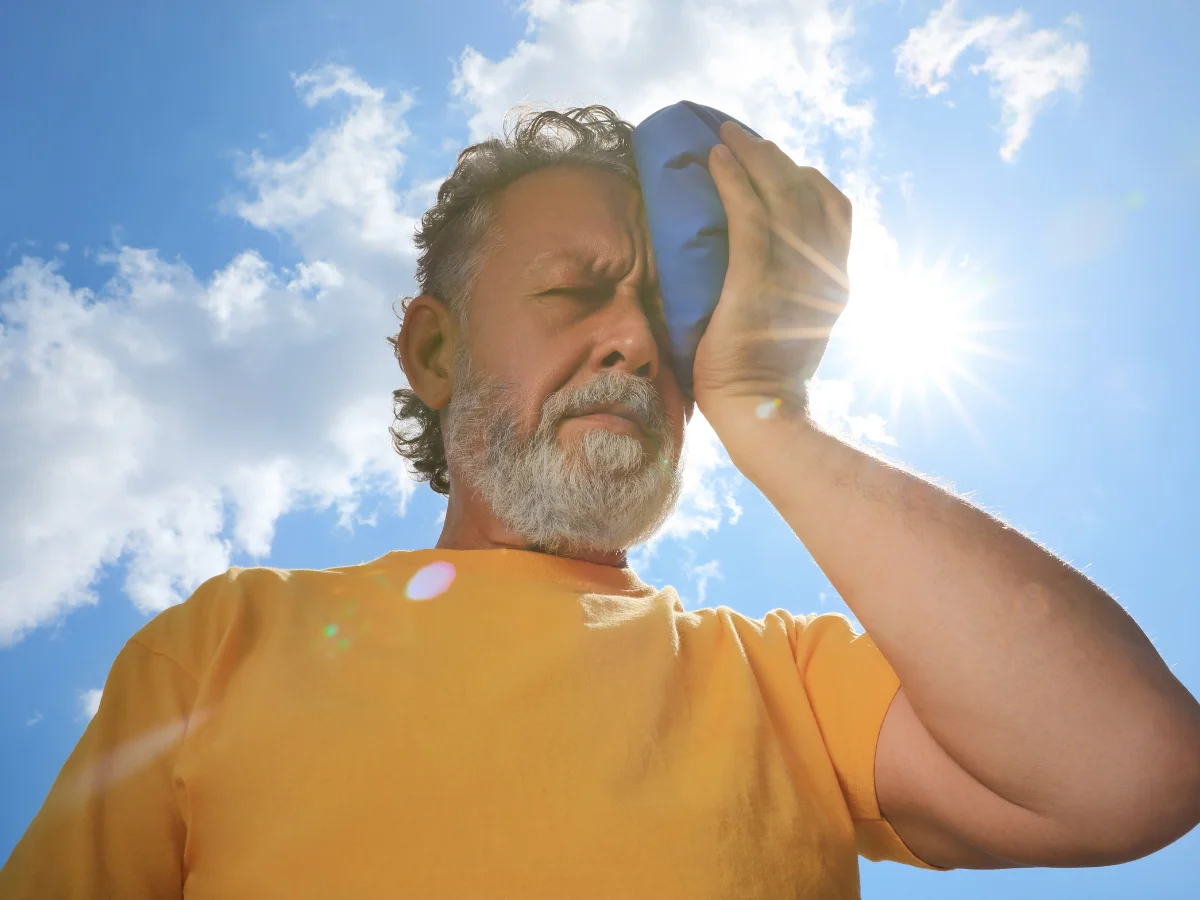
Hot, humid conditions can amplify skin stress, leading to sunburn (caused by UVB rays), heat rash, and inflammation. For individuals with conditions like eczema, flare-ups are common during warmer months, as increased sweating and the use of indoor air conditioning can lead to both irritation and dryness. Cooling techniques, deep hydration, and gentle topicals can help restore the skin and prepare it for another sunny day.
Partner with Us
Rapid Aid offers scientifically engineered cold therapy products that empower consumers to naturally take control of their skin’s health. For big-box retailers, pharmacies, and distributors, this is your opportunity to expand your portfolio with a trusted, high-demand category that combines innovation, safety, and proven results. We also offer private label options—customizable solutions to grow your brand. Contact us to learn more.
The information and advice provided are general in nature and should not be considered a substitute for professional or medical guidance. Please consult a qualified healthcare professional for personalized advice if needed.