Recent U.S. tariffs on Chinese medical imports, including temperature-related therapy products, are altering the supply dynamics across the healthcare and retail sectors. These new tariffs expose critical gaps in the supply chain and force retailers and medical suppliers to confront an uncomfortable truth: reliance on offshore production in this category has become a liability. With pricing volatility and disrupted logistics now part of the equation, many are seeking domestic solutions to ensure inventory consistency and reduce long-term risk.
Today’s headlines are rife with news that Chinese low-cost giants like Temu are forced to raise prices due to new U.S. import tariffs1, squeezing the margins that once made offshore products so attractive. Some suppliers are cutting corners even further to keep appealing to price-conscious consumers, pushing already low-cost items to be made cheaper, often at the expense of quality. In markets like hot and cold therapy, poor-quality products can be dangerous, bypassing critical industry standards, safety inspections, and durability requirements.
At the same time, hot and cold therapy has outgrown its niche reputation. Once considered a back-of-the-shelf item, it’s now front and center in consumer wellness routines, athletic recovery, injury prevention, and workplace safety programs. For major retailers and medical distributors, these products represent a significant growth opportunity but also a new area of operational risk if supply chains remain dependent on offshore imports.
A Fast-Growing Market with Everyday Relevance
The numbers speak for themselves: the global hot and cold therapy market is valued at $1,557.8 million in 2025 and is projected to more than double, reaching $3,290.2 million by 2035, driven by a CAGR of 7.8% (Future Market Insights, 2024).2 In the U.S., the market alone is projected to reach $380.75 million by 2028, with an 8.73% CAGR.
Heat and Cold Therapy Market Drivers
A report from Mordor Intelligence notes that North America is the largest market for hot and cold therapy packs, attributing this to factors such as a significant geriatric population and a high prevalence of chronic conditions necessitating pain management solutions.3
The interplay of these factors opens up a wealth of opportunities for retailers and distributors in this space to cater to the evolving needs of patients worldwide. Our long-term strategy is to support these entities with regionally manufactured solutions to address demand and cost factors.
Let’s look at some factors demonstrating the need to support these statistics.
An Aging Population and Rising Chronic Illness Rates
Globally, the population is aging rapidly. The UN’s Department of Economic and Social Affairs projects that the number of people aged 60+ will more than double, from 761 million in 2021 to over 1.6 billion by 20504. In North America, the population is aging quickly as well. By 2050, adults aged 60 and older are expected to make up 28% of the population, with the U.S. alone seeing its 65+ group grow from 55.8 million in 2020 to 82 million by mid-century, nearly a quarter of the country.
Along with this shift, nearly 4 in 10 older adults report living with chronic pain, increasing the everyday need for simple, non-invasive ways to support comfort, mobility, and independence as people age.
It’s Not Just the Elderly With a Prevalence of Chronic Pain and Musculoskeletal Conditions
It’s not just older adults feeling the strain — across all age groups, more people are struggling with chronic back, neck, shoulder, and joint pain, much of it caused by sedentary lifestyles and long hours spent at desks or on screens. According to the World Health Organization, musculoskeletal conditions now affect nearly 1.7 billion people globally, making them a leading cause of disability and reduced work productivity5. As a result, demand for accessible, non-invasive pain management is rising.
Natural, At-Home Wellness Solutions
Consumers are also rethinking their approach to pain relief. A growing segment of the population prefers natural, at-home wellness solutions due to a desire for greater control over their well-being, a growing awareness of the potential side effects of traditional medicine, and a preference for simpler, more holistic health approaches. This trend is particularly evident among Gen Z, millennials, athletes, and fitness enthusiasts who seek alternatives that align with their health-conscious lifestyles.
Hot and cold therapy products have become one of the simplest, most affordable tools for easing post-workout soreness, relieving headaches and migraines, and helping people recover from workplace or sports injuries, whether at home or in clinical care.
Rise of Instant Therapy Products on Retail Shelves
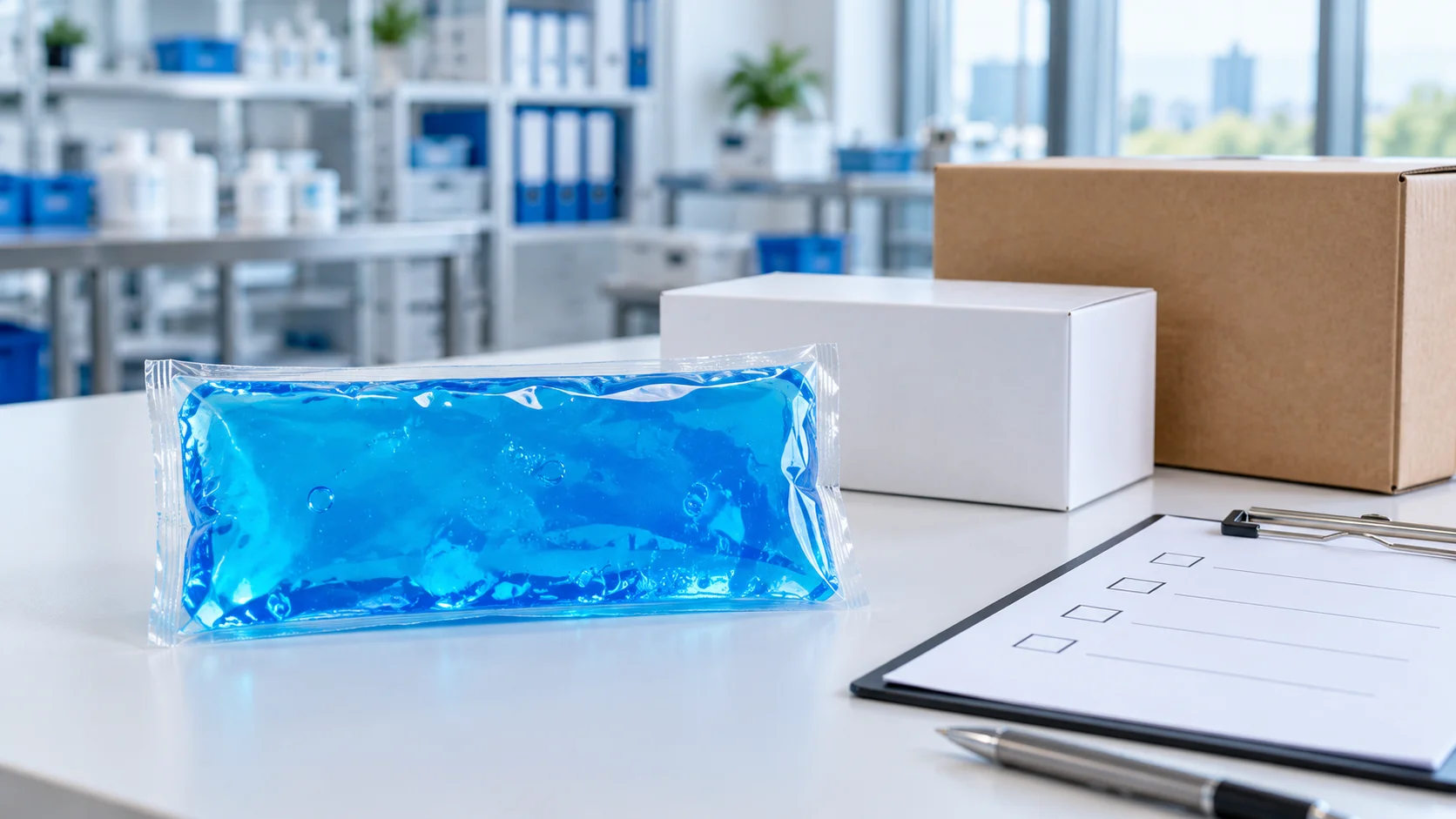
Instant hot and cold packs are emerging as high-performing SKUs across multiple categories. Their ease of use, lack of need for external heating or cooling, and broad appeal across different age groups make them an excellent choice for consumers seeking fast and reliable relief. As demand grows, retailers are giving these products prime shelf space and cross-merchandising them with items such as fitness, pharmacy, and personal care products.
Some retailers we work with use cross-merchandising strategies to boost the visibility and sales of instant hot and cold packs by placing them near related products like fitness gear, pharmacy items, first aid kits, and personal care essentials. This approach encourages impulse buys, as shoppers picking up pain relievers, sports equipment, or wellness products are more likely to grab a convenient, ready-to-use hot or cold pack. By positioning these items across multiple sections, retailers tap into different consumer needs — from athletic recovery to everyday home care — driving complementary purchases and maximizing shelf impact.
Product Innovation and Consumer Expectations
The category is experiencing exciting innovation, making it easier than ever for shoppers to find products that truly fit their needs. Today’s packs don’t just deliver heat or cold — they feature ergonomic designs shaped to target specific muscle groups, using advanced materials that hold temperature longer while feeling soft and comfortable against the skin. Adjustable straps help users secure the packs firmly and customize the fit for different body parts and sizes, ensuring effectiveness and comfort.
There’s also growing variety in the types of packs available: gel bead designs offer a textured, flexible feel that molds easily to the body, while standard flexible gel packs provide smooth, even coverage. Instant hot and cold packs add another layer of convenience, giving consumers on the go relief without the need for a freezer or microwave. As people increasingly look for products that combine performance, comfort, and flexibility, these thoughtful innovations are helping brands stand out on the shelf and capture shopper interest, ultimately driving category growth.
Let’s Talk Tariffs
As the hot and cold therapy market expands, companies like ours face a fresh set of challenges from tariffs on key raw materials. Imported fabrics, plastics, gels, and preservatives — all critical to products like hot/cold packs and wraps — are increasing global costs due to trade restrictions and duties. This pressure manufacturers to maintain quality and affordability without passing unsustainable expenses on to customers.
We are tackling these challenges head-on by opening a centralized U.S. location for manufacturing and distribution, expanding local sourcing, and reassessing product designs to reduce dependence on tariff-affected materials. By investing in a more resilient and flexible supply chain, we can continue delivering innovative, reliable hot and cold therapy solutions — even in the face of shifting global market pressures. This proactive approach helps us stay ahead and keep customer needs at the forefront.
Rapid Aid Has the Strategic Advantage of North American Manufacturing
Retailers and suppliers looking to reduce risk and respond quickly to demand shifts are now turning to North American manufacturing. Rapid Aid is uniquely positioned in this space, with manufacturing facilities in Mississauga, Ontario, and Moberly, Missouri. Our North American footprint provides consistent access to high-quality, ready-to-sell hot and cold therapy products, predictable inventory planning, tariff exemptions, and scalable fulfillment and direct support. By producing closer to the point of sale, we help retailers reduce logistics costs, mitigate risk, and stay aligned with evolving consumer expectations.
There’s also a broader benefit at play. Sourcing domestically supports responsible manufacturing practices and aligns with the growing demand for ESG-conscious brands. North American production supports transparent sourcing, fair labor practices, and reduced carbon footprints, which are important to procurement teams and end consumers.
Your Reliable Partner in Hot and Cold Therapy Supply
The demand for hot and cold therapy products is growing fast, and retailers that move early are in the best position to build brand trust, meet demand, and capture long-term category growth. We manufacture millions of quality hot and cold therapy products annually, right here in North America. We’re ready to support your business with the reliability, flexibility, and responsiveness that today’s wellness-focused consumers demand. Contact us to learn more.
1. https://www.the-sun.com/money/14127765/temu-cheap-prices-new-import-charges-shoppers-costs-doubled/
2. https://www.futuremarketinsights.com/reports/hot-and-cold-therapy-market
3. https://www.mordorintelligence.com/industry-reports/hot-and-cold-therapy-packs-market
4. https://www.un.org/development/desa/dspd/wp-content/uploads/sites/22/2023/01/2023wsr-chapter1-.pdf
5. https://www.who.int/news-room/fact-sheets/detail/musculoskeletal-conditions