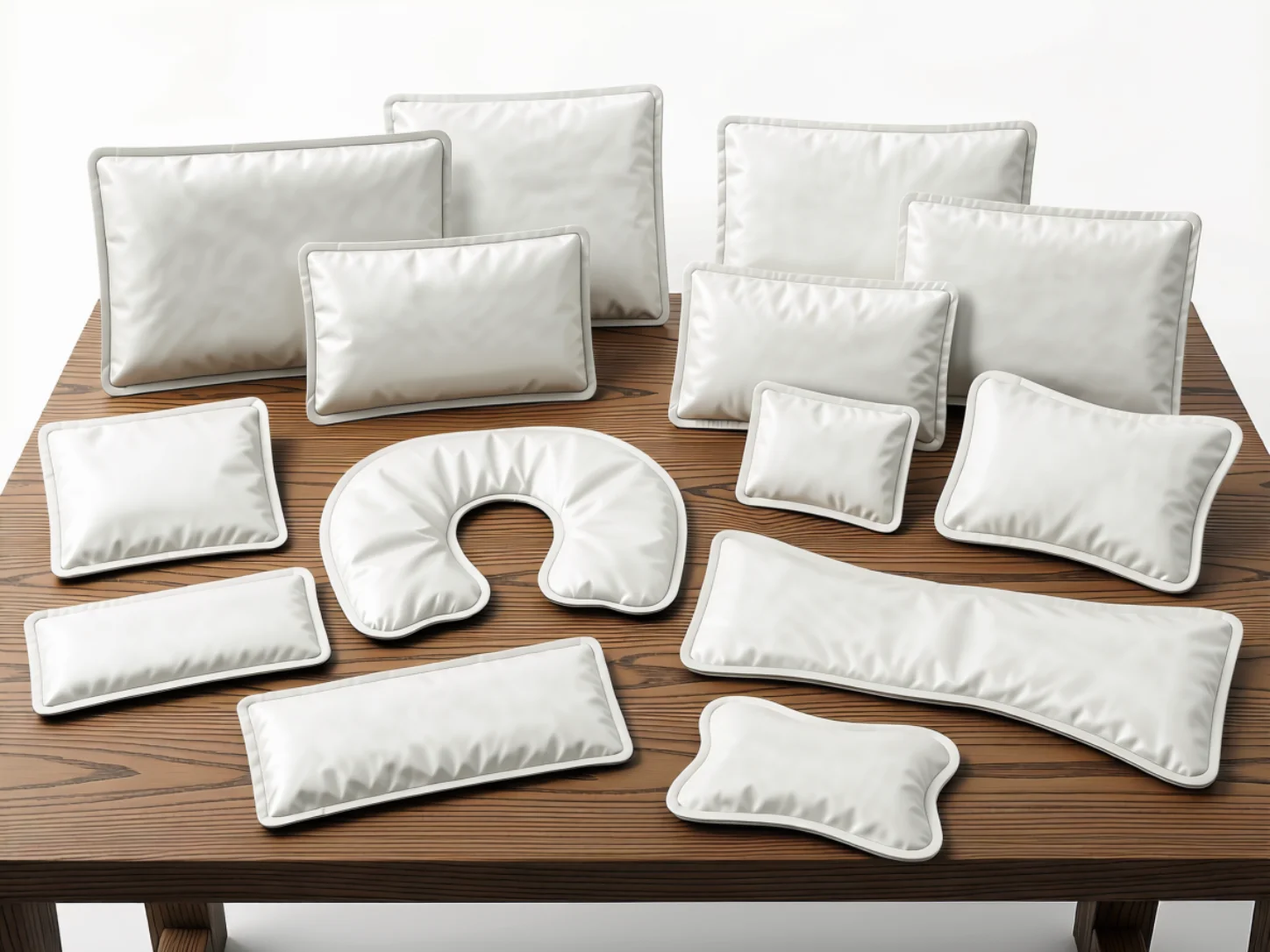
Summary: Managing the side effects of chemotherapy and surgery is a crucial part of patient care. Hot and cold therapy offers a safe, drug-free way to relieve pain, minimize swelling, and protect nerve and tissue health during treatment and recovery. From reducing the risk of chemotherapy-induced peripheral neuropathy to easing post-operative discomfort, its benefits are well-documented and meaningful. Backed by decades of experience, Rapid Aid supplies trusted, clinically tested hot and cold therapy solutions to healthcare providers and distributors worldwide.
Cancer treatment can take a lot out of a person; physically, emotionally, and even mentally. Chemotherapy, in particular, while lifesaving, comes with a mix of harsh side effects that can linger long after treatment ends. Fatigue, nausea, nerve pain, and swelling are just a few of the symptoms patients face. It’s a difficult experience, one that demands effective coping strategies focused on comfort, recovery, and ongoing support to help patients regain control and well-being.
Interestingly, hot and cold therapy has been gaining traction in oncology circles as a way to make that road a little manageable. Studies and patient experiences indicate that temperature-based therapies can play a meaningful role in easing discomfort during chemotherapy and during recovery after surgery.
Chemotherapy drugs work by attacking rapidly growing cells, which include cancer cells. However, they can also affect other fast-growing cells in the body, such as those in the scalp, skin, fingernails, toenails, and peripheral nerves in the hands and feet. According to the American Cancer Society, over 2 million new cancer cases are expected to be diagnosed in the US in 20251. About 1,000,000 of those patients receive chemotherapy. Among them, a significant number struggle with side effects that impact their quality of life.
Chemotherapy-Induced Peripheral Neuropathy (CIPN)
One of the more serious long-term side effects of chemotherapy is chemotherapy-induced peripheral neuropathy, or CIPN. Research shows that 30 to 40% of people receiving chemotherapy will experience some degree of CIPN2. Chemotherapy drugs can damage the nerve endings responsible for sensation and movement, leading to symptoms like:
- Tingling or numbness in the hands and feet
- Burning or sharp pain
- Heightened sensitivity to touch
- Problems with balance or walking
- Trouble gripping or using small objects
For some, these symptoms fade over time. For others, they can be long-term and profoundly limiting. That’s why researchers and clinicians have been exploring ways to protect nerves before damage occurs, and one approach that’s showing promise is cryotherapy.
How Cryotherapy Works
The theory behind cold therapy is that when cold is applied to the hands and feet, it triggers constriction of the small blood vessels, or capillaries, in these areas. By narrowing the vessels, blood flow is temporarily reduced, reducing the amount of chemotherapy reaching the peripheral nerves. This decrease in drug exposure helps protect the nerve endings from damage, thereby reducing the likelihood and severity of chemotherapy-induced neuropathy.
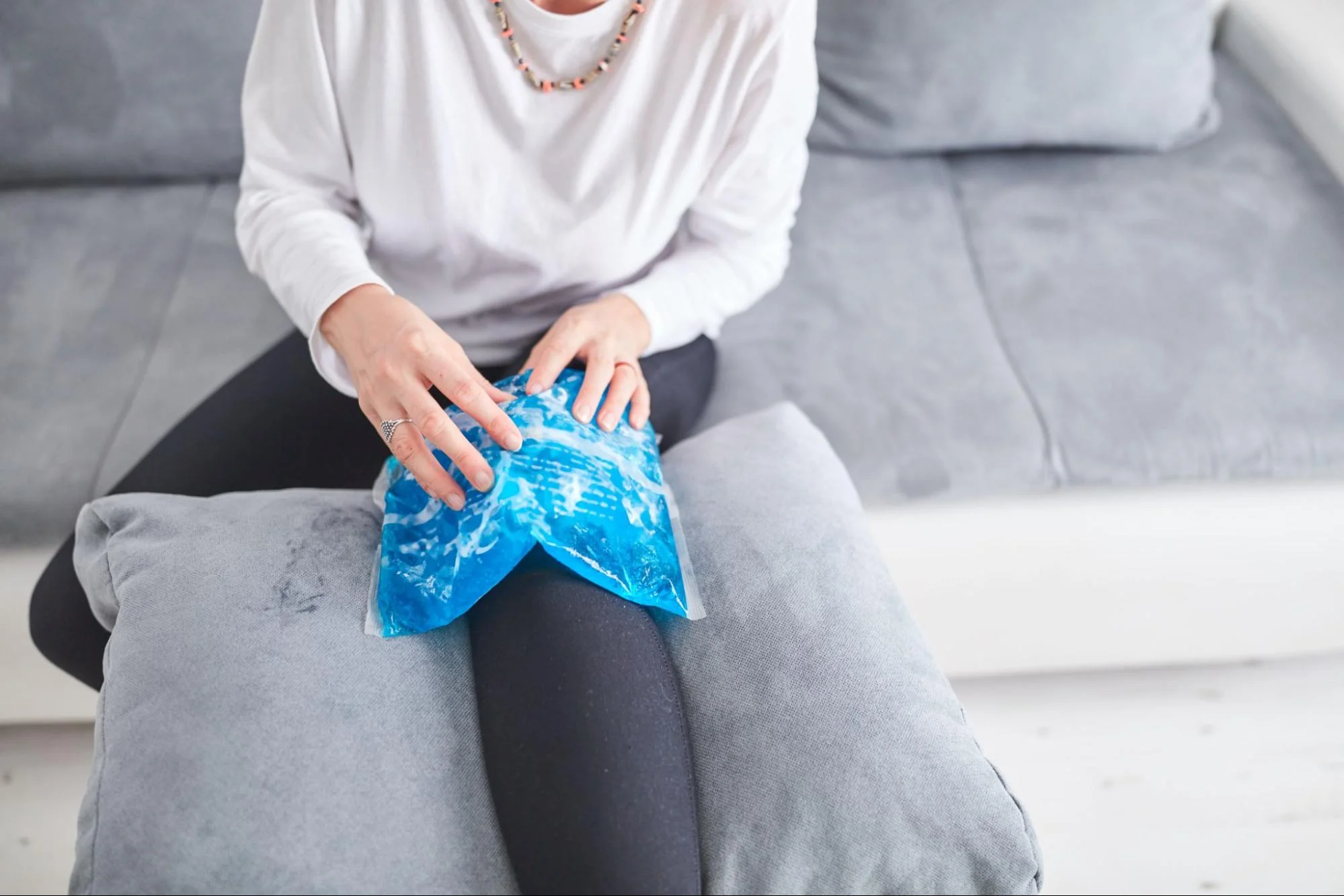
Cryotherapy (or cold therapy) involves applying cold packs, cold compresses, or gel mittens/socks to the hands and feet during chemotherapy. Patients typically begin about 15 minutes before their infusion starts and continue until 15 minutes after it ends. To keep the temperature consistent, the gloves or packs are swapped out every 45 minutes during treatment.
Several clinical studies3 have shown that patients who used cryotherapy during chemotherapy with taxane-based drugs, such as paclitaxel, or platinum-based drugs, such as carboplatin, were less likely to develop CIPN. In cases where neuropathy did occur, the symptoms were generally milder compared to those in patients who did not use cryotherapy.
Other Benefits of Cold Therapy During Chemotherapy
A bonus of cold therapy is that it may help protect against nail and hair damage, another frustrating side effect of chemotherapy. Cooling the scalp or extremities during treatment reduces blood flow and inflammation around hair follicles and nail beds, which lowers the risk of these chemotherapy-related reactions. There’s also evidence that cold therapy can reduce skin-related side effects such as redness, swelling, or blistering. Patients who use cooling gloves, in particular, have reported fewer instances of skin irritation and pain.
Cryotherapy may also support optimal chemotherapy delivery by preventing dose delays or reductions and inhibiting deterioration in quality of life in cancer patients during and after treatment. Learn more about our range of popular chemotherapy relief options.
Hot and Cold Therapy in Post-Operative Recovery
For patients undergoing cancer-related surgeries such as tumor removals, mastectomies, or reconstructive procedures, post-operative pain is another major concern. Swelling, stiffness, and tenderness can make even slight movements uncomfortable.
The use of hot and cold therapy when combined with proper post-surgical care is an effective way to manage pain, reduce swelling, and support healing.
- Cold therapy helps reduce swelling and inflammation in the immediate days after surgery. It numbs the area naturally, making recovery more manageable by reducing discomfort.
- Heat therapy, introduced later in the recovery process, helps loosen stiff muscles, boost blood circulation, and support tissue repair. Increased blood flow brings oxygen and nutrients to the affected area, providing the body with what it needs to heal.
A Few Things to Keep in Mind
Of course, even the safest therapies come with a few caveats. Temperature-based treatments should always be used with caution, especially for patients whose skin or circulation may already be compromised by cancer or its treatments.
Here are a few key precautions to share with patients or care teams:
- Always consult the oncologist or care provider before starting any hot or cold therapy routine. They can provide guidance and ensure the therapy aligns with the overall treatment plan.
- Avoid applying cold or heat directly to the skin. Use a barrier, such as a cloth or a specialized wrap/pack, to prevent frostbite or burns.
- Neither therapy should be used on areas with poor circulation, open wounds, or infection.
- For heat therapy, ensure the pack is warm, not hot, to prevent burns or irritation.
- If discomfort, numbness, or changes in skin color occur, stop immediately and seek medical advice.
Partner with Rapid Aid for Quality Comfort Care Solutions
We understand that comfort care is an essential part of cancer treatment and recovery. Our hot and cold therapy solutions are designed to support healthcare providers in delivering safe, effective, and reliable temperature therapy to patients undergoing chemotherapy or post-operative care.
With decades of experience in private label and OEM manufacturing, we work closely with medical distributors, hospitals, and major retailers to develop products that meet clinical standards while remaining practical and easy to use. If your organization is looking to expand its range of clinically backed, drug-free pain relief solutions, we invite you to contact us for further information and a custom quote.
Frequently Asked Questions
Chemotherapy drugs can damage nerves outside the brain and spinal cord, leading to numbness, tingling, or burning sensations in the hands and feet. This occurs because certain drugs, especially taxane- and platinum-based agents, interfere with normal nerve signaling.
While there is no guaranteed prevention method, interventions such as cryotherapy (cold therapy) and exercise may help reduce risk and severity. Some medications can also help manage symptoms once they appear.
Cold therapy can reduce the incidence and severity of CIPN, minimize nail, hair, and skin damage, ease muscle cramps, and support overall comfort during treatment. It may also help patients complete chemotherapy without dose delays or reductions.
Supportive care may include physical therapy, occupational therapy, nutritional counseling, pain management, and emotional or psychological support. These therapies help improve well-being during and after cancer treatment.
Rapid Aid designs and manufactures medical-grade hot and cold therapy products that help healthcare providers deliver effective, evidence-based comfort care to patients undergoing chemotherapy and recovery.
Yes. All Rapid Aid products are designed and manufactured under strict quality control standards to ensure patient safety. Each item is tested for consistent temperature performance, durability, and compliance with healthcare regulations. Read more about our commitment to safety and quality.